Editor’s Note
As the diamond market contends with the rise of lab-grown alternatives, a shift toward individuality is fueling a surge in demand for colored gemstones. This analysis explores the factors driving this trend and its projected growth through the decade.
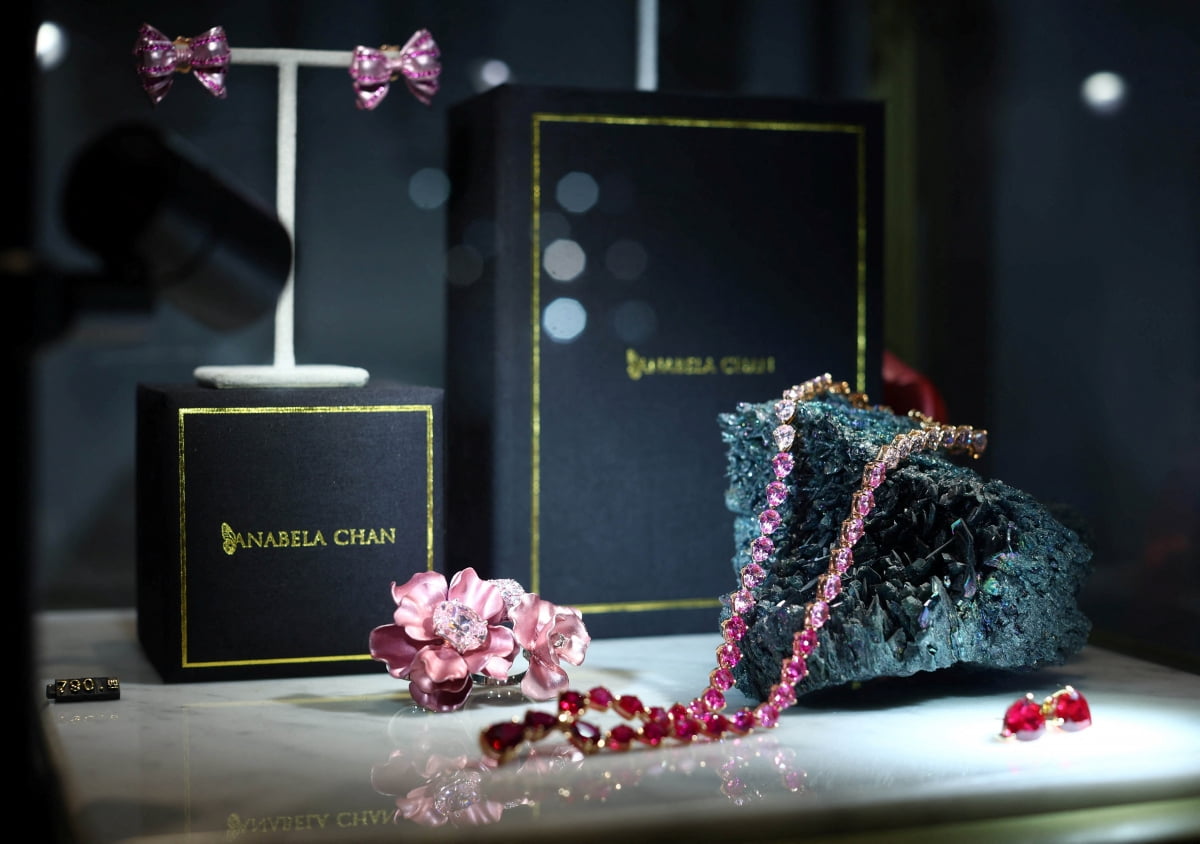
Amidst the diamond industry’s struggle due to the increasing supply of lab-grown diamonds, analysis suggests the colored gemstone market, which caters to consumer individuality, is heating up.
The Financial Times (FT) reported on the 18th (local time), “Executives in the mining and retail sectors forecast that demand for colored gemstones will continue to grow until 2030, driven by increasing consumer preference for unique and customized jewelry, as well as a rise in reliable and responsible suppliers.” Notably, it was pointed out that colored gemstones are emerging as an alternative to diamonds, with celebrities like Kate Middleton, the Princess of Wales, increasing their use of rubies, emeralds, and sapphires.
Ankur Daga, CEO of online jewelry retailer Angara, stated:
He emphasized, “Even people who thought of diamonds as an asset are starting to invest in colored gemstones.” This is explained by the fact that the value of diamonds is diminishing due to the surge in production of lab-grown diamonds, causing them to lose their properties as an inflation hedge or store of value.
Colored gemstones do not have a benchmark price due to the uniqueness of each rough stone. However, FT reported, “Colored gemstones are bucking the downward trend in diamond prices due to surging demand, with their prices holding firm in the global market.”
Gemfields, the world’s largest colored gemstone mining company, recently tripled production at its emerald mine in Zambia to over 30 million carats annually to meet the surge in global demand. Gemfields stated, “Sales from this asset are projected to reach $90 million in 2023, an eightfold increase from the previous year.”

At an auction held by Gemfields in Bangkok, Thailand, last December, ruby sales totaled $69.5 million, a slight increase from 2022. Notably, the average value per carat of rubies soared from $154 a year ago to $290.
CEO Ankur Daga said:
Sean Gilbertson, CEO of Gemfields, stated:

Dev Shetty, CEO of Dubai-based gemstone mining company Fura Gems, assessed, “The colored gemstone market, which was $2 billion in 2012, is expected to grow to $5 billion by 2030.” This contrasts with the natural diamond market, which has stagnated around $15 billion since 2012.