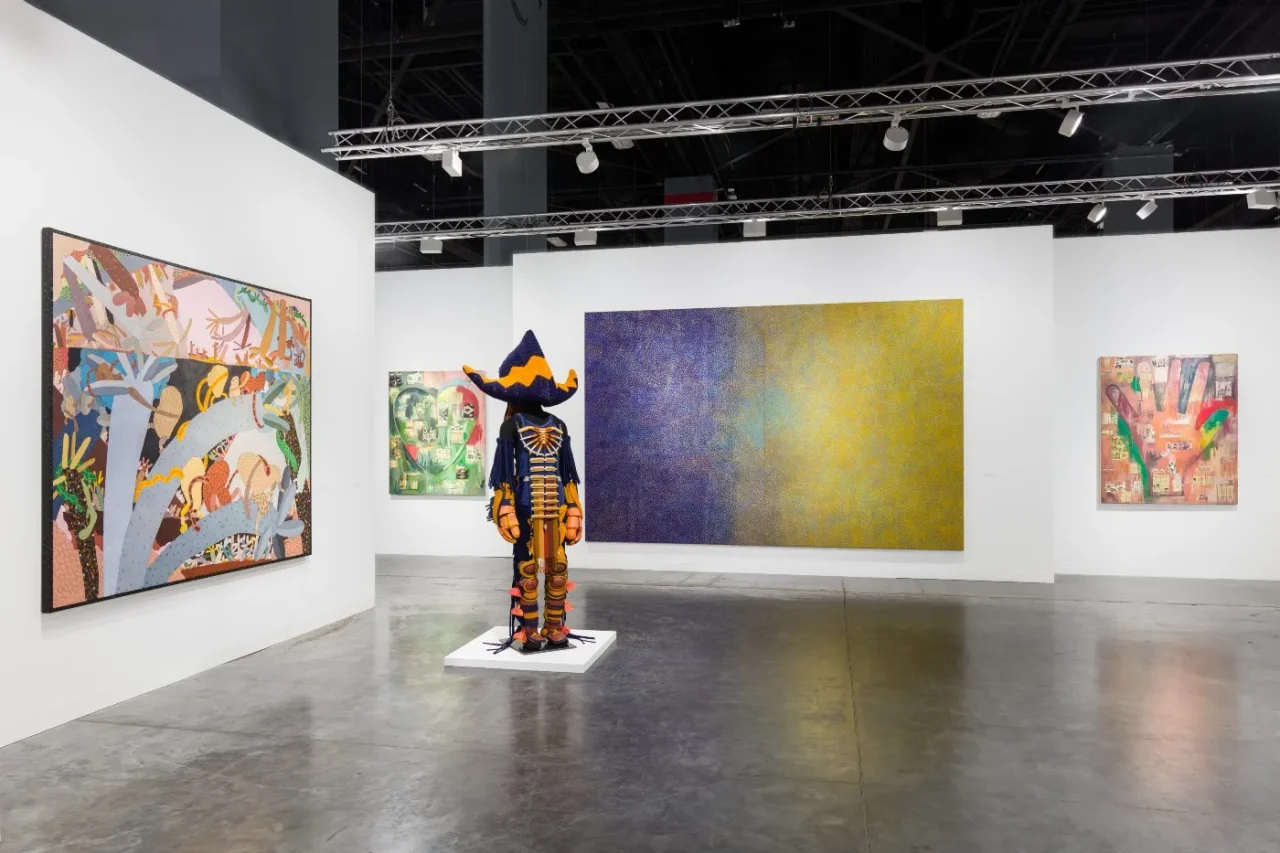
Editor’s Note
This article explores the significant rise of Indigenous art in 2024, examining the key events and forces driving this long-overdue recognition. We spoke with experts to understand both the momentum behind this shift and what the future may hold for these artists and their work.
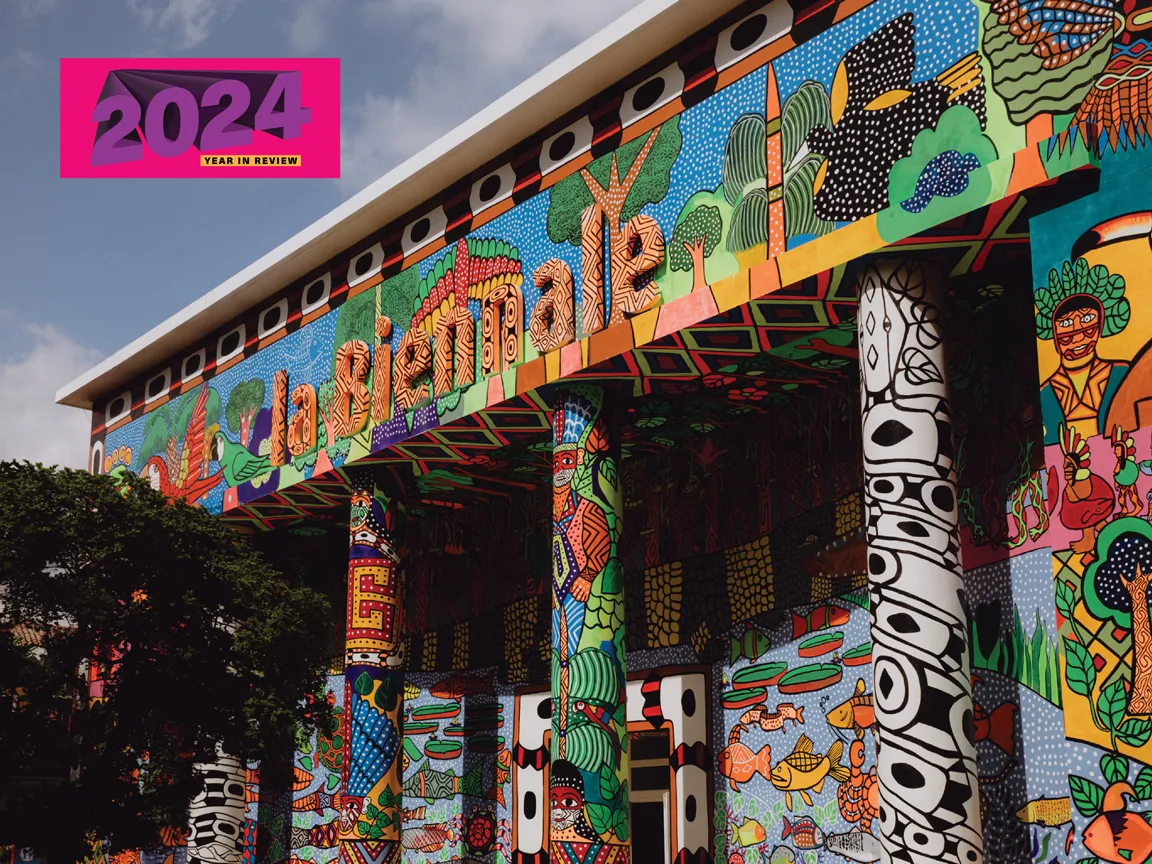
In the art world of 2024, movements to shine a light on artists who have long been marginalized accelerated. The rise of Indigenous art was one such development. We interviewed stakeholders about the factors that propelled this advancement, including this year’s Venice Biennale, and the outlook for the future.
Early this year, predictions from art professionals for 2024 notably included that Indigenous art would gain attention. This prediction was soon proven correct. The major auction house Phillips held its first exhibition and sale focused on contemporary Indigenous artists, “New Terrains,” at its New York headquarters in January. Later that month, the list of artists for the main exhibition of the 60th Venice Biennale, themed “Foreigners Everywhere,” was announced, featuring a significant number of Indigenous artists.
Looking back on the year, the rise of Indigenous artists was markedly evident in museums, auction houses, and galleries. Jeffrey Gibson (Mississippi Band of Choctaw Indians/Cherokee), who represented the United States at this year’s Venice Biennale, announced his representation by mega-gallery Hauser & Wirth in October. Diné painter Jaune Quick-to-See Smith, featured in the Biennale’s main exhibition, saw her work sell at Phillips for nearly 10 times its high estimate at approximately $177,800, setting a new auction record for herself. Furthermore, a retrospective of Aboriginal artist the late Emily Kame Kngwarreye toured Australia, and her work is now handled by mega-gallery Pace.
While it’s certain that Indigenous work is receiving unprecedented mainstream attention, some dealers, art advisors, and auction house executives say the extent of this boom’s impact on the market remains unknown. Simultaneously, many stakeholders cite the influence of the Venice Biennale as significant in the global rise of Indigenous artists. Mary Sabbatino, Vice President and Partner at Galerie Lelong & Co., mentioned Biennale director Adriano Pedrosa:
Artist Nicholas Galanin (Tlingit/Unangax̂) says that given the quality of Indigenous art presented at the Biennale, wider recognition was inevitable.
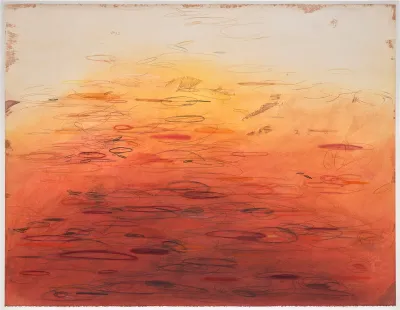
Despite significantly increased attention on Indigenous artists, collector interest varies by work, mirroring broader art market trends this year. For instance, while Jaune Quick-to-See Smith and Kent Monkman (Cree) set auction records at Phillips in May, a sculpture by Jeffrey Gibson, “Always After Now” (2014), offered in Sotheby’s evening sale the same month, failed to sell.
Phillips reported increased interest and appraisal inquiries for Indigenous artists following its January “New Terrains” show and sales of Monkman’s work via its e-commerce platform DropShop. However, according to Miety Heiden, Phillips’ Deputy Chairman and Head of Private Sales, offers for consignment of top-tier works in this category were fewer than expected. Heiden speculates on the reason:
Another key factor influencing future demand is the subject matter of the works, which carries complexity. Indigenous artists have often directly addressed issues like land rights, colonialism, and racism, primarily through conceptual approaches. Thomas Stauffer, art advisor and gallerist at Zurich-based Gerber & Stauffer Fine Arts, notes:
Gallerist Garth Greenan, who represents many Indigenous artists, isn’t surprised that private sales and auction consignments of Indigenous art at Phillips didn’t surge after “New Terrains.”
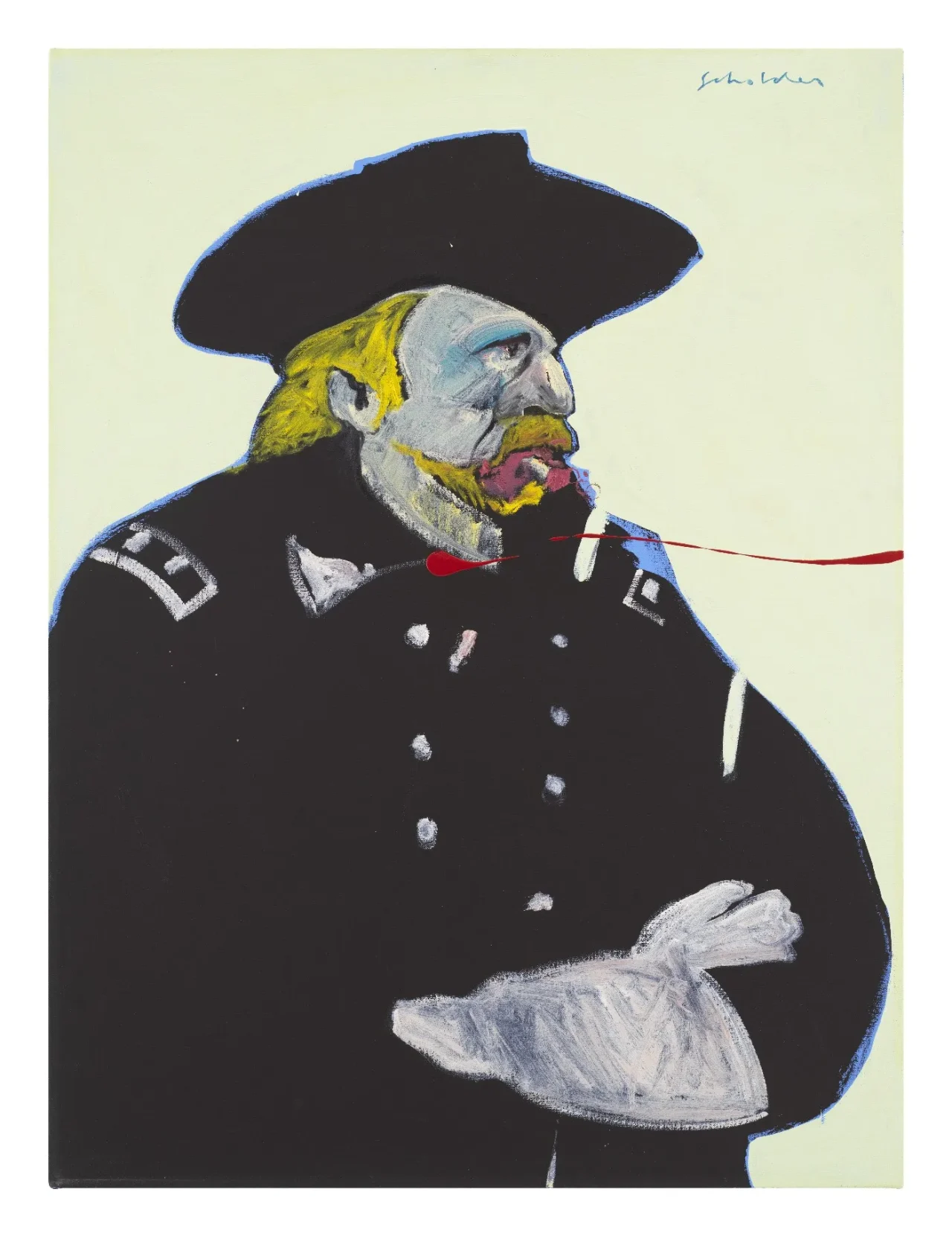
On the other hand, several other stakeholders interviewed echoed Heiden’s observation of growing demand for mid-career and deceased artists. Zach Feuer, co-founder of the Forge Project and director of the Gochman Family Collection, commented on market trends:
Artist Tony Abeyta (Diné), one of three co-curators of Phillips’ “New Terrains,” said several works sold after the show, some artists received commissions because of it, and others signed with galleries.
Greenan also revealed that museum interest in artists he represents has increased notably.
He added that sales to private collectors looking to fill gaps in their collections of American and contemporary art are also strong.
It takes a long time for artists other than white heterosexual males to be accepted and included in museums, galleries, and art history textbooks. The struggle for Indigenous artists continues, and many are aware of the difficulties. Filmmaker, artist, and curator Dana Claxton (Wood Mountain Lakota) said: