Editor’s Note
Morocco is implementing stricter regulations for its precious metals sector, prioritizing traceability to combat fraud and boost the industry’s integrity. This article examines the new measures targeting refiners and their potential impact.
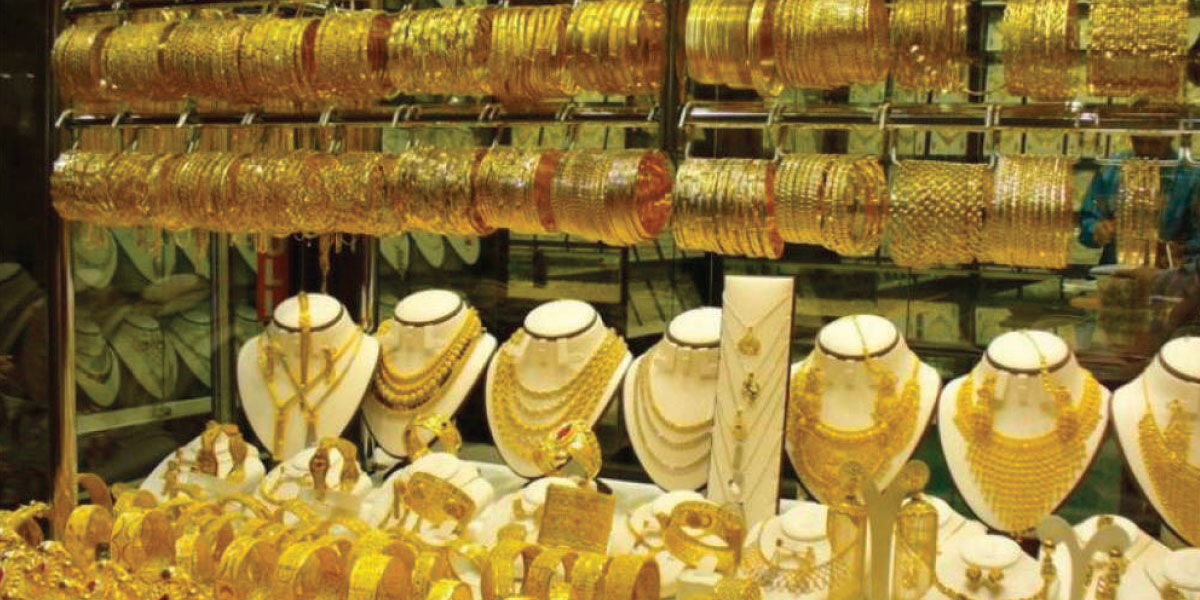
To combat fraud and enhance the value of this key sector, Morocco is set to tighten regulations through a reinforced regulatory framework targeting the jewelry sector, with traceability as the top priority. The focus is on precious metal refiners.
The lack of traceability causes numerous problems for this industry. On one hand, it facilitates fraud through the use of non-compliant metals or metals of dubious origin for money laundering. Indeed, without traceability, it is easier to introduce metals that do not meet standards (suspicious alloys, less precious metals) or metals of dubious or even illegal origin (money laundering). This harms the integrity and reputation of the sector.
On the other hand, it undermines consumer confidence, as buyers have no guarantee regarding the quality and origin of the jewelry they purchase.
Establishing effective end-to-end traceability is therefore a significant challenge for Morocco. This involves tracking and controlling every step, from mining extraction to sale to the final consumer, including refining, processing, and trade. Rigorous traceability would help combat fraud, protect consumers, and increase the credibility of the Moroccan industry. This rigorous traceability from upstream to downstream implies robust systems of identification, documentation, verification, and certification at every link. Regular audits by independent bodies are essential.
Some countries or companies have already implemented exemplary traceability systems in the minerals and precious metals sector. Among concrete examples, one can cite the ECOWAS Regional Certification process.
This system, implemented by the Economic Community of West African States, allows for precise tracing of the origin of precious minerals like gold, diamonds, or other precious stones extracted in the region. Each extracted batch receives unique certificates and identifiers to guarantee its provenance throughout the supply chain. Other examples include Cartier’s blockchain traceability.
The famous jewelry house Cartier has developed a platform based on blockchain technology to ensure total traceability of its diamonds. From the mining extraction stage, each stone is cataloged and tracked with an inviolable digital identity card. The diamond’s complete journey (cutting, polishing, setting, etc.) is thus certified up to the finished product sold to the customer. Companies like De Beers, Tiffany & Co, or Chow Tai Fook are working on similar digital traceability systems for their diamonds and precious stones.
The goal is to guarantee an ethical and sustainable origin while combating the trafficking of “blood diamonds.” These exemplary systems, whether public (ECOWAS) or private (Cartier, etc.), show the way by bringing transparency and credibility to the industry. Their development allows for better regulation of the sector while reassuring consumers concerned about buying jewelry of certified origin.
Circular No. 6451/214 of April 27, 2023, from the ADII raises an essential point: the need to better frame and regulate the activities of precious metal refiners, who constitute the initial link in the supply chain. Until recently, refiners escaped most of the regulatory obligations applicable to other players like jewelry manufacturers or traders.
However, their role is strategic since they supply the noble metals (gold, silver, platinum…) that will later be transformed. By imposing on refiners the same requirements as other links, such as the official declaration of their profession and the mandatory maintenance of a register tracing their activity, their operations can be better controlled and tracked from the base. This will help limit the risks of introducing metals of dubious or non-compliant origin into the circuit.