Editor’s Note
New regulations from China’s central bank will require dealers in precious metals and gems to report large cash transactions starting in August 2025, a significant step in expanding the country’s anti-money laundering framework.
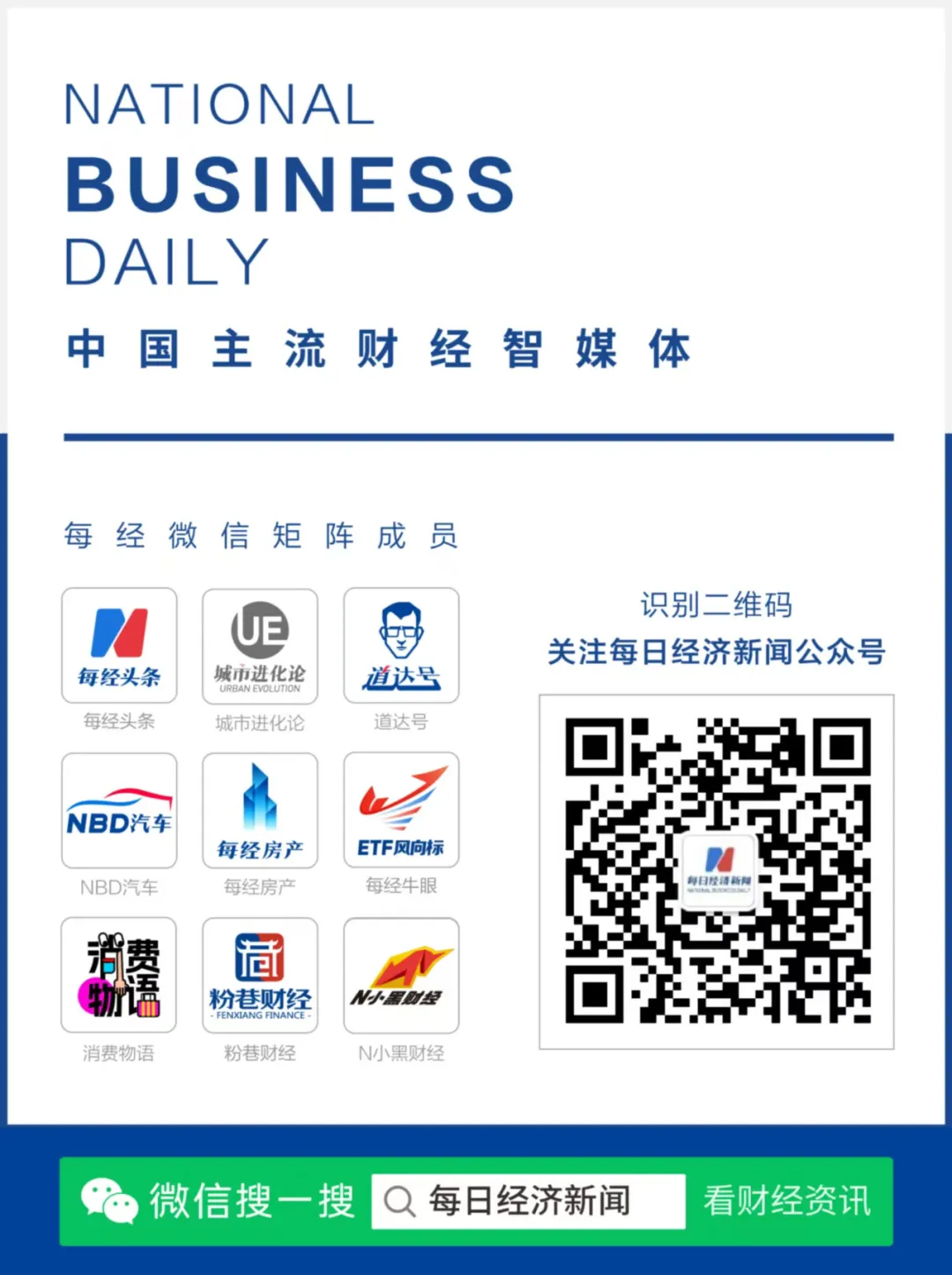
Starting August 1, 2025, cash purchases of gold, diamonds, and other precious metals or gems exceeding 100,000 yuan (or equivalent in foreign currency) must be reported to authorities. This requirement is stipulated in the “Administrative Measures for Anti-Money Laundering and Counter-Terrorist Financing for Precious Metals and Gemstone Practitioners” (hereinafter referred to as the “Measures”) recently issued by the People’s Bank of China (PBOC).
The Measures, effective from August 1, 2025, aim to establish a systematic regulatory framework to prevent money laundering and terrorist financing risks in the precious metals and gemstones trading sector. A significant change is the increase in the reporting threshold for large-value transactions from 50,000 yuan to 100,000 yuan.
The scope of regulated entities is comprehensive, covering the entire industry chain. This includes members or constituent units of organizations such as the Shanghai Gold Exchange, the China Gold Association, the China Gems & Jewelry Trade Association, and the Shanghai Diamond Exchange. The Measures define “precious metals” as gold, silver, platinum, etc., including their coins, standard bars, products, intermediate products, and refined raw materials. “Gemstones” refer to natural gems like diamonds and jade, in various forms of raw materials, jewelry, and finished products.
Practitioners are required to adhere to the “Know Your Customer” principle and conduct customer due diligence based on client characteristics, the nature of transactions, and money laundering risk profiles. Specific scenarios triggering due diligence include:
- Client’s single or daily cumulative cash transactions reaching RMB 100,000 or more (or equivalent in foreign currency).
- Having reasonable grounds to suspect a client or their transactions are involved in money laundering.
- Doubts about the authenticity, validity, or completeness of previously obtained customer identification data.
The regulatory approach adopts a risk-based strategy, with intensified measures for high-risk institutions and simplified or exempted procedures for low-risk ones. Industry self-regulatory organizations are guided to establish a ten-responsibility system covering risk assessment, self-regulation formulation, training, and publicity to prevent criminals from infiltrating practitioners through means like equity control.
Anti-money laundering oversight for precious metals is not new. The 2007 Anti-Money Laundering Law of China included “specific non-financial institutions” as obligated entities. The concept was clarified in a 2018 PBOC notice, explicitly covering precious metals traders and exchanges. The new version of the Anti-Money Laundering Law, effective January 1, 2025, redefines “specific non-financial institutions,” requiring entities like precious metals and gemstone spot traders, accounting firms, and real estate agencies to fulfill anti-money laundering obligations similar to financial institutions when conducting specific businesses.
Previously, a 2017 notice required reporting for single-day, single-batch cash transactions of 50,000 yuan or USD 10,000 equivalent. The new Measures raise this threshold to 100,000 yuan.
For identity verification, practitioners can use ID cards or other reliable, independent identity documents to identify and verify the identity of natural person clients, registering basic information such as name, contact details, valid ID number, and its validity period.