Editor’s Note
This article highlights a breakthrough from Indian scientists using 3D printing to create customizable sweets, including options for low sugar and high protein. This innovation could expand dietary choices, particularly for individuals managing conditions like diabetes.
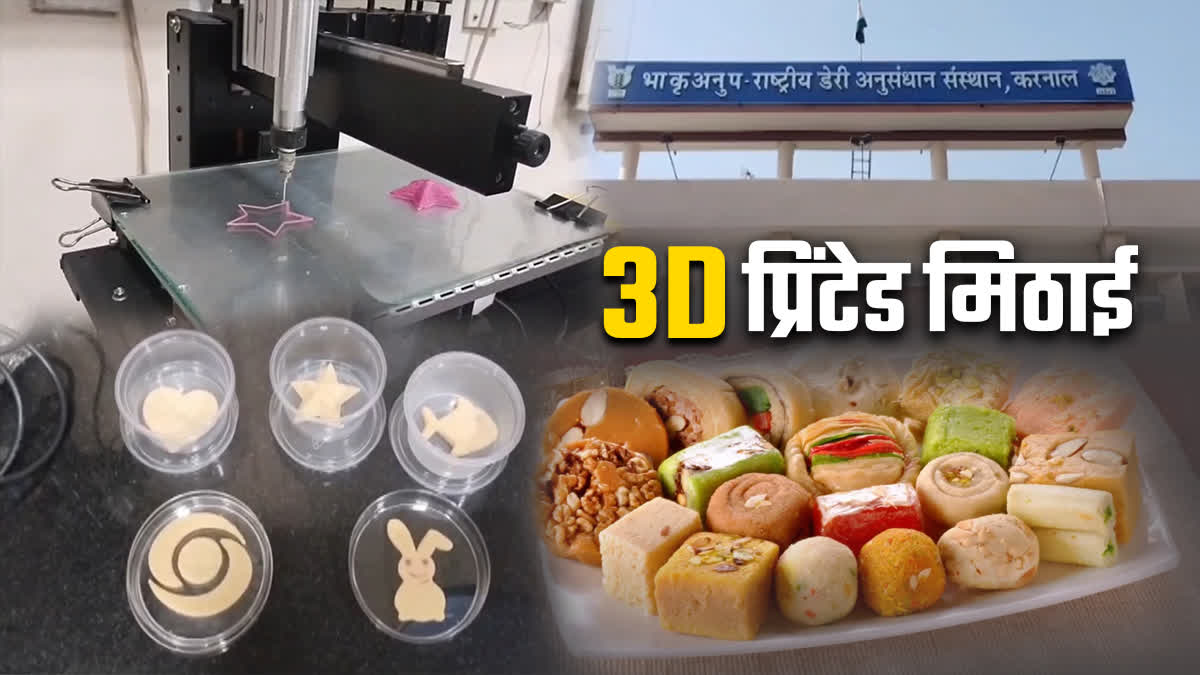
Scientists at the National Dairy Research Institute (NDRI) in Karnal, Haryana, have achieved a remarkable feat. Now, custom sweets can be made with 3D printing at just a click. Even people affected by diabetes can enjoy barfi, with options for low fat, high protein, and sugar control becoming possible through this technology.
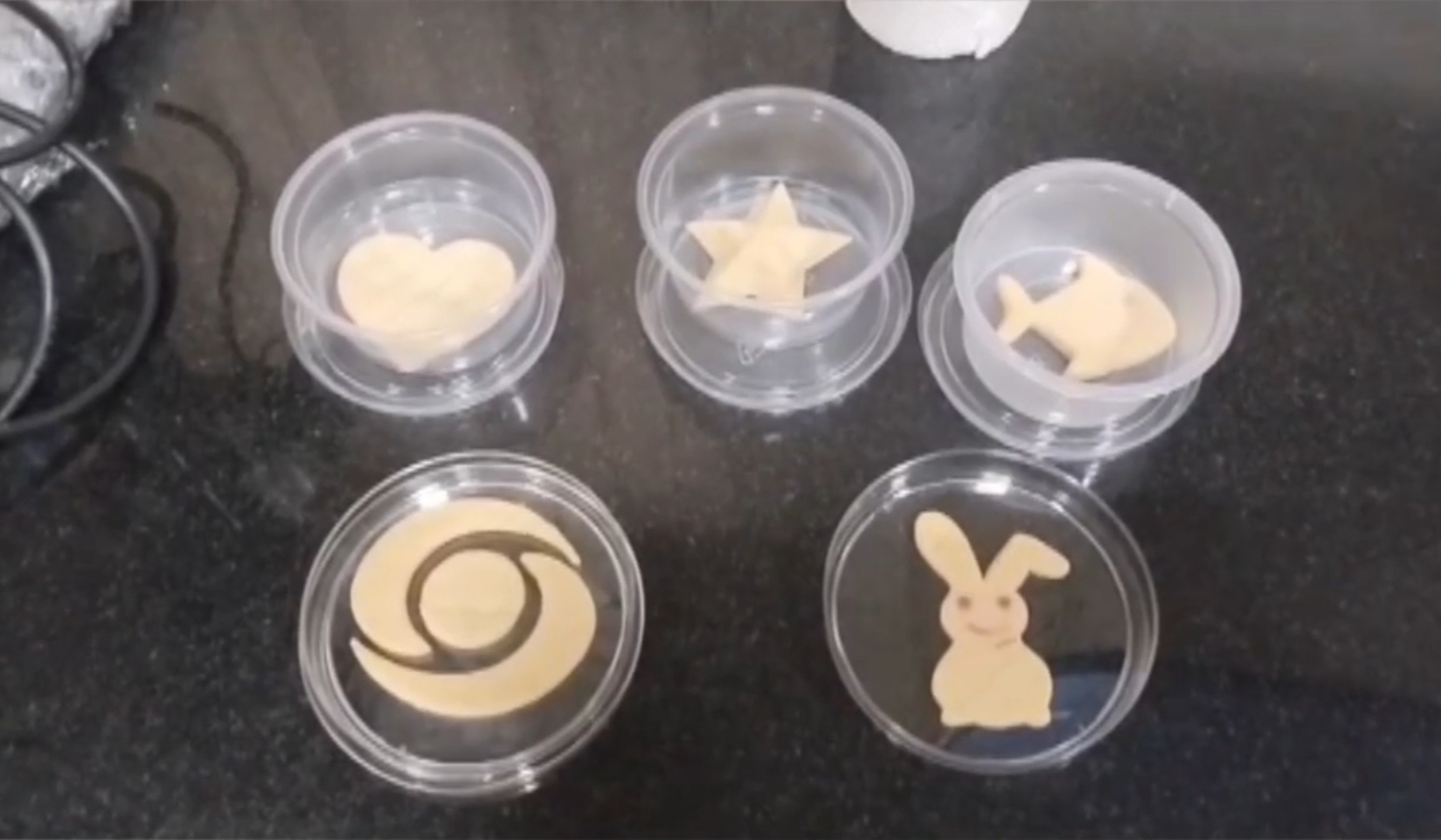
The National Dairy Research Institute (NDRI) in Karnal has pioneered a unique innovation in India, preparing traditional milk-based sweets using 3D printing technology for the first time. Barfi, which has been made by hand for years, will now be produced using modern technology. And in desired shapes, designs, colors, and flavors. While chocolates have been prepared abroad using this technology, this is the first historic initiative for Indian traditional sweets.
Through 3D technology, a food-grade paste prepared from khoa (reduced milk solids), sugar, and hydrocolloids will be filled into the printer. Flavored inks like carrot, beetroot, mango, or chocolate will also be added. From any computer, mobile, or laptop, one will need to choose—how much sugar is desired, which flavor is desired, which design is desired. Upon receiving the instructions, the 3D printer will prepare the barfi with micron-level accuracy. Completely fresh, clean, and touch-free.
– Dr. Dheer Singh, Director, NDRI, Karnal
– Dr. Kaushik Khamrui, Principal Investigator, Research Project
This technology also brings relief for those concerned about increased calories from eating barfi. NDRI scientists are researching barfi with reduced calories. By using less sugar, even people affected by diabetes can enjoy barfi. Options like low fat, high protein, and sugar control will also be possible with this technology.
With this modern technology, barfi with names, logos, and special patterns for festivals and special occasions, complex artistic shapes, and sweets with customized messages will now be entirely possible. The barfi, built layer-by-layer based on a digital blueprint, will provide designs that were impossible to create by hand.
The institute’s team is now developing printable pastes for other traditional milk-based sweets like peda and sandesh as well. This technology has opened immense possibilities for giving Indian sweets global recognition and a modern form. 3D sweet printers for home use are also being developed soon.