Editor’s Note
This article describes a recent high-value theft at the Louvre. While suspects are in custody, the stolen crown jewels remain missing.
The Heist and Its Aftermath
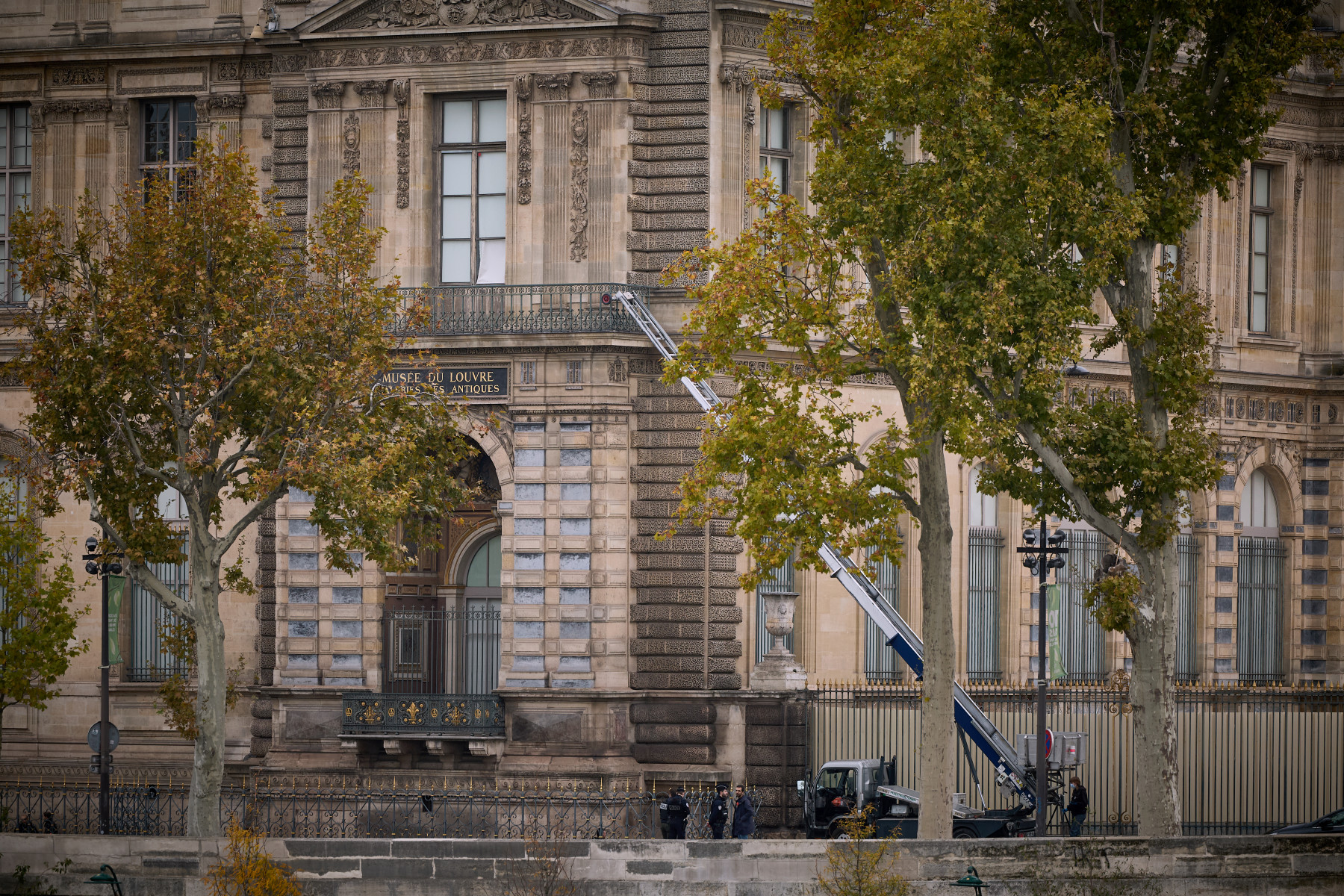
Last month, more than $100 million in jewels was stolen in broad daylight from the Louvre, France’s national museum. Investigators believe that four individuals completed the daring robbery: Two entered the museum’s Apollo Gallery and stole French crown jewels before meeting two others who waited outside on scooters for a quick getaway. While arrests have been made in connection with the theft, the stolen items have yet to be recovered.
Expert Analysis: A Story Straight from Fiction
Carlos Rivas, assistant professor of history of art and ethnic studies at The Ohio State University, said the heist was straight out of “The Da Vinci Code.”
“They’re in the heart of Paris, in a museum that everyone knows, dressed as construction workers,” he said. “They break in, walk up and break the glass, take the jewels. Then they walk out the same way they came in.”
Focus on the Emeralds and Their Colonial Origins
Rivas, who studies early modern Latin American art, is particularly interested in the theft because of the origins of the stolen jewels.
“I’m focused on the emeralds,” he said. “There is a necklace and a set of earrings that belonged to Napoleon Bonaparte’s second wife, the empress Marie Louise. Those emeralds came from mines in Colombia, in South America.”
At the time, Rivas said, Colombian emeralds were considered the highest quality in the world.
Online Discourse and the ‘Karma’ Narrative
Rivas noticed a thread of schadenfreude online as he read about the heists. He thinks it stems from changing views regarding items created through colonial projects, as is the case with the emerald mines, which were owned by the Spanish. Slave labor was a key to procuring such quality stones.
“I noticed a discourse about calling this karma,” he said. “People would say, ‘These things were stolen 300 years ago by the French monarchy, and now they’ve been stolen again.'”
Clarifying Repatriation vs. Theft
Rivas thinks this could be an oversimplification. The thieves aren’t do-gooders, he said.
“These things haven’t been returned,” he said. “We assume they were stolen for the black market. This isn’t a case of repatriation.”
“Repatriation” refers to a growing movement in the museum world that questions the ethics of institutions keeping items that were previously acquired in ways that would now be considered theft. In some cases, pieces have been returned to their country of origin.
“My understanding is that these were mined by the Spanish during colonial times, then Dutch merchants sold them in Amsterdam and then the stones were further dispersed throughout Europe, landing in the French court,” he said. “I don’t think the emeralds were stolen from Colombia. It’s more that the mines were unethical in nature.”
As far as Rivas knows, Colombia has never tried to claim the emeralds.
“It’s complicated,” he said. “Who would they be returned to today?”
The Challenge of Recovering Stolen Jewels
Repatriation in this case may be putting the cart before the horse. After all, the stolen items are still missing. The theft of jewels is part of a trend Rivas has noticed in art heists. There seems to be a growing preference for jewels and other small items made of raw materials.
“A painting, you keep intact. That’s the whole point; you won’t be cutting it into pieces. It’s easier to recover a painting,” he said. “If you have something like a crown, with all these jewels, you can strip everything and sell pieces individually. There’s no trace of it.”
Optimism and a New Vision for Display
Still, Rivas is optimistic about the jewels being found.
“I think we’ll see them again,” he said. “If the pieces hadn’t been distributed across the black market before the arrests, I think the suspects will talk. It’s possible that pieces have already been broken down, so we might not get complete items. That will be fascinating: where they ended up if they are found.”
If the crown jewels are returned in pieces, Rivas has an idea for how to display them anew.
“I like the idea of displaying them incomplete or in a re-creation that shows what was lost. The heist is part of their history now,” he said. “In the history of museums, in art history, whenever something is stolen, it’s inevitably a scandal. All eyes are focused on that story.”