Editor’s Note
This analysis reveals significant discrepancies between the promised and actual performance of a high-profile diamond production facility in Trujillo, raising critical questions about its economic and environmental footprint.
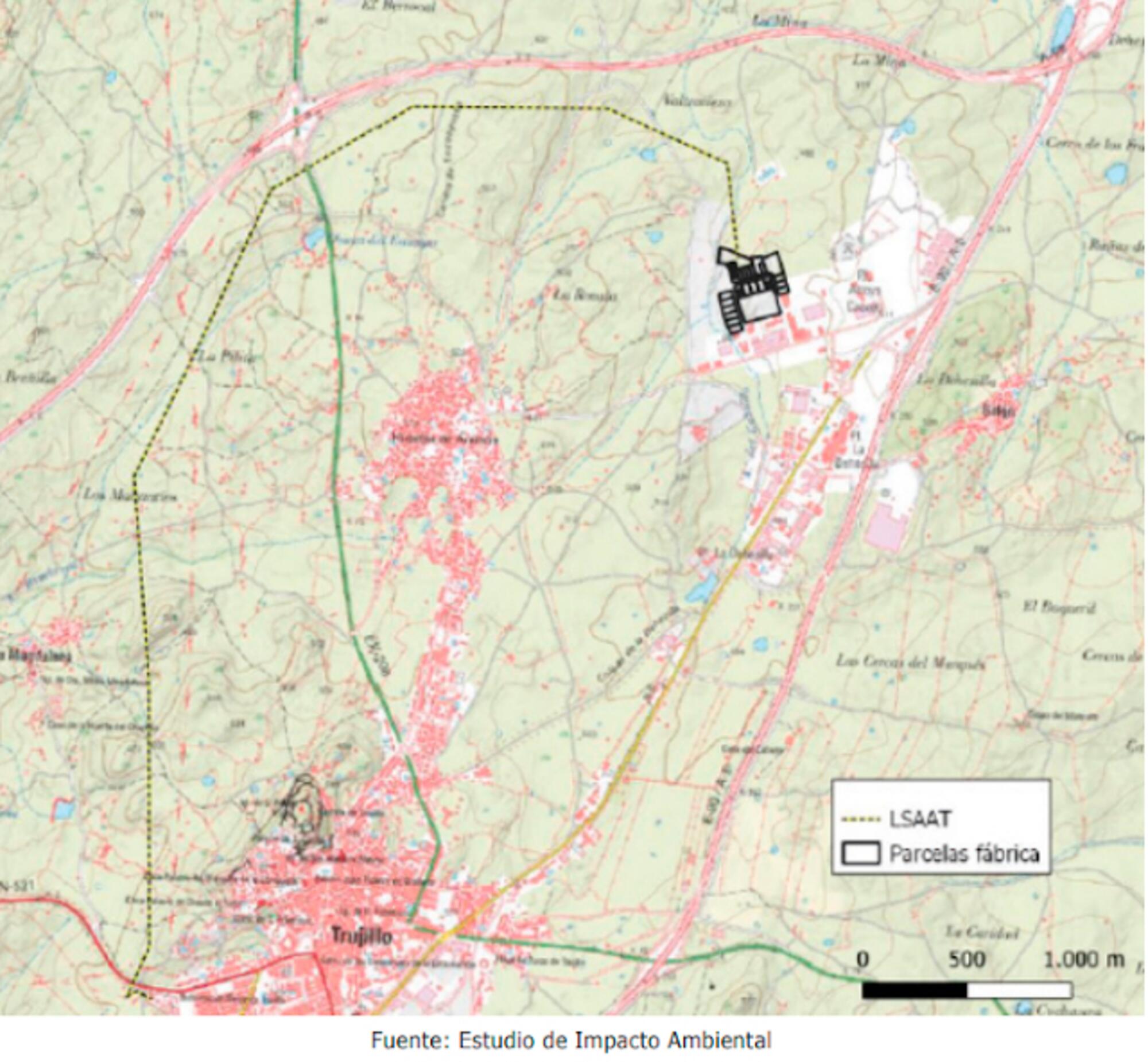
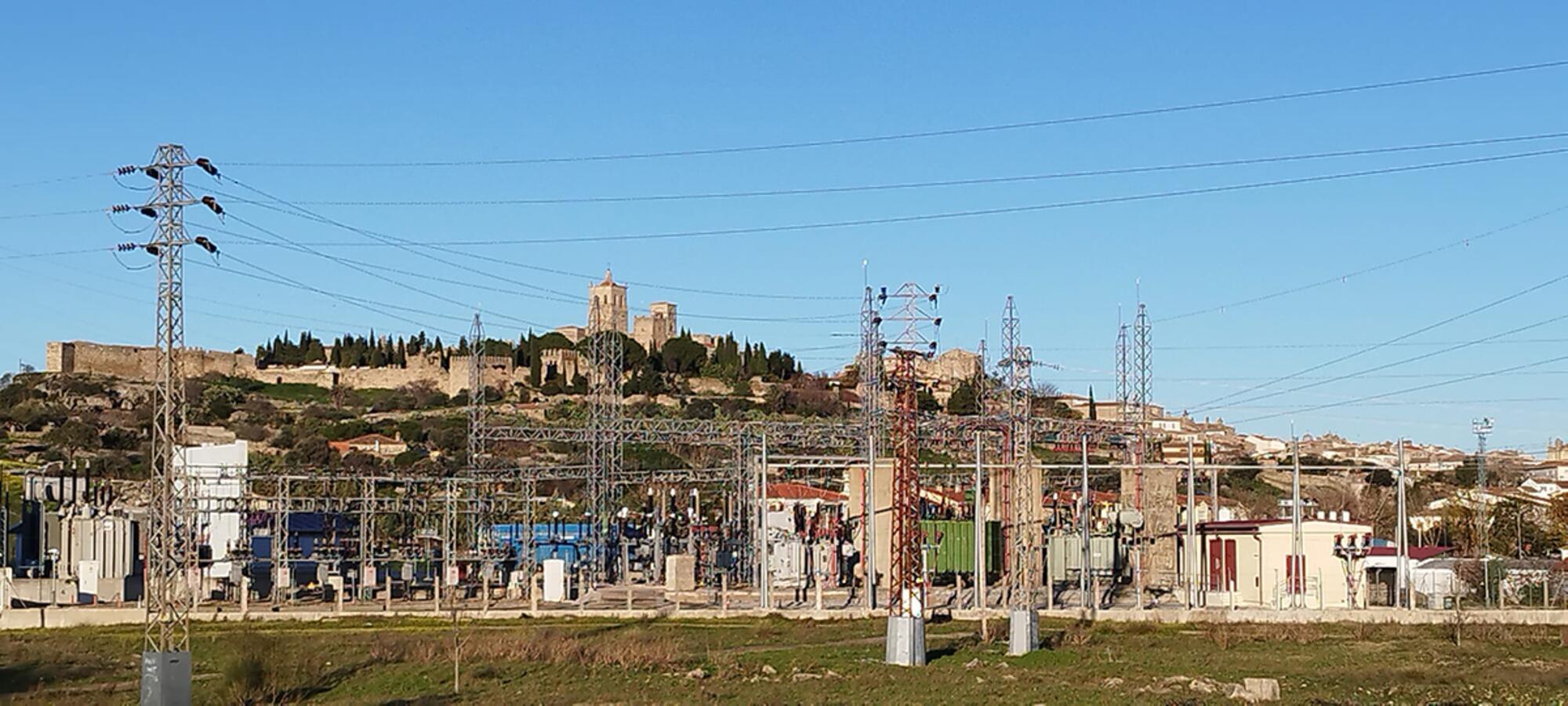
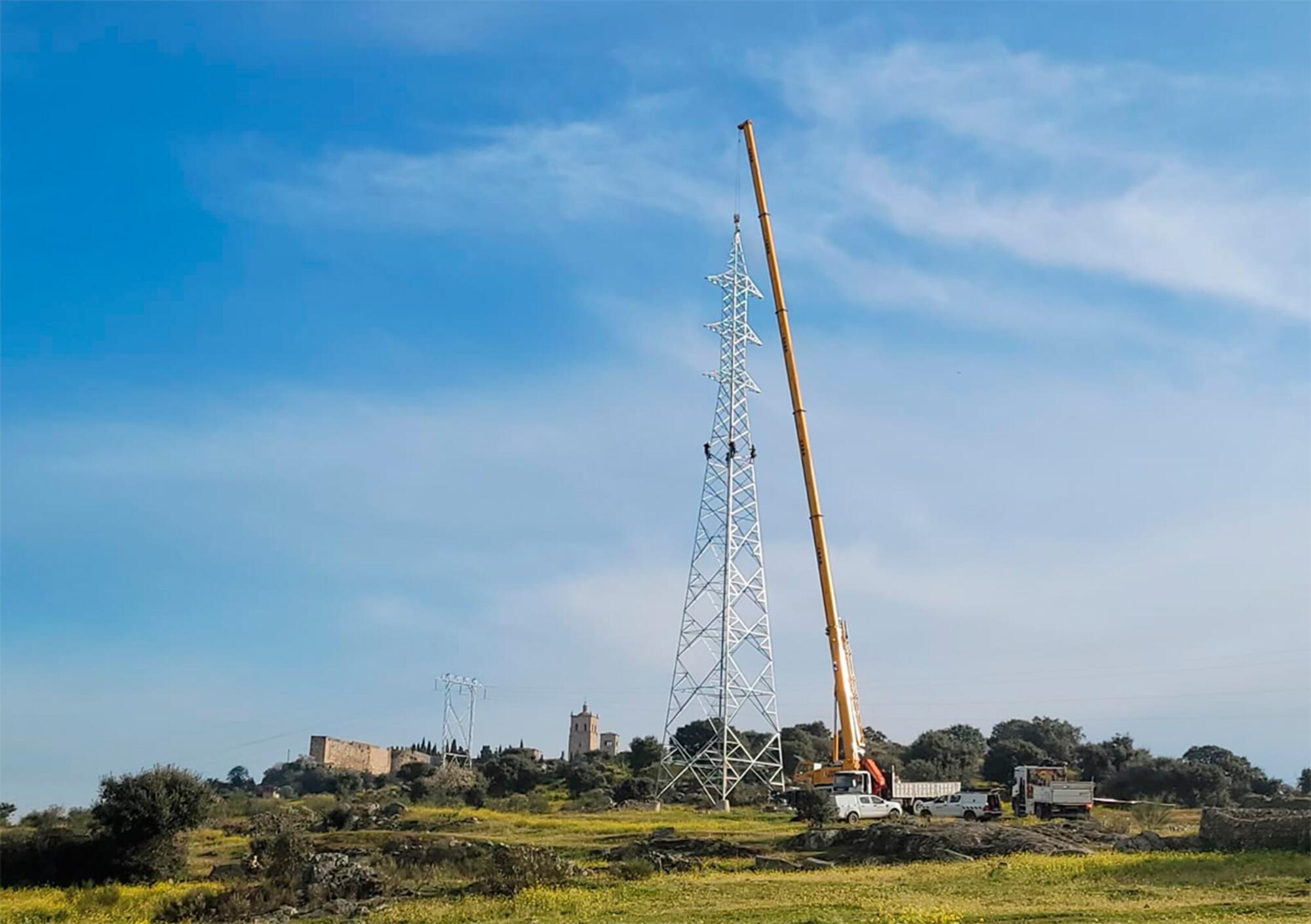
A detailed study of the diamond factory in Trujillo shows it fails to meet expectations regarding job creation or environmental impact, presenting energy and water consumption rates that far exceed those declared.
Within the map of megaprojects that Extremadura has been dealing with in recent years, it is time to analyze the diamond factory that actor Leonardo DiCaprio and his partners have launched in Trujillo through the company Diamond Foundry Europe SL (with headquarters at C/ Gustavo Fernández Balbuena 11, Madrid). According to statements from promoters and different Administrations, it is projected to create 300 direct and 700 indirect jobs.
To begin with, calling it Leonardo DiCaprio’s diamond factory is a manner of speaking. Of the 800 million euro investment for the factory, solar plant, and storage system, the company itself states it will provide 40%, with the remaining 60% coming from public and private financing through various existing European subsidies.
That is, the company will contribute around 290 million of the 800 million euros.
In November 2022, the Ministry of Industry, Commerce and Tourism granted the project an aid of 120 million euros through the Fund for Support to Productive Industrial Investment (FAIIP). At that time, the press reported the creation of 180 direct jobs, meaning 40% of the initially promised direct employment (120 jobs) had already been “misplaced,” while the company’s investment was reduced to 245 million euros.
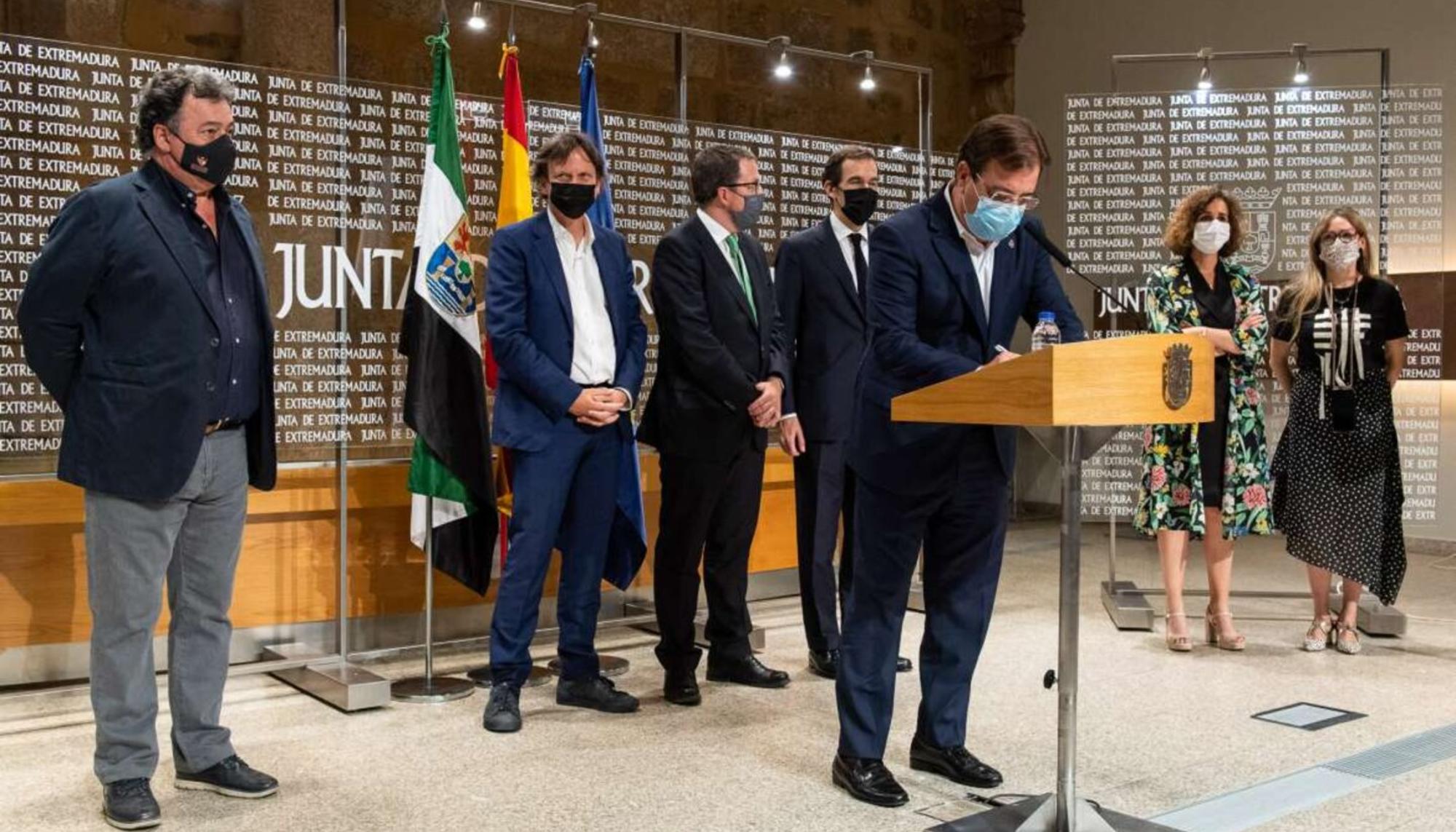
On December 17, 2024, the European Commission gave the green light for a direct subsidy from the Junta de Extremadura of 81 million euros, representing 12% of the investment considered eligible for subsidy. The funds come from Regional Incentives, were approved by the Extremaduran government in 2023, and forwarded to the European Commission through the Ministry of Finance. “Permission from Europe” was needed because it exceeded the maximum established in Article 4 of European Commission Regulation 651/2014.
It is important to mention that the initial investment estimated at 800 million euros was later revised to 740 million, and more recently to 675 million. It should not be forgotten that public subsidies are often a set percentage of the initial investment. The more inflated that initial budget is, the more aid can be received.
The promoters have detailed in the press that this initiative will also apply to receive other public aid through the PERTE (Strategic Project for Economic Recovery and Transformation) for microchips. This second edition has a first phase amounting to 110 million euros, with an application period from January 13 to 31, 2025. This will be followed by a second phase with another 90 million euros for Important Projects of Common European Interest (IPCEI).
Not to mention the hidden subsidies in the form of tax exemptions that the company will have received from both the Trujillo City Council and the Junta de Extremadura. It is customary to eliminate taxes for these projects, as happened, among others, with the 90 percent rebate on the Property Tax (IBI), the Economic Activities Tax (IAE), and the Tax on Constructions, Installations and Works that the Mérida City Council granted to the (now defunct) project for a sugar beet processing plant that was to be installed in the Extremaduran capital.
Meanwhile, we continue to compile the public aid the project is receiving. So far, public subsidies worth 201 million euros have been located (plus those yet to come), while the company says it will contribute 245. Soon (if it isn’t already), we will be going halves with DiCaprio and his partners. Because, although there has always been talk of manufacturing monocrystalline diamond wafers for creating semiconductors or microchips (and for this they have been granted certain subsidies), it is public knowledge that the first diamonds to come out of Trujillo will be sold raw, primarily for the jewelry sector. According to the specialized magazine Jeweller Magazine, a carat of these synthetic diamonds sells for around $1,500 on the market. The Trujillo plant will begin producing about 4 million carats per year, with a maximum capacity of 10 million carats annually.
Summarizing this part, the initially announced 800 million euro investment finally stands at 675 million, of which the company will contribute (if the total amount doesn’t continue to decrease) 245 million, having received (as far as is known) 201 million.
Of the 300 direct jobs promised, some newspapers estimate it will be around 180. According to the press, 30 people have already been selected.