Editor’s Note
This analysis highlights a deepening divide in the natural diamond market, where demand is increasingly concentrated at the high end while smaller stones face sustained price pressure.
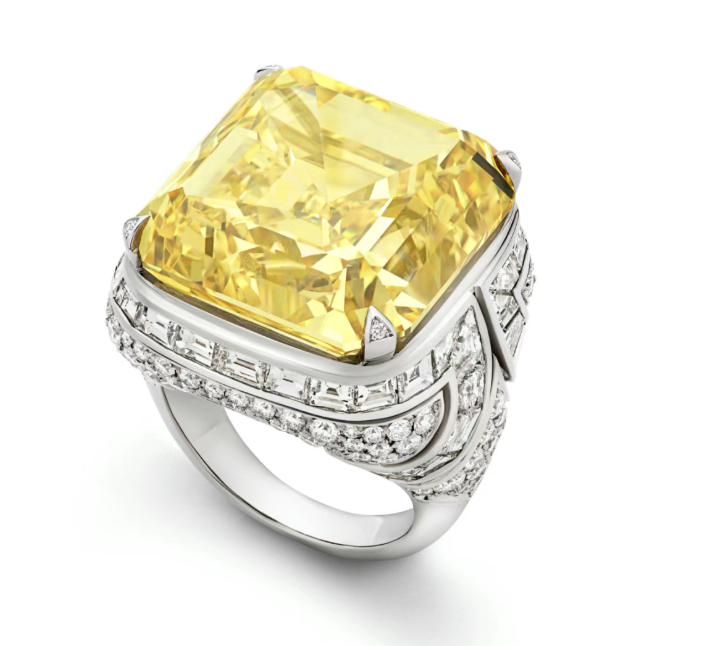
In the jewelry industry, the natural diamond market in November presented a distinct polarization trend. According to the latest report released by Rapaport, prices for small-sized natural diamond rough stones saw significant declines, continuing the downward trend of recent months. In contrast, prices for large-sized natural diamonds remained stable or even increased slightly, further focusing on the high-end market.
The RAPI price index for the four weight categories showed varied performance. Prices for natural diamonds weighing 0.30 carats, 0.50 carats, and 1.00 carats experienced further amplified declines compared to the previous month. Specifically, the 0.30-carat category dropped by 6.0%, the 0.50-carat by 5.1%, and the 1.00-carat by 2.6%. Compared to the same period last year, the performance of these three weight categories was even weaker: the 0.30-carat category fell by 11.2% year-on-year, the 0.50-carat by 20.3%, and the 1.00-carat by 8.2%. In contrast, the 3.00-carat natural diamond category, although its growth rate was smaller than last month’s, still showed positive growth. It declined by only 0.4% year-on-year, demonstrating the most stable performance.
Price fluctuations also differed among natural diamonds of varying qualities. Taking the 1-carat round diamond category with SI clarity as an example, its price index change was -1.7%, a smaller decline than the -2.6% for the IF-VS2 clarity category. This indicates that quality factors significantly influence prices within the natural diamond market.
Comparing with the IDEX price report for the same period, the composite price index for natural diamonds fell by 1.72% in November, significantly larger than the 0.48% drop in October. Weak underlying market demand and persistently high inventory levels have led to a continuous decline in overall prices. Compared to the peak in March 2022, natural diamond prices by the end of November had fallen by 45%, indicating a severe market situation.
Looking at different segments of the industry chain, upstream, De Beers Group maintained stable rough diamond prices at its sight and allowed clients full flexibility to refuse allocations, bringing a degree of stability to the market. Midstream, activity in India’s diamond processing industry slowed down, with rough diamond import value plummeting by 45% in October, reflecting the current market downturn. However, there are bright spots in the downstream market. Rapaport believes the US market is stable and the Indian market is active.
Regarding market information, the importance of diamond traceability is becoming increasingly prominent. News continues about African countries vying for equity in De Beers, with Namibia also expressing interest in acquiring a minority stake. Among polished diamonds shipped from India to the US, natural diamonds are now less commonly seen in categories below 2 carats. Although demand for diamonds in the Chinese market remains low, overall jewelry sales have shown signs of stabilization. However, jewelry demand and diamond demand are relatively independent; changes in the jewelry market do not directly equate to increases or decreases in diamond demand.
In this complex and volatile market environment, the high-end value of natural diamonds is becoming more prominent. Large-sized, high-quality natural diamonds, with their scarcity and unique charm, have become favorites in the high-end market. For consumers seeking ultimate quality and unique experiences, natural diamonds remain an irreplaceable choice. In the future, the natural diamond market will continue to advance amidst divergence, with the potential of the high-end market worthy of anticipation.