Editor’s Note
This article highlights a pivotal shift in the luxury goods sector, as outlined in a recent McKinsey report. It examines the key challenges—from macroeconomic pressures to shifting consumer behavior—that are defining a new era of slower growth for the industry.
In January of this year, McKinsey & Company released a research report titled “The State of Luxury: How to navigate a slowdown,” which pointed out that as of 2024, the luxury goods industry has entered a period of headwinds. High macroeconomic uncertainty, particularly the slowdown in growth in the Chinese market; price increases hitting a ceiling; the consequent reduction in spending by aspirational consumers; and overexposure and rapid expansion of brands leading to diminished exclusivity, along with core luxury consumers shifting towards experiences, have all contributed to a decline in market demand.
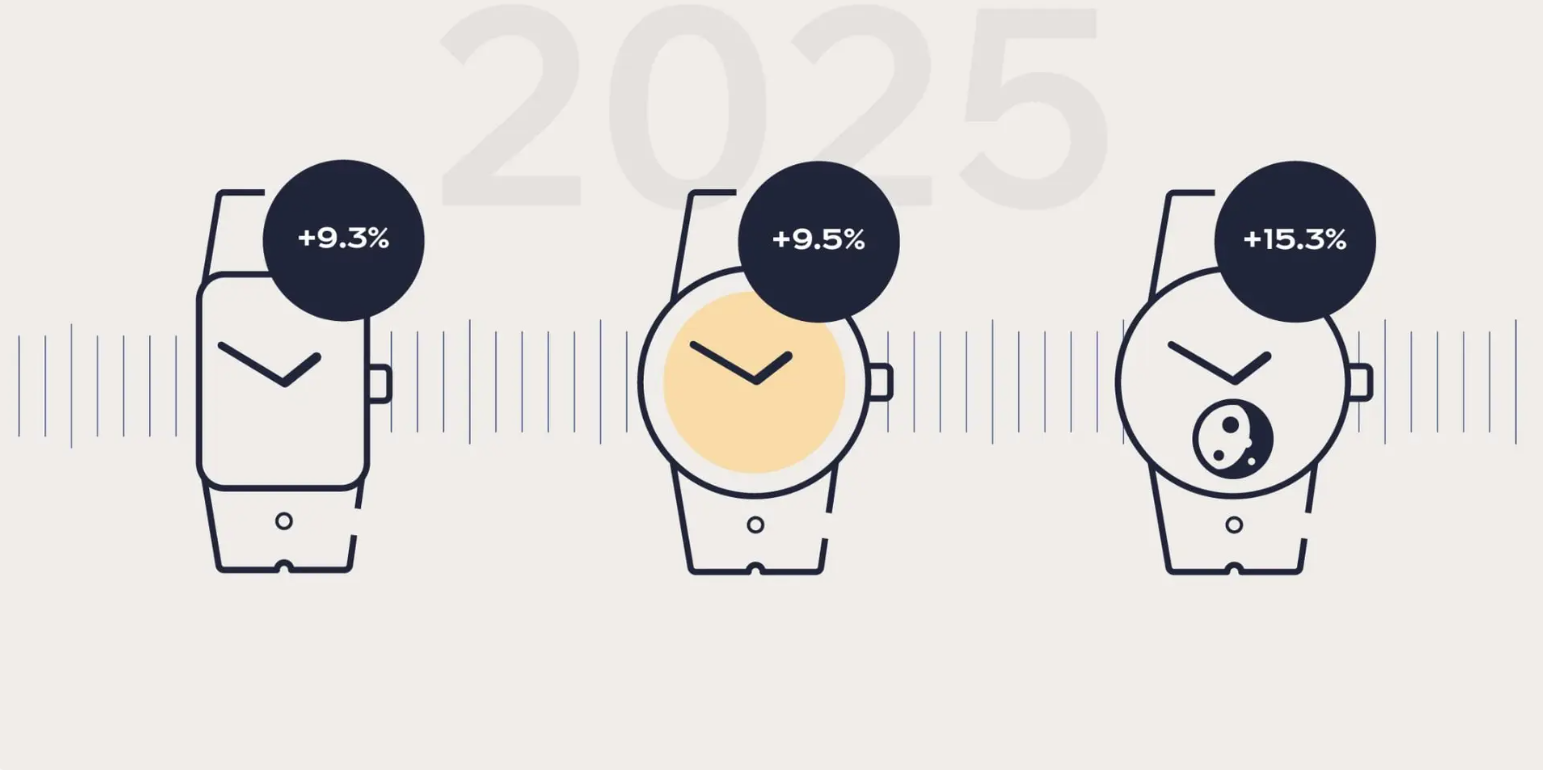
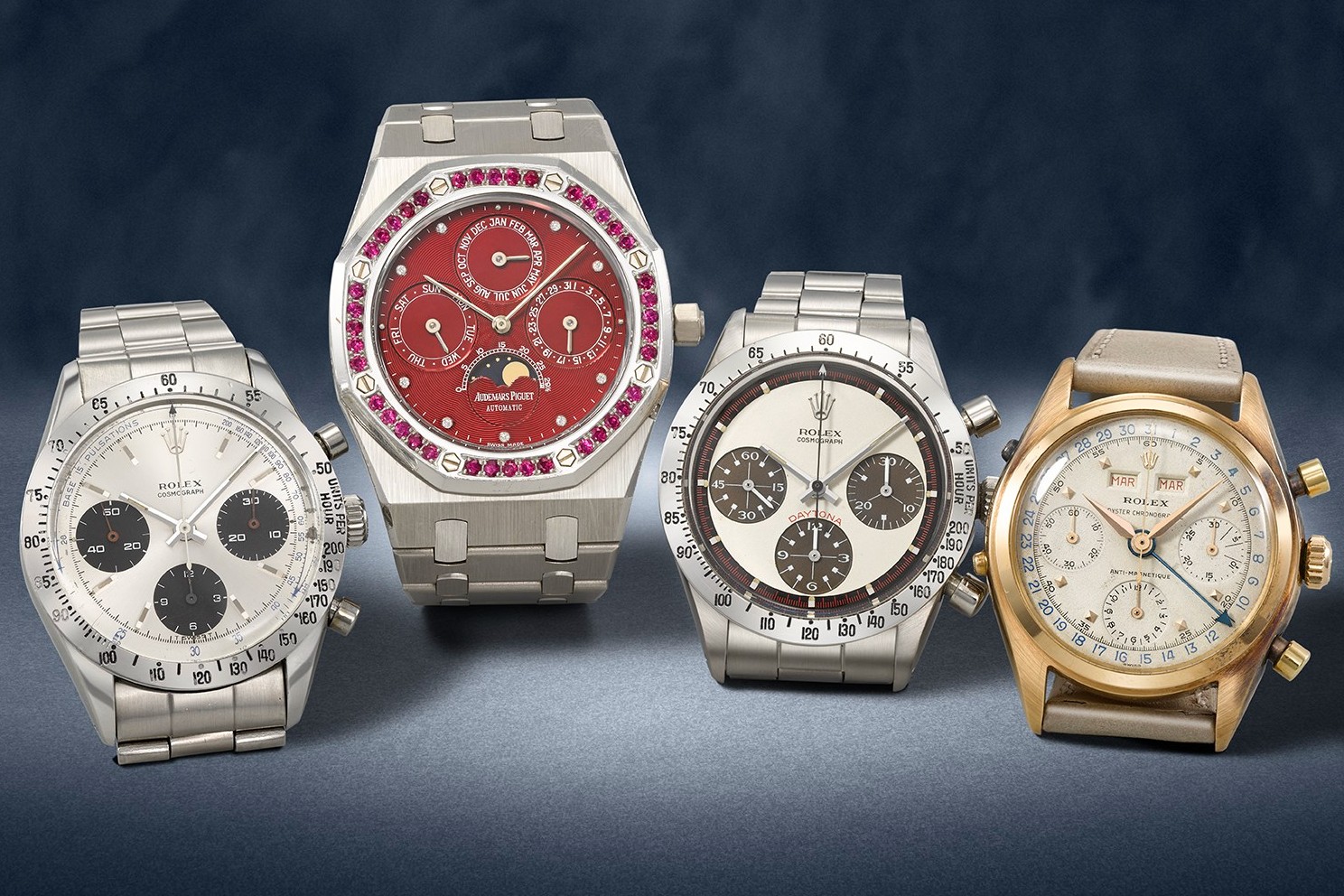
However, within specific categories, leather goods and jewelry have shown greater resilience, with an expected average annual growth rate of 4% to 6% until 2027. Growth for watches and apparel is projected to be slower, primarily due to competition from the second-hand market and a decline in consumer inclination.
In the preceding period from 2019 to 2023, the luxury industry experienced extraordinary growth, with a compound annual growth rate of 5%.