Editor’s Note
This article details De Beers’ strategic exit from the lab-grown diamond consumer market with the closure of its Lightbox brand, marking the end of a significant industry experiment.
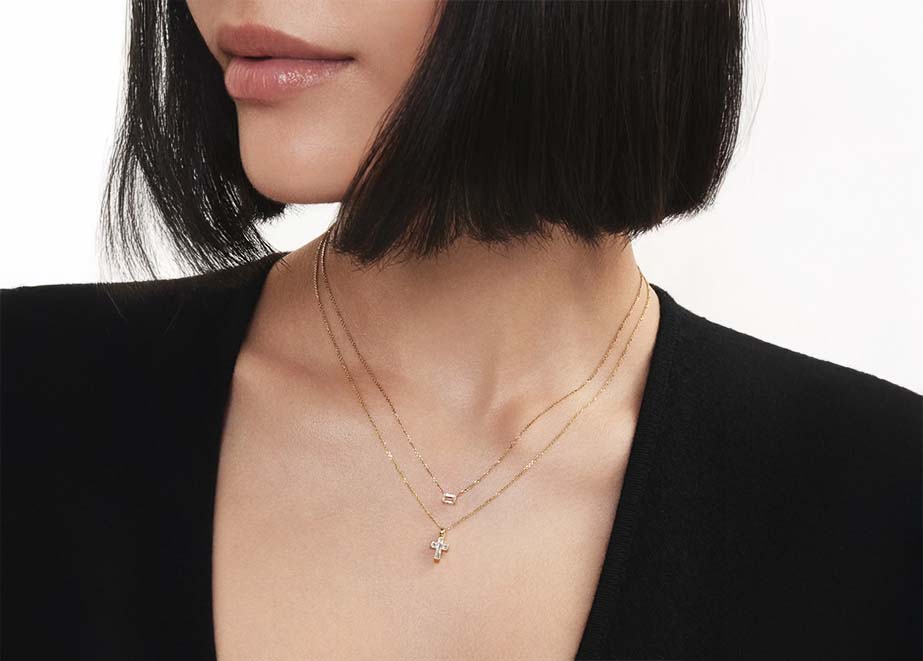
The De Beers Group is drawing a line under its involvement in the lab-grown diamond segment: With the complete closure of the jewelry brand Lightbox, founded in 2018, the diamond company is definitively exiting the end-consumer business with synthetic gemstones.
Lightbox was once conceived as a strategic test balloon: With transparent prices – $800 per carat – De Beers aimed to serve the emerging demand for lab-grown diamonds while simultaneously emphasizing the clear differentiation from natural diamonds. The concept: industrial precision, aesthetic ambition, but no emotional charge – which has always been central to natural diamonds. However, the experiment has failed. The price decline in the synthetic diamond market, driven by massive production increases – particularly from China – caused wholesale prices to fall below Lightbox’s own retail prices. The business model became economically unsustainable. Demand in the jewelry sector continued to decline, while the market increasingly shifted towards cheap offerings. The attempt to establish a mid-price tier remained unsuccessful.
For the De Beers Group, the closure of Lightbox marks not only the end of a brand but a profound realignment: The company is returning to its roots – to natural diamonds as a luxury symbol with rarity, value retention, and emotional capital.

Simultaneously, this step is embedded in a broader restructuring: The parent company Anglo American is currently reviewing the sale or IPO of De Beers, after the group had already taken multi-billion dollar value adjustments on its diamond business due to weak market development. The closure of Lightbox is therefore also an operationally motivated step to make the core business more profitable and leaner.
The production of synthetic diamonds will remain with De Beers – but exclusively for industrial applications. The subsidiary Element Six will focus in the future on technological fields such as quantum technology, semiconductors, and medical technology. With this, De Beers completely exits the consumer market for LGDs (Lab-Grown Diamonds) while simultaneously strengthening a high-growth B2B segment.
⊕ Price pressure on LGDs remains high: The devaluation of synthetic diamonds is likely to continue as price competition intensifies internationally.
⊕ Strengthening of natural diamonds: A market leader’s return to natural gemstones could strengthen consumer confidence in the value of the “original.”
⊕ Transparency becomes essential: Market confusion due to inconsistent terminology surrounding lab-grown diamonds demands clear communication and ethical marketing from specialist retailers.