Editor’s Note
The global luxury sector faces headwinds from economic uncertainty and shifting consumer patterns, with China’s market playing a pivotal role in the slowdown. This analysis explores how brands are navigating uneven pressures across regions and segments, highlighting that long-term strategic resilience remains key to weathering the volatility.
The global luxury industry is under pressure. Economic uncertainties and changing consumer behavior are impacting individual markets and segments differently. Analyses show that despite setbacks, not all areas are equally affected, and long-term brand strategies determine success or failure.
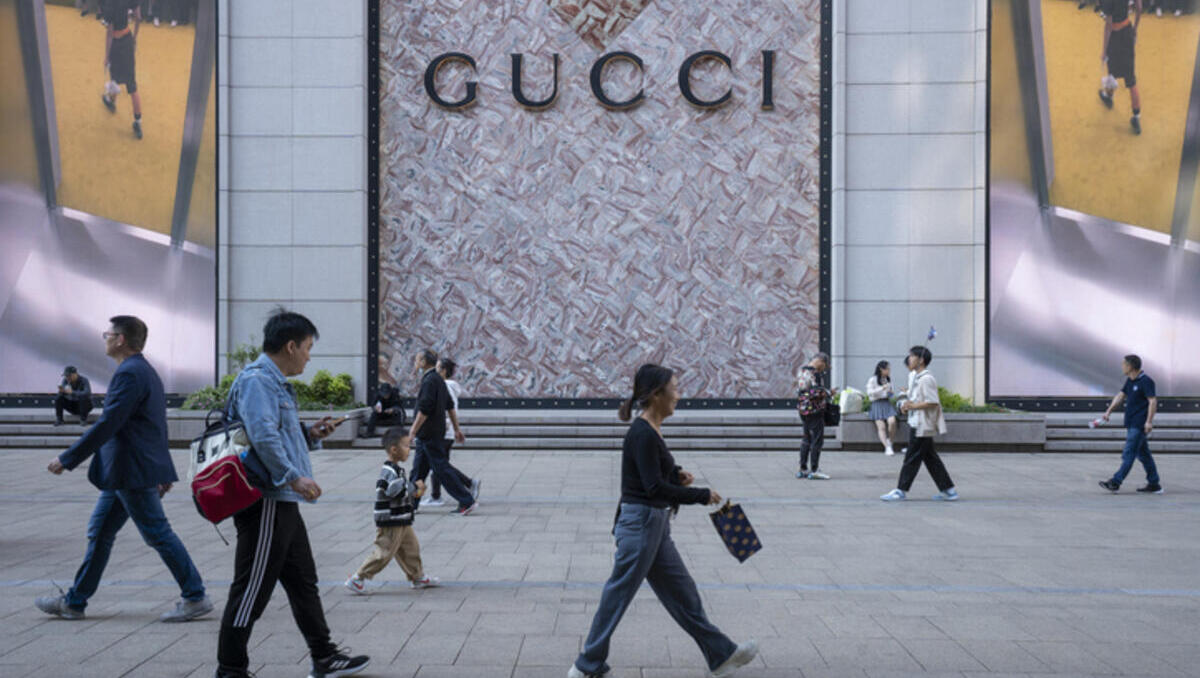
Major European luxury brands have had to accept significant share price losses in recent years, after experiencing strong growth during the COVID-19 pandemic. The stocks of the corporations behind brands like Louis Vuitton, Gucci, or Chanel experienced a veritable boom during that time, but the trend has shifted strongly in the last two years. The main cause for this turnaround is China, where a combination of high youth unemployment, a weakening real estate market, and growing economic uncertainty is causing consumers to act increasingly cautiously. Zuzanna Pusz, Chief Analyst for European Luxury Goods at Swiss bank UBS, emphasizes that many Chinese today are spending significantly fewer yuan on expensive products like handbags or sunglasses, which directly contributes to falling share prices of luxury corporations. Despite being close to the low point, the analyst believes it is still too early to speak of a complete recovery, as the economic framework conditions remain unstable.
The development in China shows how strongly political and economic uncertainties can influence the global luxury market. While the middle class in China has grown considerably in recent years and significantly driven the consumption of luxury goods, the current situation is causing many consumers to reconsider their spending. The trend affects not only clothing and accessories but also luxury travel and lifestyle products, which are traditionally considered status symbols. The caution of Chinese consumers directly impacts the sales and profit development of European luxury companies, which increasingly need to look for new markets and strategies to stabilize their growth trajectory and partially offset the decline in China.
While China is holding back, the USA has now taken on an important role as a support for the luxury industry. In the United States, consumers have maintained their demand for high-priced products in recent years, thereby achieving a stabilizing effect on European luxury corporations. UBS analyses show that the US market has contributed as strongly to growth since 2015 as the Chinese market. American consumers benefit from a robust labor market and rising incomes, which keeps their willingness to buy luxury items high despite global uncertainties. Pusz describes demand in the USA as “impressively strong” and highlights that the American consumer still views luxury as a reward and not primarily as an investment.
This shift illustrates that the luxury industry must be globally diversified to compensate for fluctuations in individual markets. While China was considered the engine of the luxury boom for many years, the current situation shows that other markets, particularly the USA, can take on a central role for stability and growth. Companies that design their market strategies flexibly and expand their presence in stable regions are better positioned to cushion setbacks in individual markets. At the same time, it becomes clear that the development in China remains a long-term challenge for European luxury companies, as political and economic factors continue to generate uncertainty.
Despite the general pressure on the luxury sector, the jewelry segment continues to show resilience. Demand for high-end jewelry remains robust, as consumers in key markets still perceive it as a store of value and a long-term investment, unlike more discretionary fashion items. This trend provides a relative safe haven for brands with strong jewelry portfolios.