Editor’s Note
This article examines the expanding global population of high-net-worth individuals, highlighting the concentration of wealth and its implications for economic dynamics.
High Net Worth Individuals (HNWIs), defined as individuals with at least one million dollars in liquid assets, represent a constantly growing population, predominantly composed of self-made men and women. The number of Ultra-HNWIs (UHNWIs), whose wealth exceeds 30 million dollars, has increased by 7% since 2023, according to Altrata.
The 38.1 million HNWIs recorded worldwide, equivalent to the population of Poland, collectively hold 150 trillion dollars, five times the US GDP. This wealth remains highly concentrated: the top 1% richest alone own one-third of the total wealth.
Geographically, North America (37.8%) and Europe (26.2%) are home to the largest number of HNWIs, while Latin America records the most dynamic growth, with an increase of 18.2% in 2024.
These individuals with exceptional purchasing power are key clients for the luxury industry. Although they represent only 2% of the overall clientele, according to Equity Research, their contribution to global luxury spending is expected to reach 35% in 2025. This influence is accompanied by a notable evolution in consumption behavior, with a marked preference for experiences over material goods. American Express data indicates that

a trend confirmed by Agility Research, which reveals that 74% of luxury executives identify experiential luxury as a major growth axis.
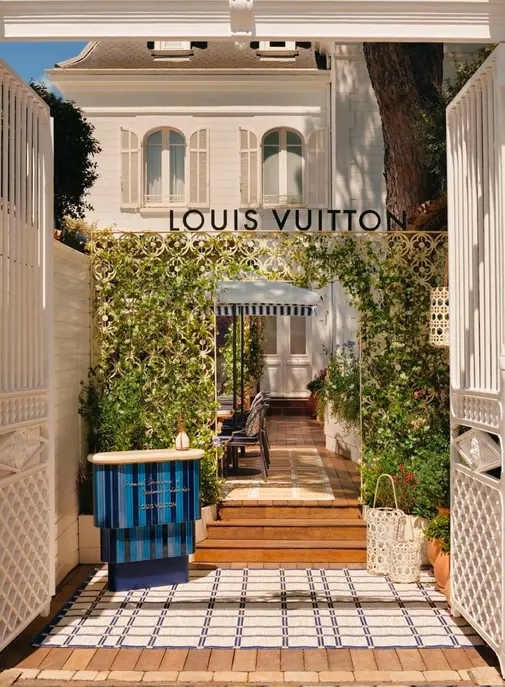
Much more than just a buzzword, this translates into concrete investments: Prada opened a café in Singapore; Louis Vuitton transformed retail into a cultural experience with its museum in Bangkok; and Six Senses and Mandarin Oriental have expanded their spa and wellness offerings, blurring the lines between hospitality and holistic lifestyle.
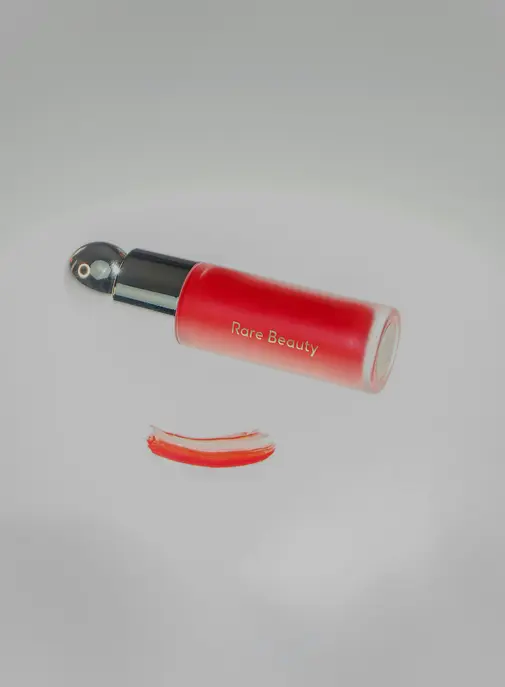
According to Altiant, beauty products and luxury hotels were among the most common spending categories for HNWIs in 2024, followed by bags, fashion, and jewelry. In terms of beauty, 86% of female HNWIs purchased luxury skincare products in the last twelve months (compared to 54% for men), and 31% visit a beauty salon at least once every two weeks.
HNWIs prefer to buy their beauty products in department stores (68%) or in brand boutiques (61%).
Furthermore, 41% spend at least $650 on beauty products every three months, primarily favoring formulas with premium ingredients. Travel constitutes another significant expense item, with Chinese HNWIs spending an average of 31,000 euros annually on this category. Nearly 51% of HNWIs travel between one and three months per year, while 29% of those under 40 consider themselves digital nomads.
This appetite for travel opens new opportunities for brands, illustrated by Dior’s initiative, which launched in 2025
offered at a price of 16,700 euros for four days.
With 30% of HNWIs set to inherit by 2030 and 63% by 2035, according to Capgemini, it is essential for brands to understand the expectations of Millennial and Gen Z HNWIs. This generational transition indeed comes with new demands:
while 62% of those under 35 express a preference for “trendy” brands, compared to 35% for timeless luxury. Alignment with their personal values influences 56% of their purchasing decisions, and 70% of American Millennials prefer to buy directly on brand websites, compared to a global average of 48%.
To meet these complex expectations,
While technology is a key lever, emotion remains at the heart of the relationship with this demanding clientele. These elements, combined with a deep understanding of generational shifts, will determine the ability of luxury players to capture this strategic clientele in the coming years.