Editor’s Note
This analysis, based on Chrono24’s 2025 market data, highlights Rolex’s exceptional resilience. The brand has not only recovered but solidified its dominant position in the secondary watch market, underscoring its enduring value and appeal to collectors.
What is the state of the second-hand watch market? In partnership with Fratello Watches, Chrono24 published its study on the subject on October 22. Focusing on the first six months of 2025, the report is based on transactions conducted on the new and pre-owned watch buying and selling platform, which has approximately nine million active users.
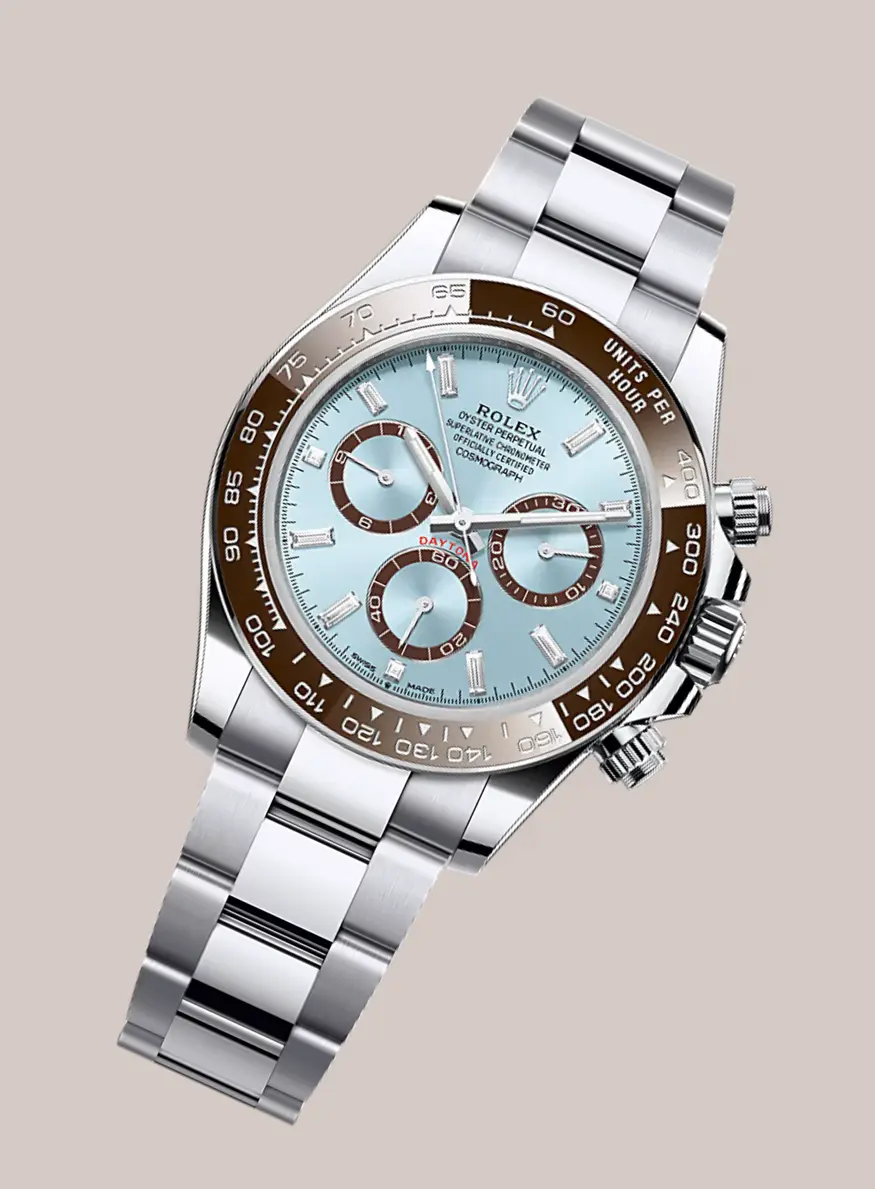
Rolex distinguished itself from other brands through its stability, showing no variation in its relative market share in the first half of 2025 compared to the last half of 2024. However, when comparing to previous semesters starting from 2022, the leading Swiss watchmaker with its iconic Datejust, Daytona, and Submariner models continued to show a slight decline in market share,
explained the report.
Brand performances were fragmented in the first six months of 2025. Tudor recorded notable growth by increasing its relative market share by +6.6%. IWC and Omega also stood out with respective increases of +4.9% and +4%. Far from the more speculative segments, these two houses embody a category of
over the past three years, as mentioned in the study.
Jaeger-LeCoultre generated an increase of +0.8%, while TAG Heuer (-1.4%), Breitling (-4.4%), and Cartier (-5.9%) faced more significant declines. According to the major trend identified in the report, the
as seen with Audemars Piguet (+0.2%) and Patek Philippe (-8.2%, explained by a particularly dynamic second half of 2024).
While post-pandemic speculation has faded in favor of more stable and balanced growth, young consumers are also changing the game in the watch industry.
Although brands’ iconic and historical collections continue to be seen as safe bets for buyers, the
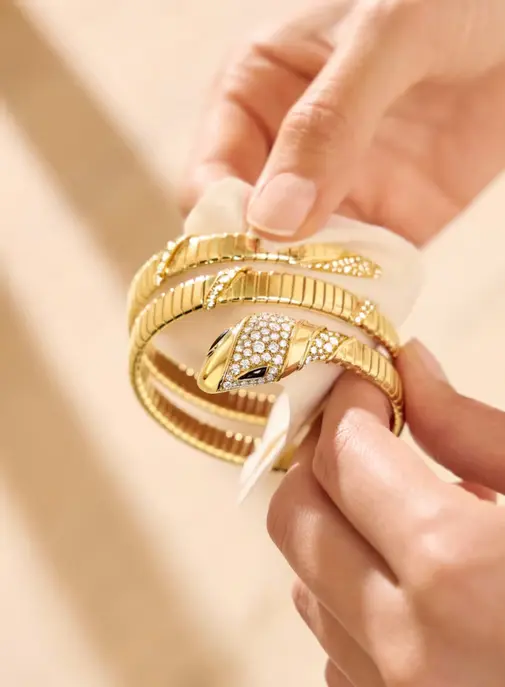
The share of dress watch sales linked to purchases by these young consumers increased by +44% between 2018 and 2025, and 12% of all watches purchased today by Gen Z are precisely these timepieces. The trend has particularly benefited Cartier, whose aesthetic is rooted in this quest for elegance and refinement. According to Chrono24, Cartier’s share of total watch sales to Gen Z has risen from 1.7% to 6.8% in seven years.