Editor’s Note
The luxury sector is entering a period of potential consolidation as major groups confront economic headwinds and shifting consumer habits. This analysis explores how mergers and acquisitions are becoming a strategic imperative for survival and growth.
The luxury sector, known for its continuous growth and its ability to navigate turbulent waters, is at a crucial moment. The global economic slowdown, changes in consumption patterns, and increasing competition are forcing brands to rethink their strategies. In this context, mergers and acquisitions (M&A) emerge as a key tool to ensure survival and growth. The search for synergies, expansion into new markets, and portfolio diversification are some of the drivers behind these operations.
However, the path is not without risks. The overvaluation of assets and the loss of brand identity are some of the challenges companies must overcome. The key lies in finding a balance between consolidation and preserving the exclusivity and appeal that define luxury.
Recent examples illustrate this trend. LVMH, the world’s largest luxury conglomerate, has continued its expansion strategy through selective acquisitions. The purchase of Pedemonte Group, an Italian high-end jewelry manufacturer, strengthens its control over the supply chain and ensures access to specialized craftsmanship.
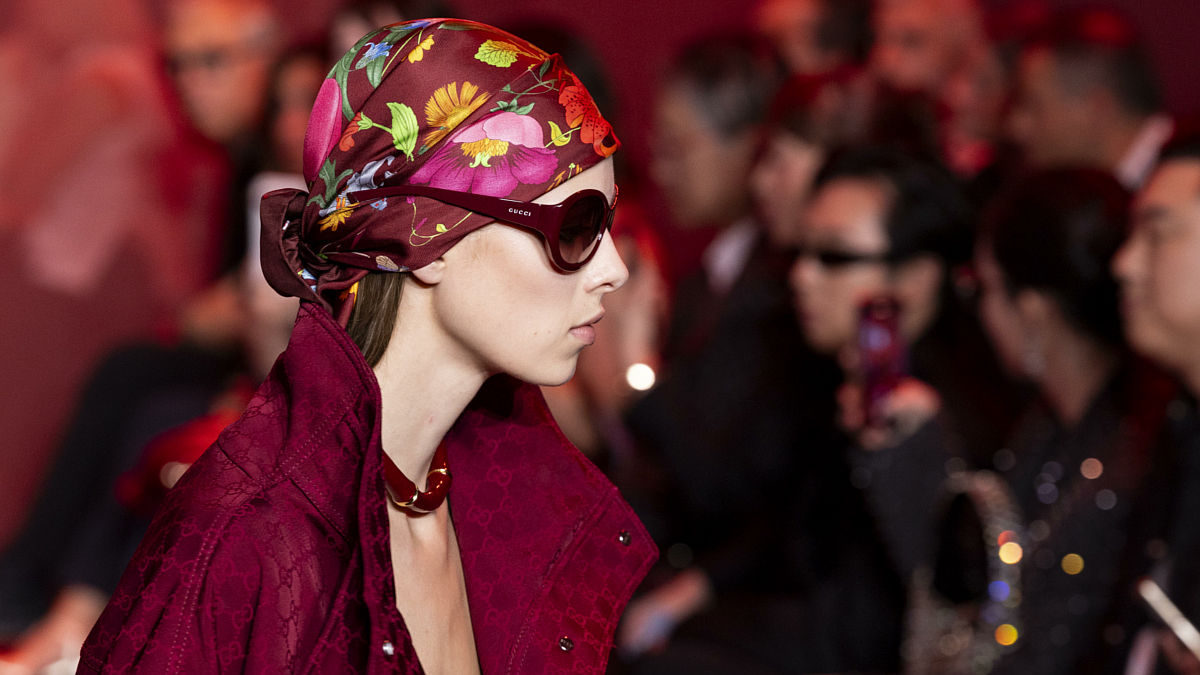
However, rumors of a possible acquisition in the jewelry sector indicate its interest in competing directly with Tiffany and Cartier. Richemont, another luxury giant, has sought to consolidate its presence in e-commerce through the merger of YNAP with Farfetch, despite the latter’s financial difficulties. Furthermore, the acquisition of Maurice Lacroix in 2023, whose effects were consolidated in 2024, demonstrates its commitment to independent watchmaking.
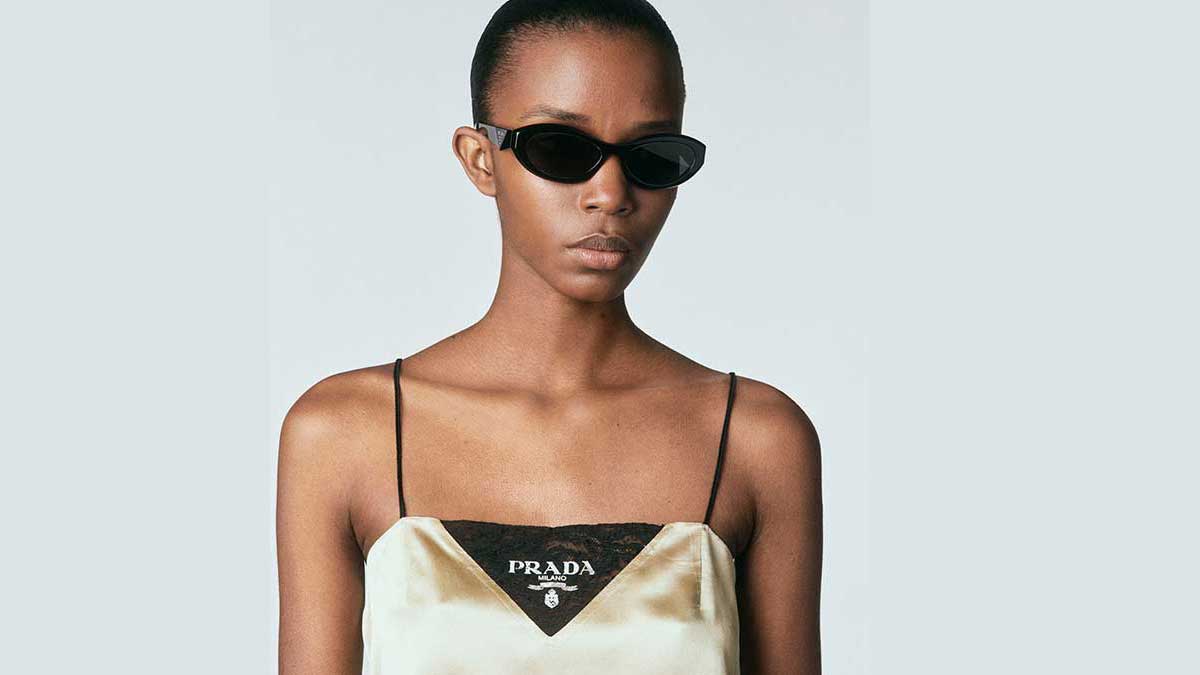
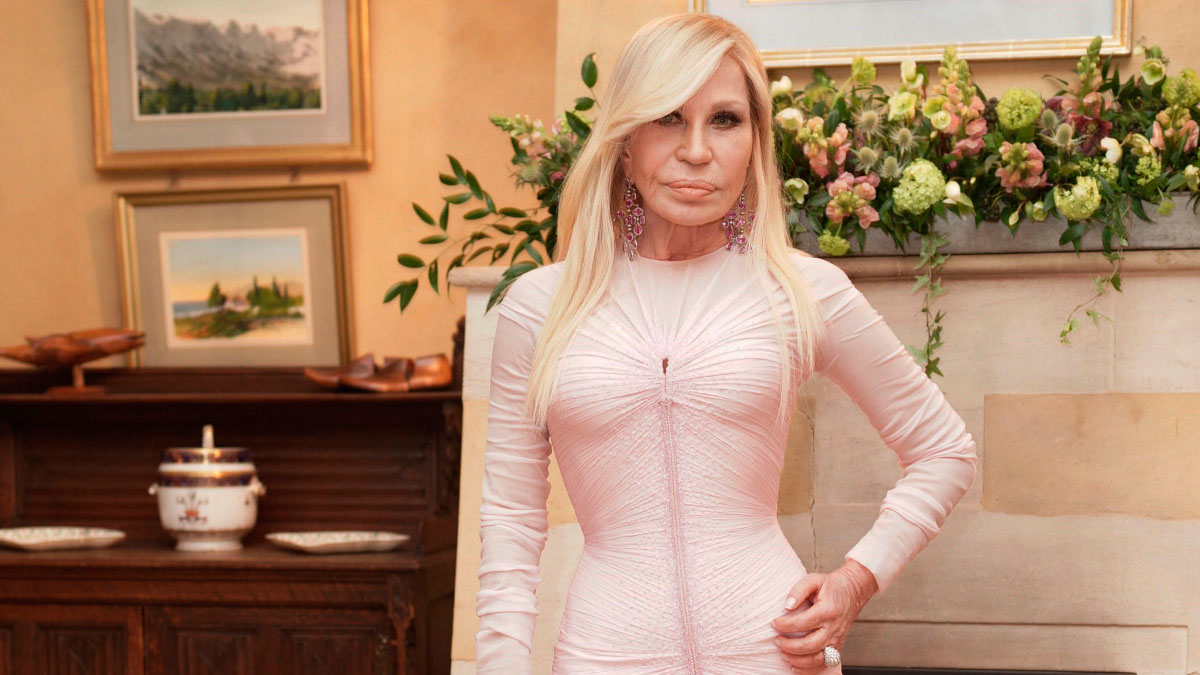
Everything seems to indicate that Prada, the elegant Italian brand, is in talks to buy Versace. Just this month, Donatella Versace has resigned from her position as chief designer of the firm founded by her brother. Giorgio Armani, the 90-year-old founder of his namesake brand, has said he does not rule out a merger as he plans to retire. Indeed, the exits of founders from other iconic firms are also fueling speculation about potential deals.
Along with Armani, Dolce & Gabbana is also in the midst of succession planning. Small but trendy brands, such as The Row, founded by the Olsen twins, are also being considered as potential acquisition targets.
In times of stagnation, mergers and acquisitions take on even greater relevance. Brands seek to strengthen their market position, optimize their operations, and access new consumer segments. The acquisition of specialized workshops, such as leather artisans or watch manufacturers, allows companies to control the quality and exclusivity of their products while reducing their dependence on external suppliers.
Digitalization also plays a fundamental role. The acquisition of e-commerce platforms and innovative technologies has become a priority for many brands. Furthermore, investor pressure to improve profitability drives companies to seek mergers that generate short-term results.
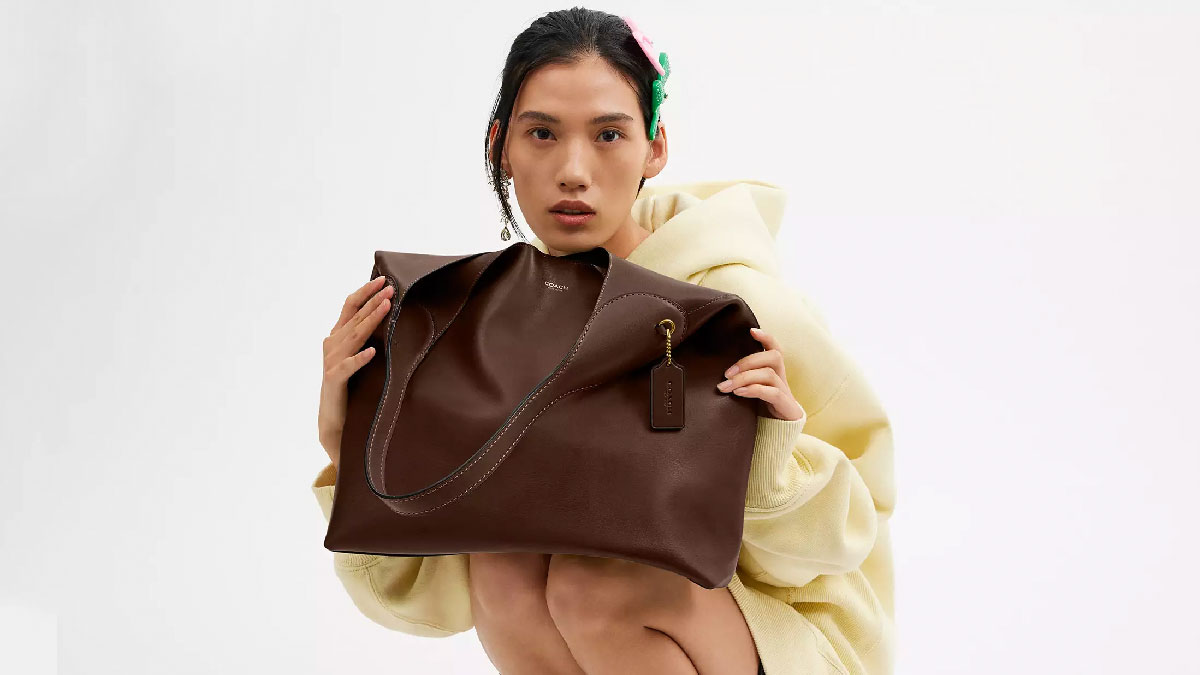
Another factor favoring mergers in the sector is the fact that competition authorities are abandoning their recent hostility towards such agreements. Last year, the US Federal Trade Commission blocked the acquisition of Capri, currently the owner of Versace, by Tapestry, owner of Coach and Kate Spade.
However, the Trump administration has indicated it will be more open to mergers. European authorities also seem more willing to allow deals that further strengthen one of the few industries it dominates globally.
Despite the risks, mergers and acquisitions offer significant opportunities for luxury brands seeking to navigate an increasingly complex and competitive market. The key lies in identifying the right synergies, managing integration effectively, and preserving the exclusivity and appeal that define luxury. Brands that manage to find this balance will be better positioned to thrive in times of uncertainty and secure their place at the top of the industry.