Editor’s Note
The luxury auction market is undergoing a significant transformation, driven by a new generation of collectors. This article explores how younger buyers are fueling record-breaking sales and reshaping the high-end auction landscape.
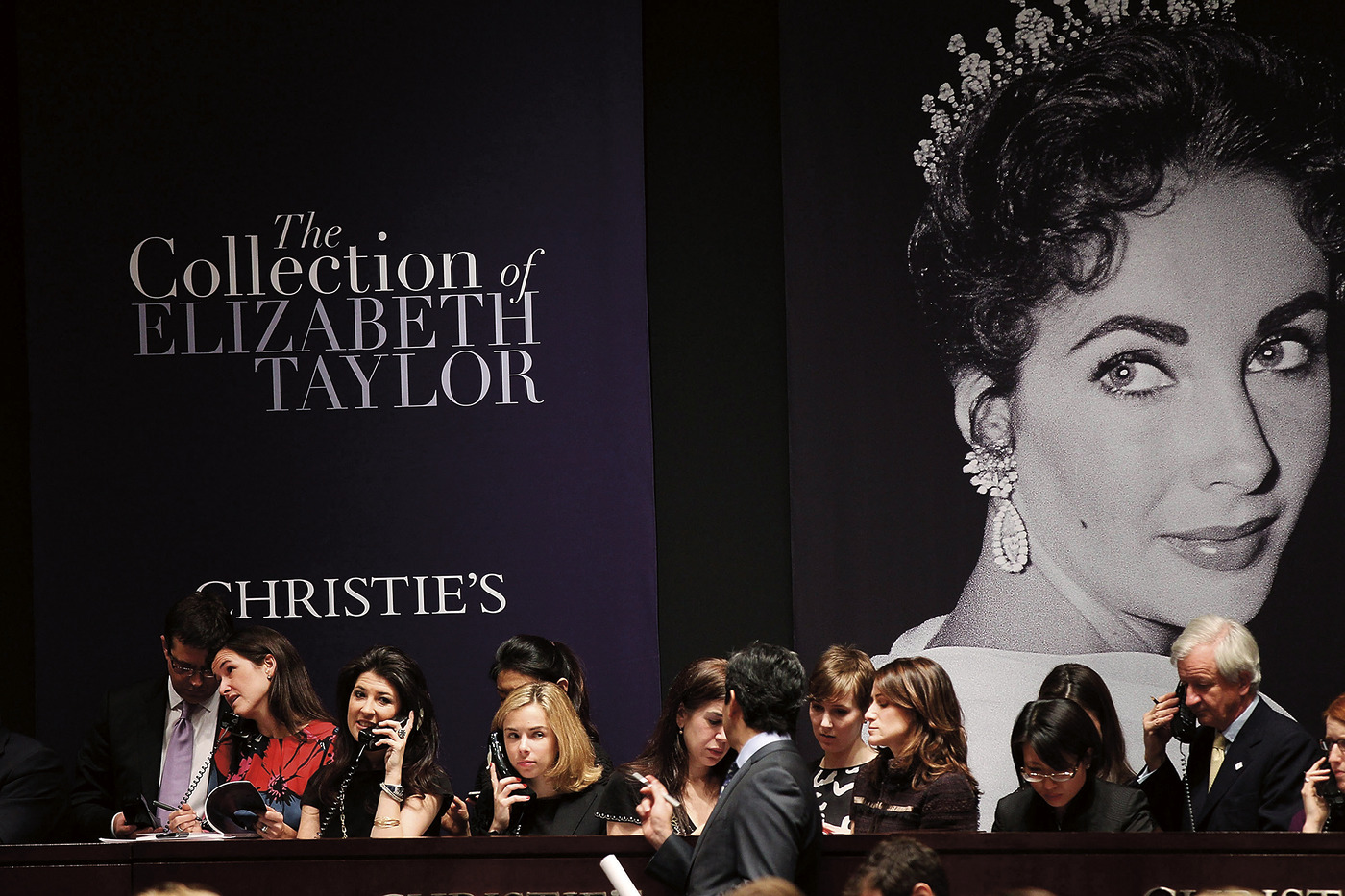
Luxury auctions are experiencing an unprecedented boom due to an influx of MZ-generation customers. The presence of this younger generation is particularly pronounced in high-end jewelry auctions.
In November, auction house Christie’s in Geneva sold a 30.6-carat cabochon-cut emerald, known as the Shah Jahan Emerald, for $830,000. This price was eight times its estimate. London-based Phillips auctioned a 42.7-carat Tiffany Vanderbilt Kashmir sapphire for $3.6 million, three times its estimate. Sotheby’s set a new auction record by selling Napoleon’s diamond brooch for $4.4 million, a price approximately 29 times its estimate.
Luxury auctions are thriving. According to Christie’s, luxury sales in 2025 increased by 29% compared to the previous year. Sotheby’s total luxury sales grew from $822 million in 2019 (14% of total sales) to $2.2 billion in 2024 (37% of total sales as of November 2025). Auction houses are reaping the benefits of their efforts to attract younger bidders, and the effects are becoming visible. According to Josh Pullan, Sotheby’s Global Head of Luxury, one-third of customers purchasing watches, handbags, and spirits are under 40, a significantly higher figure than before, reflecting the increased purchasing power among younger buyers. Benoît Repellin, Phillips’ Global Head of Jewelry, stated that Phillips’ MZ-generation customer base has grown by 56% over the past five years. Figures released by Christie’s show that by 2025, 39% of female bidders and buyers were from the MZ generation, a slight increase from 32% in 2024. The proportion of male MZ-generation participants increased from 28% in 2024 to 32% in 2025.
This growth has been driven by the broadening of some categories in terms of both scope and price points. Auction houses have enhanced accessibility by expanding physical access to digital platforms and investing in educational content and collector communities. The luxury categories appearing at auctions have significantly expanded, ranging from sports memorabilia like footballer Cristiano Ronaldo’s jersey (sold by Sotheby’s Saudi Arabia) to sneakers, wine and spirits, cars, couture clothing (e.g., the Ralph & Russo archive presented by Bonhams during Dubai Watch Week), and fashion accessories. According to Pullan, this expansion into new areas has not only helped attract younger generations across a broader spectrum but has also played a role in sustaining the core fine art business, as younger collectors are more agile in moving across categories.
Mario Ortelli, Managing Partner at Ortelli & Co., says the strength of the luxury sector at auctions is also correlated with the sustained cultural investment by brands like Cartier, Van Cleef & Arpels, and Bulgari. These brands have elevated their pieces to ‘artworks’ through museum exhibitions, and this artistic value is transmitted to those purchasing auction items. Independent luxury consultant Susanna Nicoletti agrees.
This shift has led many to focus on auctions, where items represent ‘true luxury’—defined by rarity and craftsmanship—as opposed to merely ‘expensive fashion products.’ According to her, auction items serve as a means to showcase taste and as a liquidatable asset. Auction houses are benefiting from investors seeking interesting alternatives for liquidity. Luca Solca, Luxury Analyst at global investment firm Bernstein, also believes richer market dynamics are at play.
A variety of price points has also helped attract younger clientele. Jonathan Darracott, Global Head of Watches at Bonhams, said they have consistently expanded the ‘entry-level lower price point’ range, thereby attracting younger bidders more accustomed to online purchasing. On Sotheby’s ‘Buy Now’ marketplace, launched during the peak of the pandemic, Bella Freud t-shirts start at $135 and Hermès costume bracelets at $420. These accessible prices put these centuries-old auction houses in direct competition with traditional retailers, but unlike traditional retailers, auction houses offer more flexible payment methods—they even accept cryptocurrency. In February 2025, Sotheby’s held its first international auction in Saudi Arabia, accepting Bitcoin and Ethereum throughout the event. Riding on this momentum, Sotheby’s held its first Luxury Week in Abu Dhabi. The event coincided not only with the Formula One Grand Prix but also with Abu Dhabi Finance Week and the Bitcoin MENA (Middle East and North Africa Conference).
Blind faith in traditional auction methods and existing customers alone is no longer sufficient for progress. Now, with the influx of younger generations, pursuing new changes is essential.
Auction houses also encounter potential collectors in unexpected places. For instance, Jennifer Lawrence wore Jar diamond earrings, sold at a Sotheby’s auction last December, on the red carpet. Last fall, Sotheby’s hosted Rolliefest, a biennial gathering for serious watch collectors launched in 2019 by Geoff Hess, Sotheby’s Global Head of Watches. Rolliefest combines official dinners and meetups at famous venues, fostering a community based more on emotion than commerce.
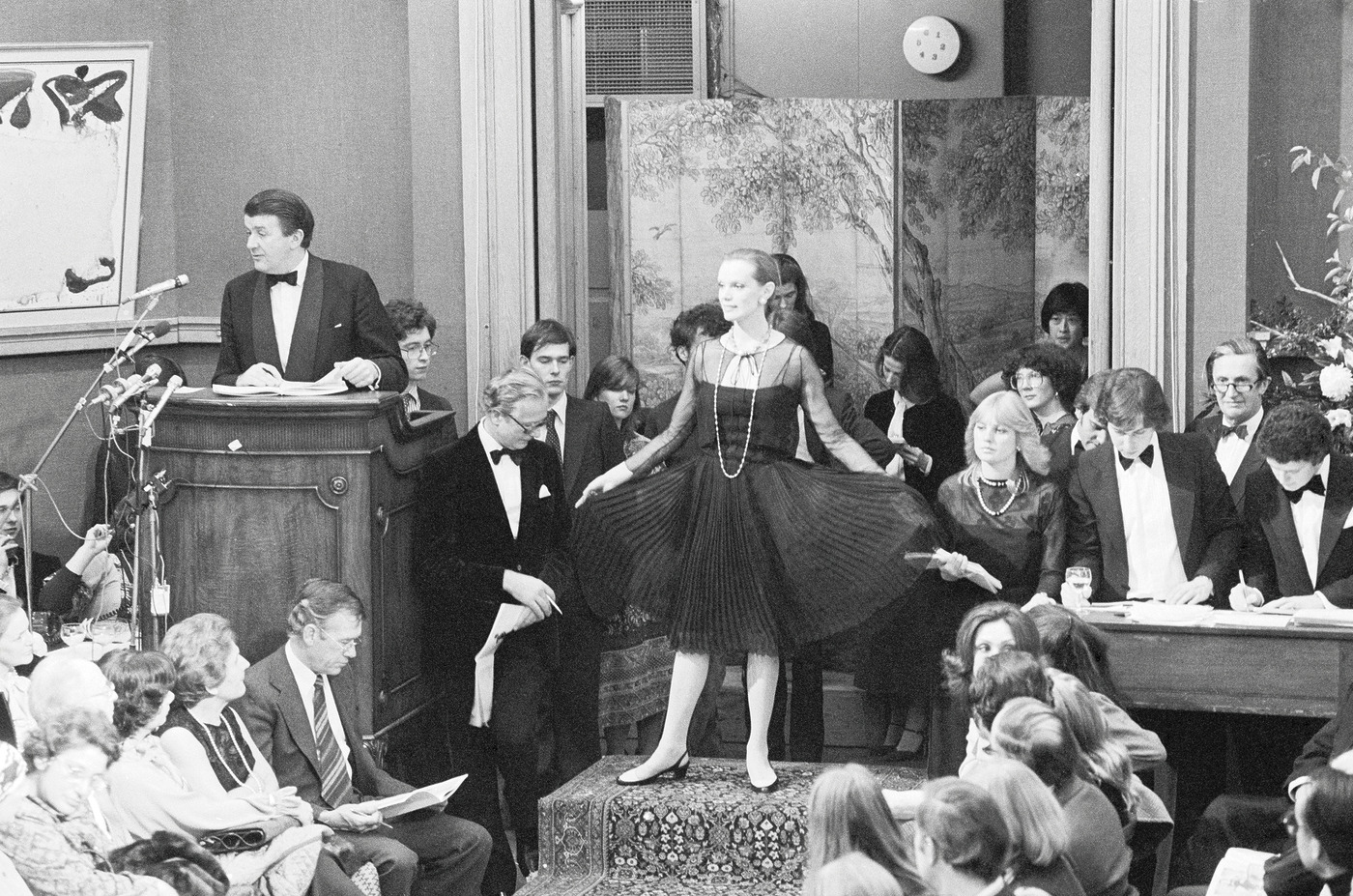
Investment in live events and storytelling resonates with younger buyers, many of whom have wandered in a digital world with reduced human interaction. In this era where a sharp perspective on luxury is applied, auction houses demonstrate their sensitivity to consumer expectations and once again show their flexibility. Just as Christie’s held its first jewelry auction in Geneva in 1969 solely at a client’s request, half a century later, auction houses are still seeking out customers—going wherever they are and inviting them to meet.