Editor’s Note
This article explores the world of high jewelry collecting, where the ultimate prize is the rare, untreated gemstone in its purest natural state.
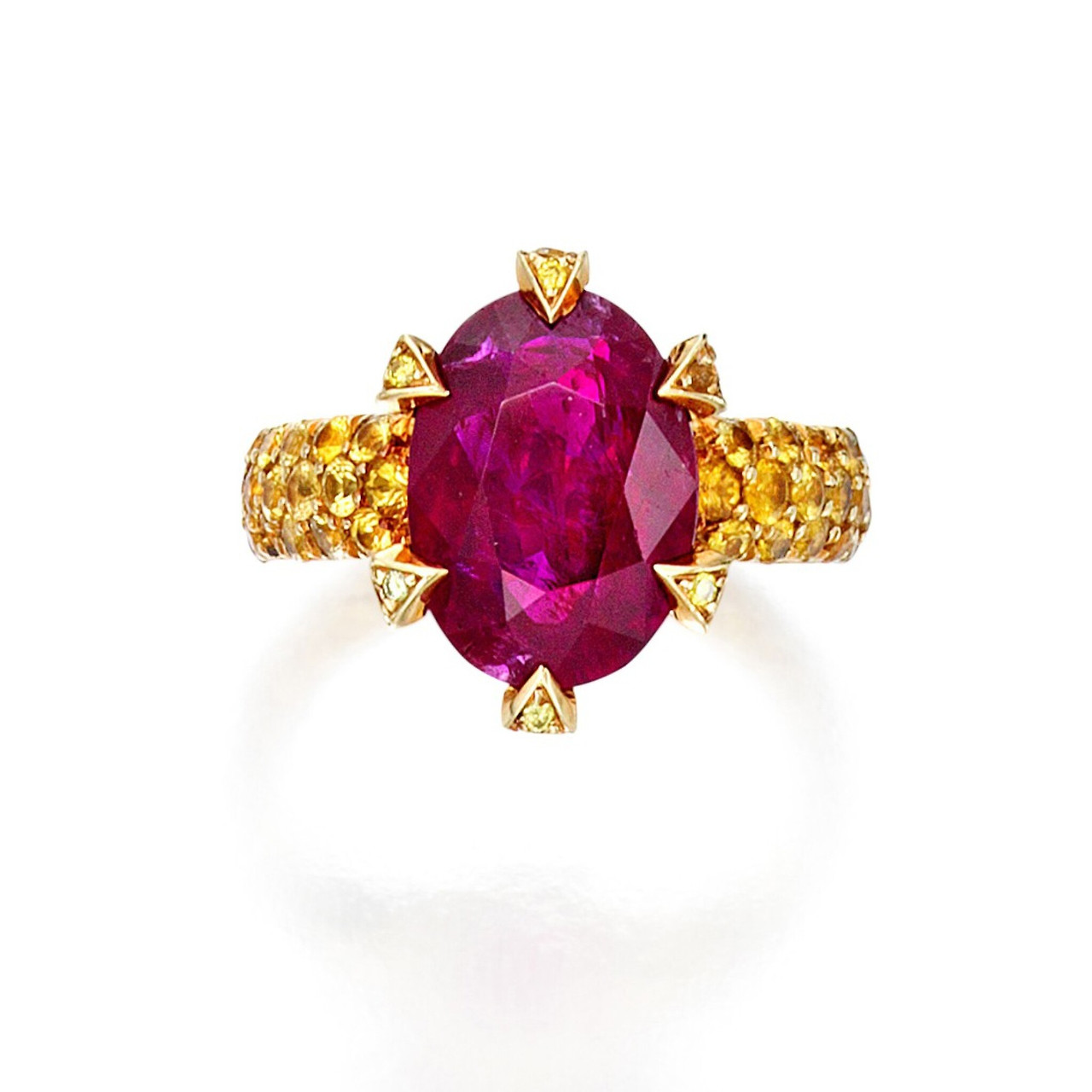
To collectors, the condition of the gemstone is paramount. Colored gemstones like rubies, sapphires, and emeralds typically undergo ‘treatments’ such as heat treatment, filling, or dyeing—common methods to enhance color clarity and internal appearance. However, such practices hold no appeal for high jewelry collectors. They seek ‘untouched, natural gemstones.’
For instance, rubies and sapphires certified as ‘No Treatment’ or ‘No Heat’ are extremely rare. Gems mined from specific origins like Burmese Mogok rubies, Kashmir sapphires, or Colombian no-oil emeralds, set without any treatment, are considered ‘legendary.’ If accompanied by a certificate from a world-renowned gemological institute like GIA, SSEF, or Gübelin stating “No indication of treatment,” the piece transforms into a work of art imbued with both narrative and value.
Collectors prioritize ‘when it was made’ over simply ‘how pretty it is.’ For them, whether a piece embodies ‘the aesthetic sensibility representative of its era’ is far more crucial than its design alone.
1920s-30s Art Deco jewelry is beloved for its geometric and bold proportions. In contrast, the 1890s-1910s Art Nouveau style highlights naturalism and curvilinear beauty. 1950s-60s Mid-Century design combines industrial simplicity with elegance. Thus, a jewel’s value and standing are entirely shaped by the design trends of its period.
While ‘brand signature collections’ like Cartier’s Panthère or Van Cleef & Arpels’ Alhambra remain popular, what collectors truly covet are limited editions produced for only one season, custom pieces signed by specific artisans, or rare works registered in a brand’s archives. These are not mere jewelry; they are ‘moving history’ capturing a slice of time.
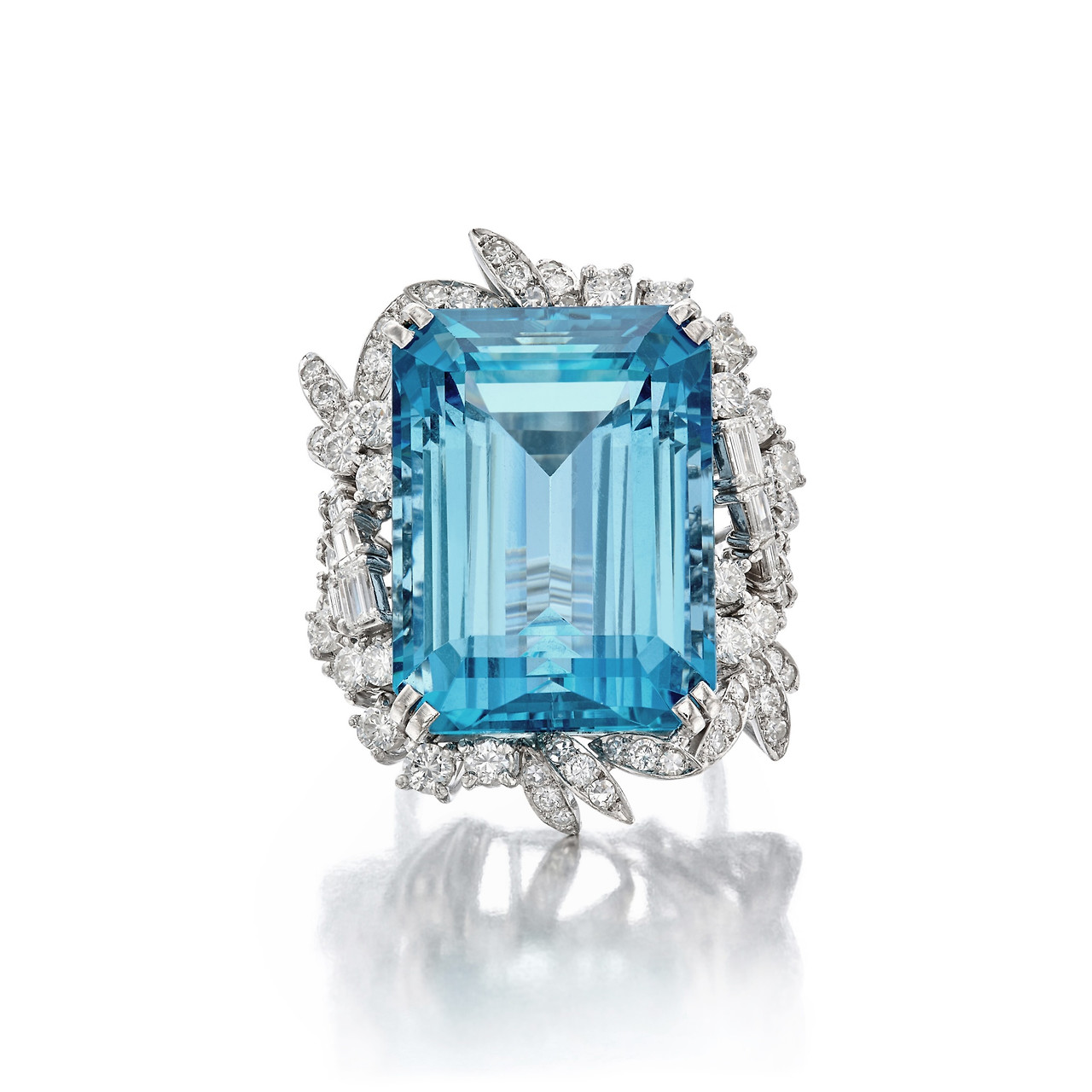
The transaction methods for high jewelry are also unique. Rarely does one simply swipe a card in a store. In this world, ‘introductions’ and ‘provenance’ hold greater weight.
Brands like Chanel, Chaumet, and Boucheron operate private sales accessible only to VIP clients. Often, one cannot even ‘view’ certain products without reaching a specific tier. Sometimes, even securing an appointment is difficult without prior purchase history from the brand. Through this process, collectors essentially acquire jewels that are ‘accessible only to the vetted.’
Furthermore, the auction market is seeing a rise in off-market listings, pre-sale offers, and private negotiations. Sotheby’s and Christie’s sell high-value high jewelry through ‘exclusive’ methods online, while global trading hubs like Hong Kong, Geneva, New York, and Dubai host high-end auctions tailored to regional demand. Post-COVID-19, such digital-based transactions have expanded further, with over 30% of high jewelry auctions now conducted online.
A jewel is ultimately a story. Who wore it, when it was made, whether it has been exhibited, and which lab issued its certificate—all these elements build its value.
For example, a 19th-century brooch worn by European royalty, a high jewelry necklace worn by a world-famous actress at the Academy Awards, or a one-of-a-kind piece designed by a master jeweler from a specific maison. The story of such jewelry doesn’t end with a single certificate. Accompanying photographs from the era, handwritten letters, and the maison’s production records come together to form a ‘complete narrative.’
The world of high jewelry collectors is not mere luxury consumption. They approach jewelry by intertwining the artistry of craftsmanship, the purity of the gemstone, the aesthetic sensibility of the era, the depth of its story, and the discretion of its transaction. Its sparkle is not merely a shine but a crystallization of time, discernment, and an individual’s taste.
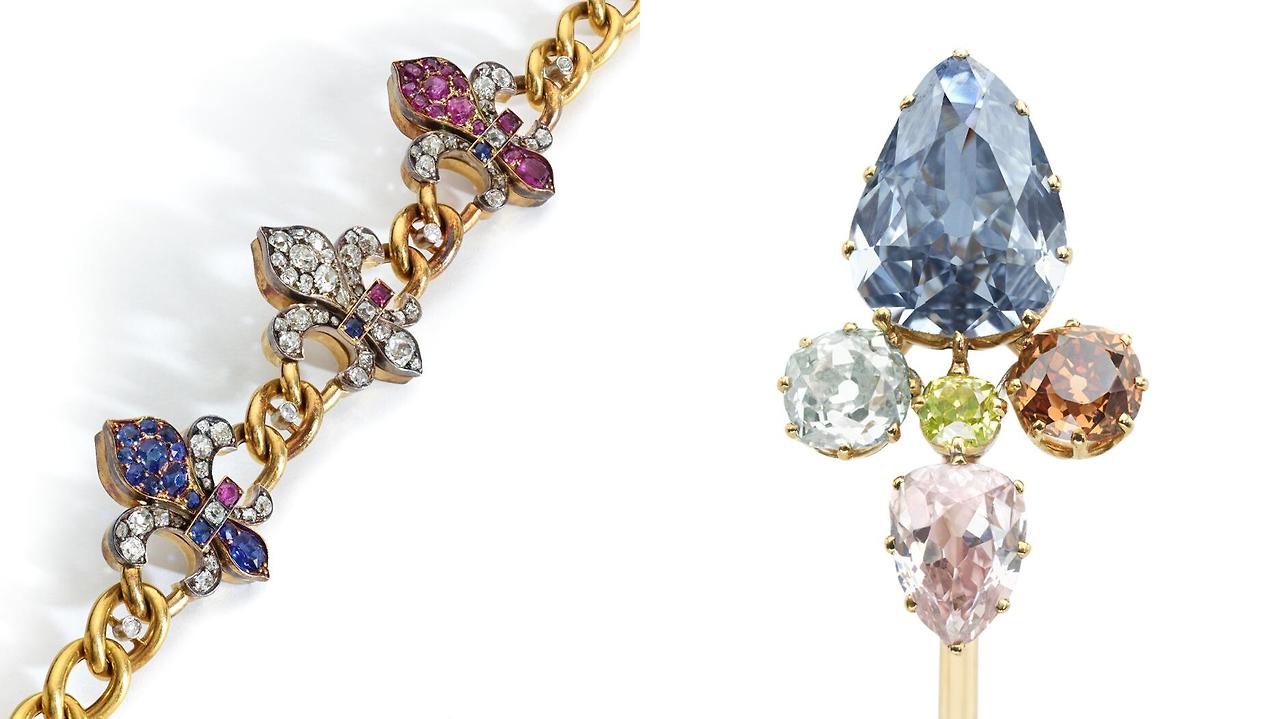
The ring you wear today might one day become part of someone else’s collection. The world of high jewelry quietly awaits the next generation in just this way.