Editor’s Note
Angola’s diamond sector is defying global headwinds with a significant production increase, positioning the country to potentially become a top-three global producer this year.
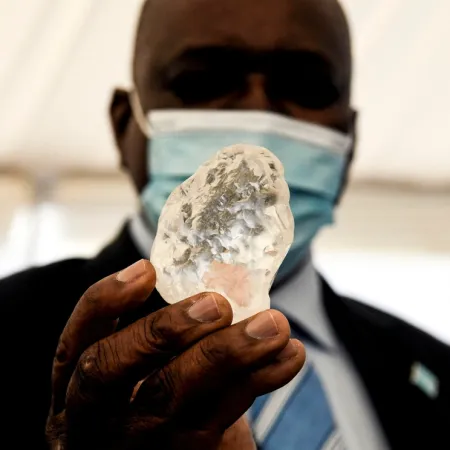
The diamond industry in Angola is experiencing a period of production expansion despite an adverse international context.
According to official data, the country managed to extract 10.7 million carats between January and September 2025, representing a significant increase compared to the same period last year. The government’s goal is to end the year with 14.8 million carats, surpassing the 2024 record and consolidating Angola as one of the world’s top three producers.

The growth is supported by greater operational stability at the Catoca and Luele mines, controlled by the state-owned company Endiama alongside foreign partners. However, the increase in volume has not translated into higher revenues: the value of exports fell by 14% in the first nine months of the year, due to falling international prices and growing competition from synthetic diamonds.
The Angolan government has promoted a strategy of diversification and modernization of the sector to reduce its dependence on crude oil, betting on mining as a driver of development. Endiama leads a series of projects aimed at increasing local processing and opening new kimberlite deposits, the rock that contains natural diamonds. The expulsion of Russia’s Alrosa and the entry of an Omani investor mark a geopolitical shift intended to attract non-sanctioned capital and strengthen sector transparency.
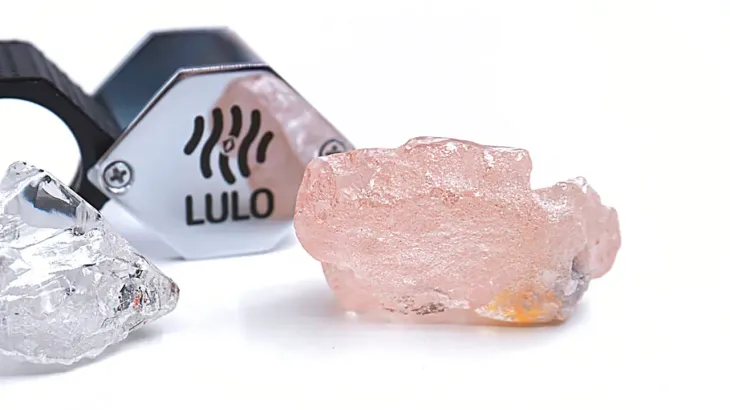
The country is also trying to position itself as a regional diamond trading center, pushing legal reforms and improvements in traceability. According to analysts, this openness could turn Angola into a reference hub for Southern Africa if it manages to maintain political stability and legal security. Production projections maintain an upward trend, although net profits will depend on the recovery of demand in China and the United States.
Despite internal enthusiasm, the international outlook is uncertain. Natural diamond prices are pressured by oversupply and the growing popularity of laboratory-grown diamonds, which are cheaper and more environmentally sustainable. Experts estimate a 70% probability that the gap between volume and profitability will persist over the next two years. In this scenario, the challenge for Angola will be not only to extract more but to sell better.

If Angola manages to combine its geological potential with efficient and sustainable management, it could consolidate itself as a key player in the new African mining map, although price volatility will remain its Achilles’ heel.