Editor’s Note
This article highlights the immediate market volatility in gold prices following China’s policy change, demonstrating how regional policy shifts can trigger global price fluctuations before markets stabilize.
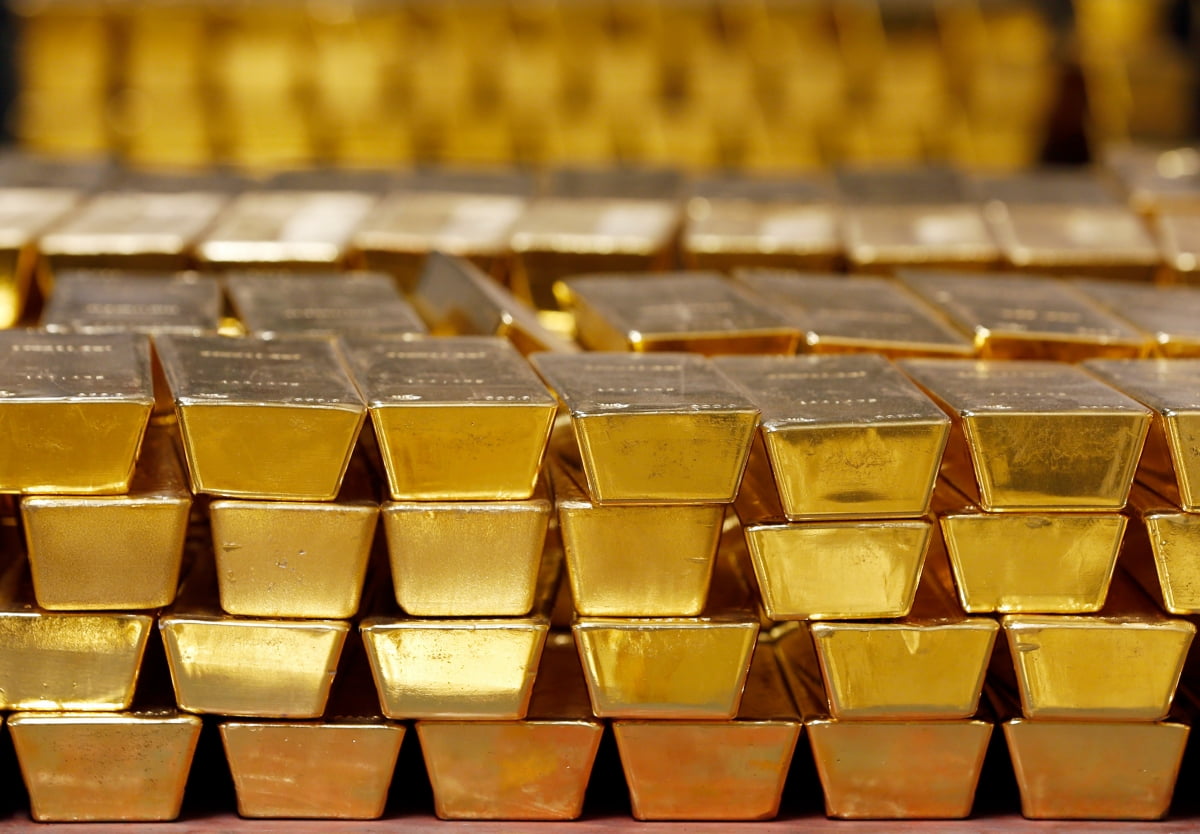
International gold prices fell by more than 1% in Asian markets on the 3rd (local time) after China ended its tax rebate policy for gold. However, prices rebounded by 0.2% in the London market, recovering to $4,012 per ounce and reclaiming the $4,000 level.
China’s Ministry of Finance announced on the 1st that it would no longer allow retailers to offset the value-added tax (VAT) on gold purchased from the Shanghai Gold Exchange and the Shanghai Futures Exchange when they sell it. This news caused a sharp decline in domestic gold prices and jewelry-related stocks in China.
This rule applies to transactions involving both investment products, such as high-purity gold bars and coins approved by the People’s Bank of China, and non-investment gold, including jewelry and industrial materials.

Furthermore, the scope of VAT exemptions for companies producing non-investment gold, such as for jewelry or electronic products, has been reduced from the previous 13% to 6%.
This move, aimed at increasing government tax revenue, is likely to raise the cost of purchasing gold in China and somewhat dampen demand.
In the Hong Kong stock market, jewelry stocks such as Chow Tai Fook Jewellery Group, Chow Sang Sang Holdings, and Lao Feng Xiang plummeted by more than 8% to 12%. Analysts at Citigroup noted that this tax reform is likely to pressure the entire jewelry industry to raise prices to offset cost pressures.

However, he added that the rebound in the London market following the day’s weakness in Asia shows that the bullish sentiment is still intact.
As of 8:27 AM London time, spot gold was trading at approximately $4,012 per ounce. Platinum rose by up to 2.2%, while silver and palladium also saw slight gains.
Gold hit a record high in October, fueled by a wave of retail buying, but subsequently turned lower due to some profit-taking and a slowdown in seasonal buying related to Indian festivals. Demand for gold as a safe-haven asset also eased as the US and China entered a trade truce.
Despite the recent price drop, gold is still up more than 50% since the beginning of the year. The fundamental factors that have driven the gold price rally—including central bank purchases, expectations of US interest rate cuts, and safe-haven demand—are expected to remain valid.