Editor’s Note
This article examines the strategic shift in China’s e-commerce sector, moving beyond user growth to focus on ecosystem development and deepening engagement within the existing market. It explores how platforms are adapting to a maturing landscape.
According to CNNIC data, the scale of online shopping users in China reached 974 million in 2024, with a penetration rate close to 90%, indicating that traffic growth space has peaked. Simultaneously, leading e-commerce platforms have increasingly turned to low-price strategies (e.g., JD.com’s “Buy Expensive, Get Double Refund”) and content ecosystems (e.g., Douyin’s interest-based e-commerce) to compete for stock users, pushing brands into an “inward volume” predicament.
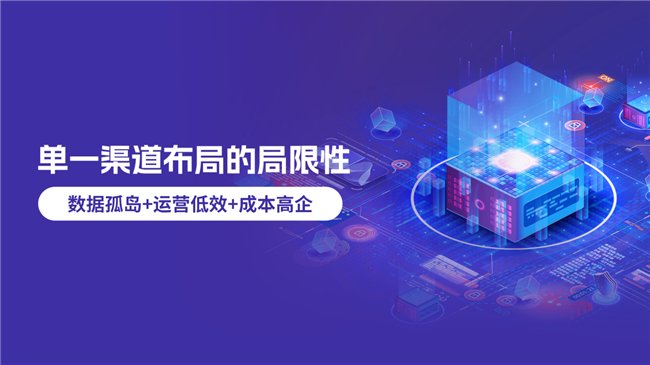
However, the limitations of single-channel deployment are becoming increasingly apparent:
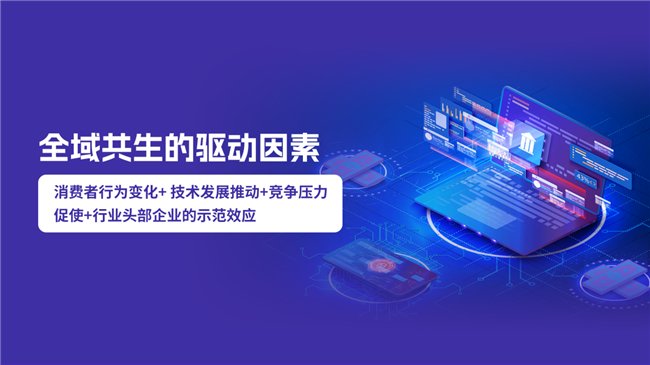
Consumer Behavior Changes: With the diversification and fragmentation of shopping paths, consumers expect a consistent shopping experience across different channels and desire personalized, customized services. (For example, Generation Z’s cross-channel shopping rate reaches 79%.)
Technology Development Drives: Continuous innovation in technologies such as big data, AI (especially in 2025, the application of AI technology will become more widespread), and cloud computing empowers automated and intelligent marketing and sales, helping brands more accurately understand consumer needs and behavior patterns.
Competitive Pressure Forces: Intensified market competition and rising customer acquisition costs compel brands to improve user retention and repurchase rates through omnichannel and private domain integration and symbiosis.
The Demonstrative Effect of Industry Leaders: Many leading enterprises have achieved significant results through omnichannel and private domain integration and symbiosis, driving more companies to follow suit and explore.
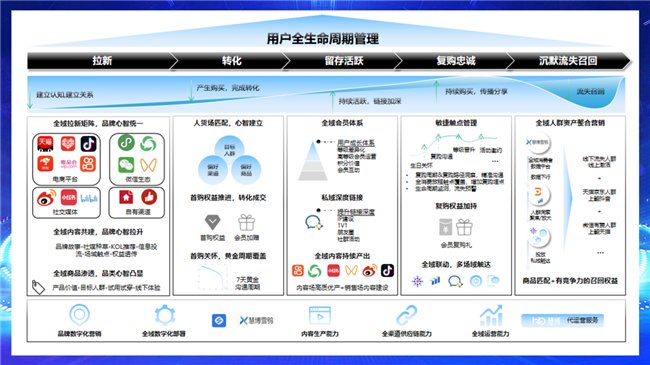
The core of omnichannel and private domain integration and symbiosis is to convert public domain traffic into private domain assets through data integration, member interoperability, and scenario linkage, and then use private domain services to feed back into public domain conversion, forming a closed loop of “traffic acquisition – deep operation – sustained transformation.” This effectively enhances user experience, optimizes marketing effectiveness, and strengthens corporate competitiveness.
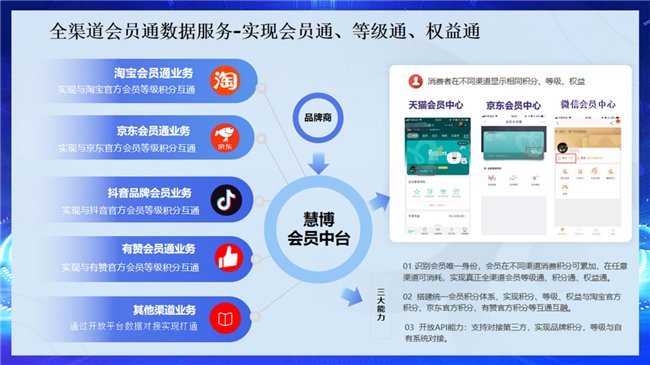
For example, the “Omnichannel Member Interoperability” solution proposed by a certain technology company connects member systems across channels like Tmall, JD.com, Douyin, and WeChat, enabling points, levels, and benefits to be interoperable. This allows consumers to receive a consistent experience regardless of which channel they use to contact the brand.
Omnichannel and private domain integration and symbiosis is not just a technological upgrade but also a transformation in organizational and strategic thinking. Enterprises need to shift from “channel thinking” to “user thinking,” driving full-chain operations with data.
Core Logic: Content seeding and data feedback form a closed loop.
Specific Operational Steps:
(1) Social Media Platform Seeding:
Utilize social media platforms like Douyin and Xiaohongshu to publish high-quality content to attract user attention.
Guide users to follow the brand’s private domain accounts, laying the groundwork for private domain traffic.
(2) E-commerce Platform Precision Placement:
Leverage the customer analysis system of service provider CRM systems to form target customer group profiles and tags, and translate these tags to precisely target audiences in public domain advertising selections.
Place precise advertisements through e-commerce platforms (e.g., Tmall), combined with live streaming带货, to effectively guide public domain traffic into the private domain.
Practice Case:
Background: This chicken tail wine brand originally relied too heavily on the Tmall channel, with low conversion rates for external members and limited GMV growth during major promotions.
Strategy: The technology company adopted a “crowd translation” strategy, seamlessly connecting the brand’s millions of members from private domain pools like WeChat and Youzan with its Tmall member system.
Execution:
Customize “dual-end membership” benefits, such as recruiting Tmall members through social media to enhance member interaction and stickiness.
Link with store live streams for interaction to increase user participation and brand exposure.
Utilize KOCs on Xiaohongshu and Douyin for content seeding to achieve cross-channel引流 and expand brand influence.
Results: During the 2024 Double 11 promotion period, the private domain人群 contributed over 5 million+ in GMV for the brand. Member repurchase rate显著 increased by 21%, new customer binding rate grew by 59%, effectively broadening the brand’s user base.
Core Logic: Word-of-mouth传播 from private domain users and social裂变 attract new users, while private domain data feedback optimizes public domain marketing strategies.
Specific Operational Steps:
(1) Word-of-Mouth Practice:
Encourage private domain users to share and recommend the brand, leveraging the传播 power of social networks to attract new users.
New users follow the brand’s public domain accounts, expanding the brand’s public domain influence.
(2) Data Feedback Optimization:
Deeply analyze private domain data to understand user needs and behavior patterns.
Provide data support for public domain marketing strategies to achieve precision marketing.
Practice Case:
(1) A Jewelry Brand’s “Member Sharing for Benefits” Campaign
Background: Facing high public domain advertising costs and difficulty in acquiring high-quality customers.
Strategy: Launch a “member sharing” campaign within the private domain (WeChat community), where existing members receive points or coupons for successfully inviting new members.
Execution:
Design tiered incentive mechanisms to motivate core members to actively share.
Synchronize sharing materials and links across private and public domains (e.g., official website, Tmall store) to lower the sharing barrier.
Track sharing effects in real-time through the private domain backend and adjust strategies promptly.
Results: Within one month, over 30% of private domain members participated in sharing, bringing in more than 50,000 new potential customers. The customer acquisition cost decreased by 35% compared to pure public domain advertising, and the conversion rate of the introduced traffic increased by 20%.