Editor’s Note
LVMH’s latest results signal a challenging period for the luxury sector, marked by declining sales and emerging operational concerns.
LVMH Group’s financial report for the first half of 2025 shows a decline in both revenue and profit. The ‘Fashion & Leather Goods’ division, which includes brands like LV and Dior, performed the worst, with organic revenue dropping by 7%. Concurrently, brands such as LV and Dior are facing issues of customer data breaches, casting a shadow over brand development. Luxury industry experts point out that the luxury market is entering a downturn phase and moving into an era of value-for-money, necessitating brands to upgrade their service models with a focus on customer value.
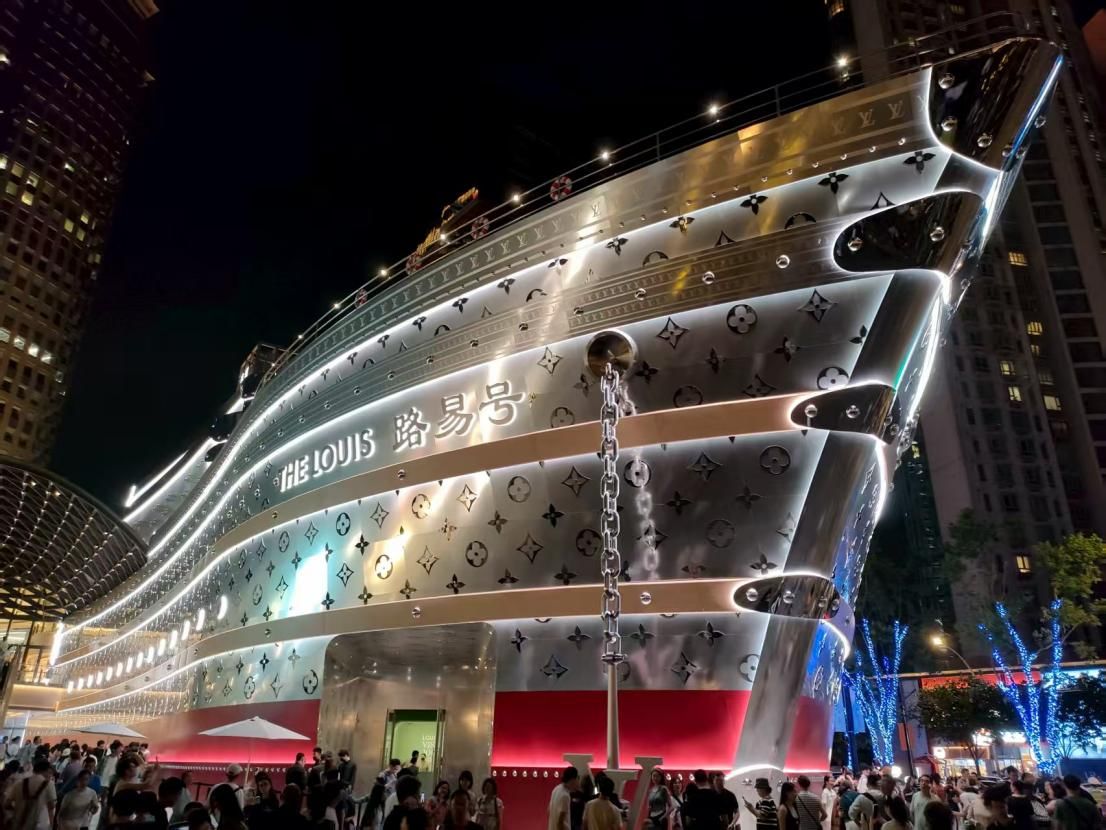
On the evening of July 24, LVMH Group, one of the world’s top three luxury conglomerates, released its H1 2025 financial report. The report indicates that the group’s total revenue and profit both declined. Total revenue fell by 4% year-on-year to 39.81 billion euros; recurring operating profit dropped by 15% to 9.01 billion euros, while net profit decreased by 22% to 5.69 billion euros.
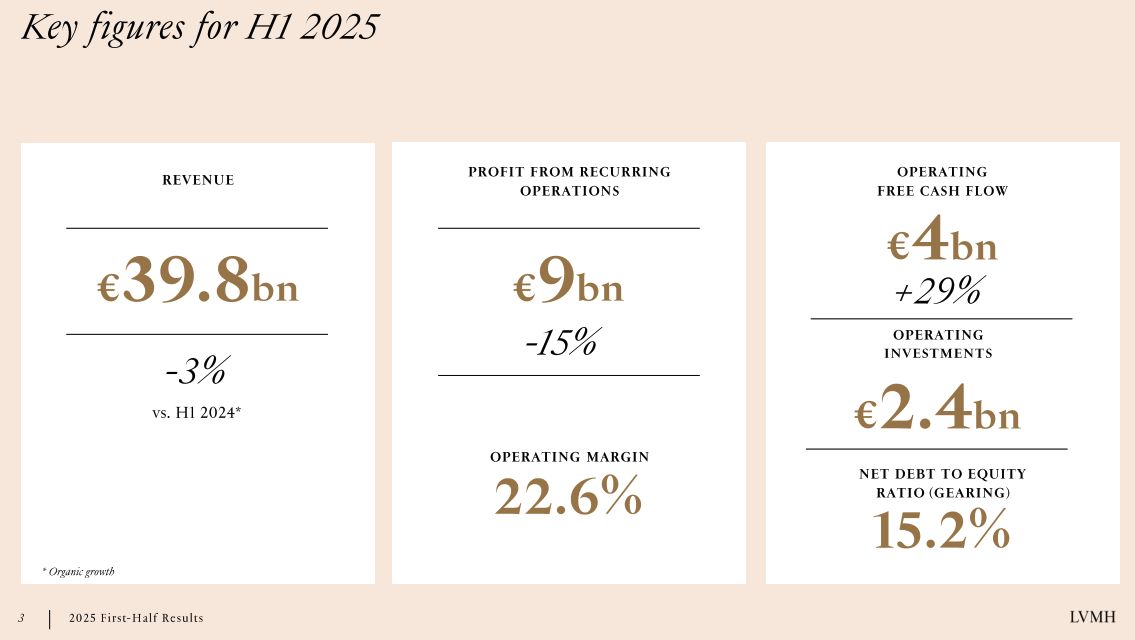
The ‘Fashion & Leather Goods’ division, which serves as the performance pillar for LVMH Group, accounting for about half of its business, performed the worst. This division, containing brands like LV and Dior, saw its organic revenue decline by 7% in the first half of this year, with a 9% year-on-year drop in the second quarter alone.
Boosting sales has become an urgent need for top luxury brands. However, over the past three months, Dior and LV have successively experienced customer data breach ‘incidents’, further clouding brand development.
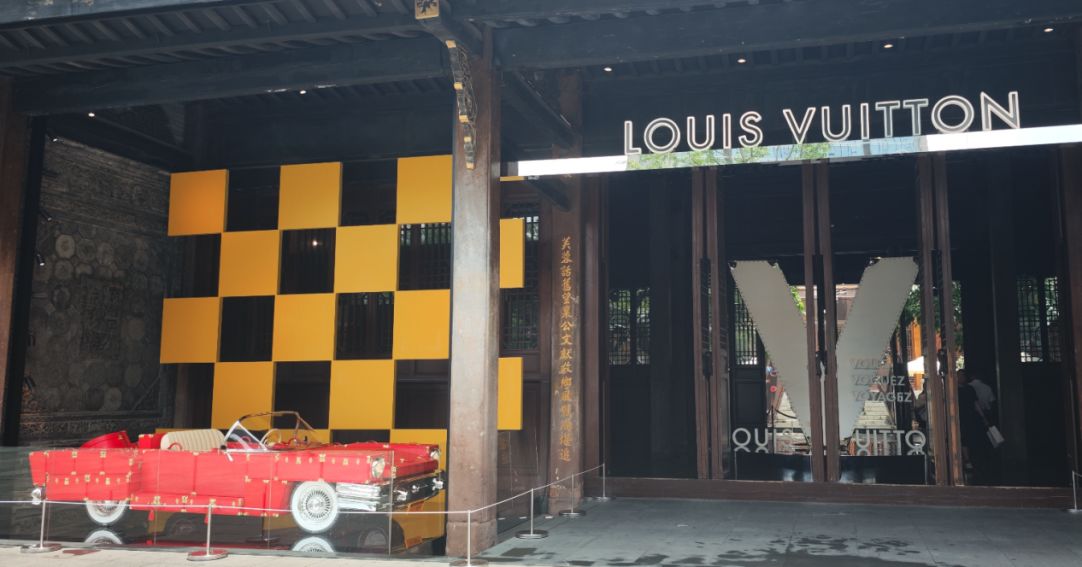
To boost sales and attract potential customers, top luxury brands are also pulling out all the stops. This year, LV’s ‘big ship’ in Shanghai, the ‘Louis Vuitton Voyager’, frequently trended on social media, with its ‘boarding passes (visit tickets)’ and ‘dining’ experiences being highly sought after. LVMH Group also mentioned the ‘Voyager’ in its latest financial report, stating that LV continues to demonstrate creativity by constantly reinventing its iconic products and unique brand experiences. The ‘Voyager’ embodies the ‘spirit of travel’ that LV has adhered to since its founding in 1854.
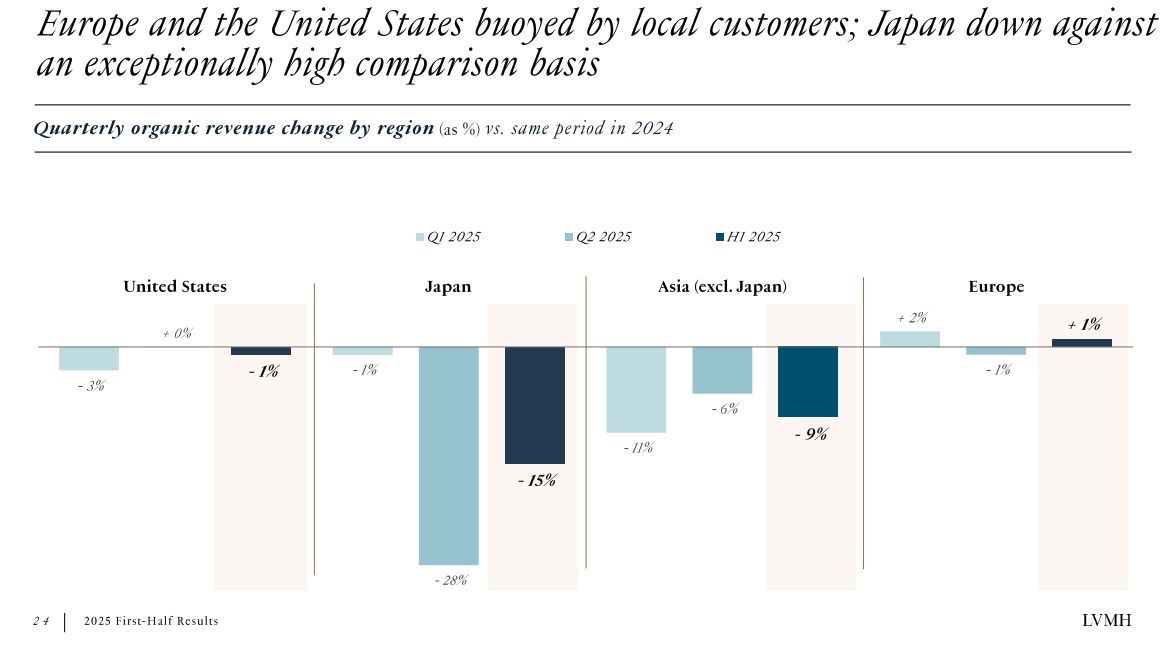
However, just as LV was attracting customers with grand events, news emerged (on July 19) that it was being investigated by Hong Kong’s Privacy Commissioner for Personal Data for allegedly leaking information of approximately 420,000 luxury buyers. Its ‘sister’ brand Dior also admitted to a ‘leak of Chinese customer information’ in May this year. This undoubtedly serves as a wake-up call for luxury brands eager to boost sales: how to find a balance between increasing sales and protecting user privacy?
The overall luxury industry is facing systemic risks. Zhou Ting believes that brand value-for-money will gradually give way to product value-for-money and service value-for-money.
Nevertheless, China remains a core global luxury market. According to the latest data from the Key Account Research Institute, in the first two quarters of 2025, the Chinese luxury market contributed a total of 517 billion yuan in sales and drove approximately 5 trillion yuan in related high-end consumption industries to achieve counter-cyclical growth. Notably, in 2024, 278 monitored luxury brands opened about 350 new stores in China, while 89 brands completed renovation and upgrades for a total of 430 stores.