Editor’s Note
Maggie Cheung’s social media debut highlights the enduring power of celebrity influence in shaping luxury trends, demonstrating how legacy brands like Tiffany & Co. continue to capture public attention through strategic cultural moments.
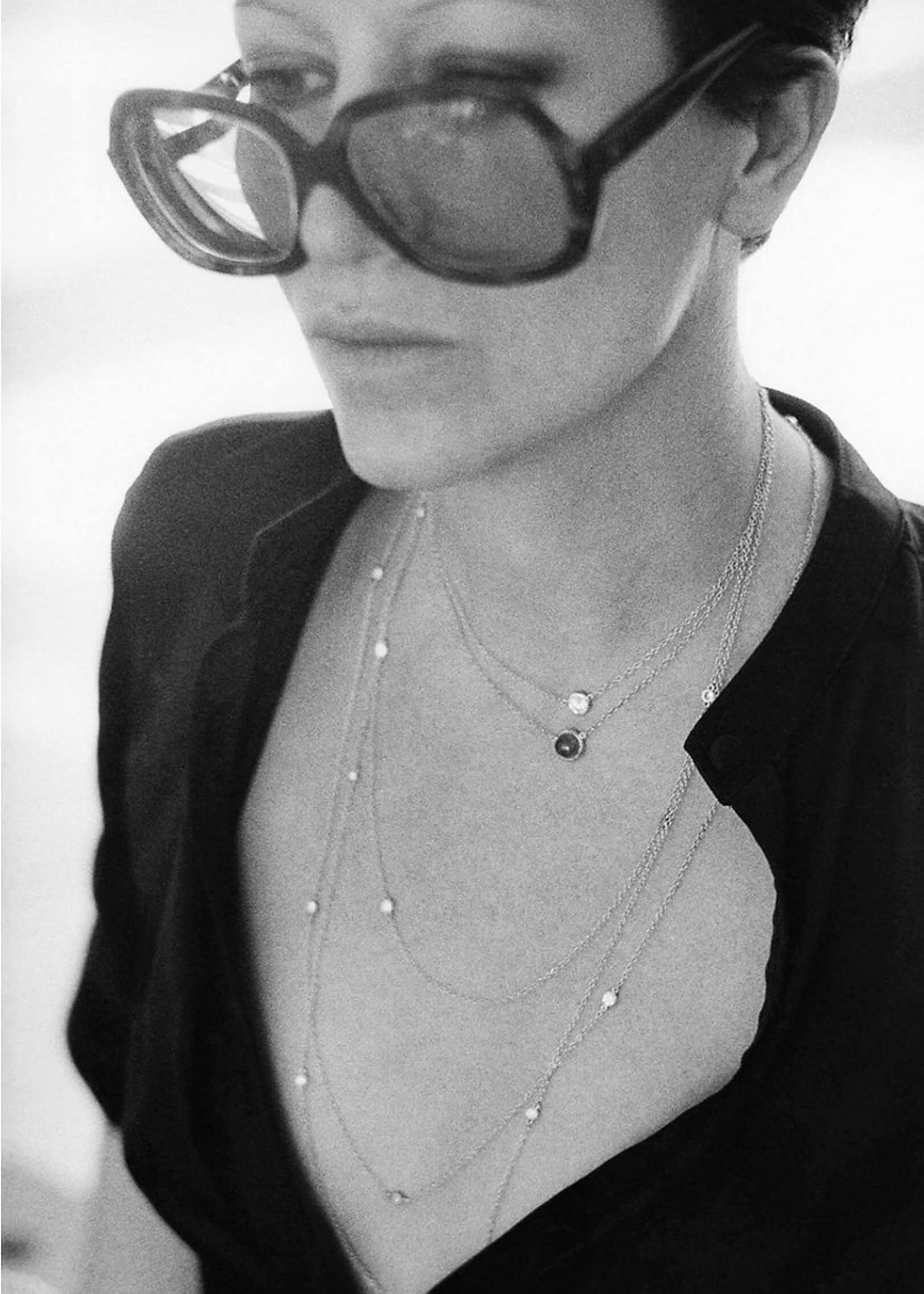
Recently, the first Vlog posted by international film star Maggie Cheung on Xiaohongshu has garnered widespread attention. In the video, several pieces of Tiffany & Co. jewelry she wore became the focal point, with the HardWear series chain necklace quickly trending on the platform, amassing over 50 million views on related topics. This is not the first time Tiffany has gained popularity through celebrity influence, but the deep transformation underway at this 188-year-old jewelry brand is noteworthy.
In 2021, the world’s largest luxury group, LVMH, completed its acquisition of Tiffany for $15.8 billion, setting an industry M&A record. Behind this “marriage of the century” lies Tiffany’s urgent need to break through its growth challenges. According to financial reports, in 2023, LVMH’s Watches and Jewelry division (including Tiffany) saw revenue grow by only 3% to €10.9 billion, a significant slowdown from the 18% growth in 2022. In the first half of 2024, revenue for this division fell by 2% year-on-year, making it the only segment within the group to decline.
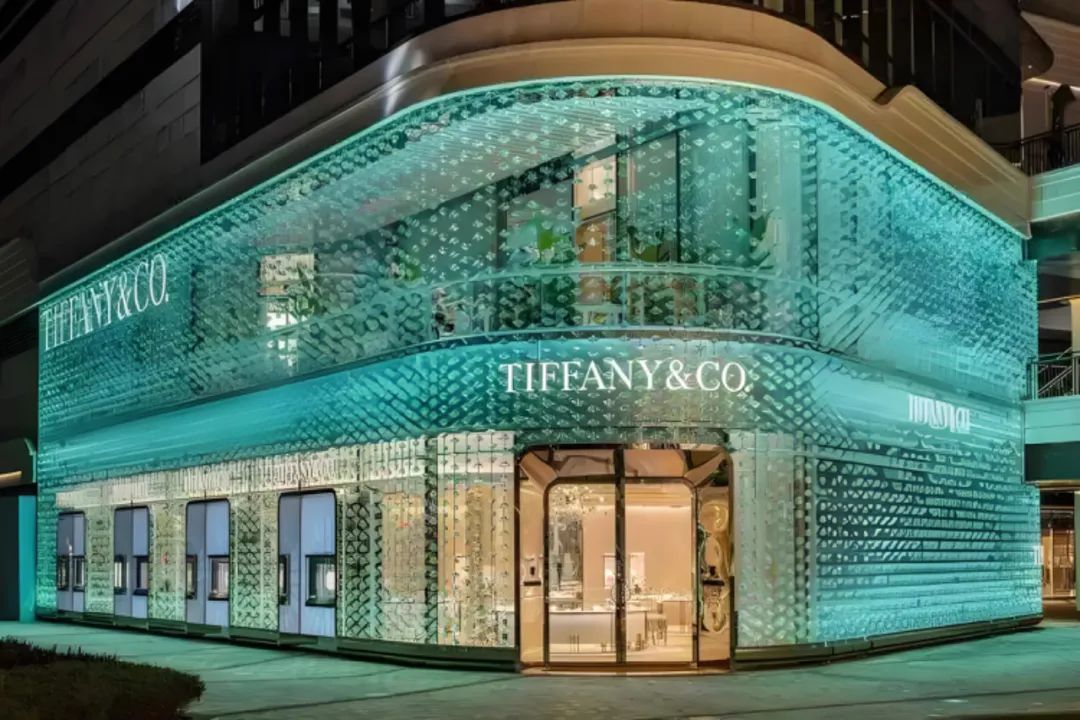
In contrast, the Chinese market is becoming a key growth engine for Tiffany. To counter weakness in the U.S. and European markets, Tiffany is accelerating its expansion in China, focusing on offline boutique experiences and comprehensive online marketing. In 2024, it downsized its flagship store at Shanghai’s Hong Kong Plaza while opening a new store at Nanjing’s IFC and adding VIP salons, with plans to continue expanding in Beijing and Shanghai in 2025. Online, Tiffany entered Tmall Luxury Pavilion in 2024 and launched its Knot and Lock series new products online first in the Chinese market. Statistics show that Tiffany’s global online sales proportion has increased to 15%.
Maggie Cheung’s organic “word-of-mouth” promotion is no accident. In recent years, Tiffany has built a systematic celebrity marketing matrix. Globally, it has signed top stars like Beyoncé and BLACKPINK’s Rosé to maintain brand prestige. In China, it has partnered with new-generation idols like Jackson Yee and Liu Haoran to enhance its image among young consumers, while leveraging platforms like Xiaohongshu and Douyin to create a KOL seeding system.
Tiffany’s bold crossovers are equally eye-catching. Its 2023 collaboration with streetwear brand Supreme sold out immediately upon launch, with resale prices doubling. The pure silver tennis racket launched the same year, priced at a staggering 90,000 yuan, successfully created a social media buzz.
Of course, along with the buzz comes brand controversy. The Supreme collaboration was criticized for “deviating from its high-end positioning,” and the exorbitantly priced silver tennis racket was mocked as “the most impractical luxury item.” To cater to Gen Z consumers, Tiffany launched an eco-friendly collection using recycled metals, but has not disclosed its sales proportion.
Facing a global slowdown in luxury market growth, despite frequent marketing moves, Tiffany still confronts severe challenges.
In response, Tiffany is reducing the proportion of lower-priced silver jewelry and moving towards the higher-end jewelry market. However, amid the broader economic downturn, whether middle-class consumers have strong purchasing intent remains a question mark. While China is one of Tiffany’s fastest-growing markets, its local operational strategy seems to remain at conventional, less innovative tactics like local celebrity endorsements. Meanwhile, competitors like Cartier and Bulgari are performing more strongly, intensifying competition in the Chinese market.
From Maggie Cheung’s Xiaohongshu Vlog to the high-priced tennis racket, Tiffany never lacks attention and buzz. But the brand’s long-term success still relies on product strength and premium experiences. With the backing of LVMH, Tiffany is undergoing a transformation from a traditional jeweler to a modern luxury brand. How to maintain growth amidst economic fluctuations may be the greatest test for the century-old brand Tiffany.