Editor’s Note
This article highlights a critical, often overlooked aspect of luxury watch ownership: the after-sales experience. While brands excel in craftsmanship and marketing, inconsistent service timelines and pricing can undermine customer loyalty. As the industry evolves, standardizing and demystifying this process is essential for maintaining trust.
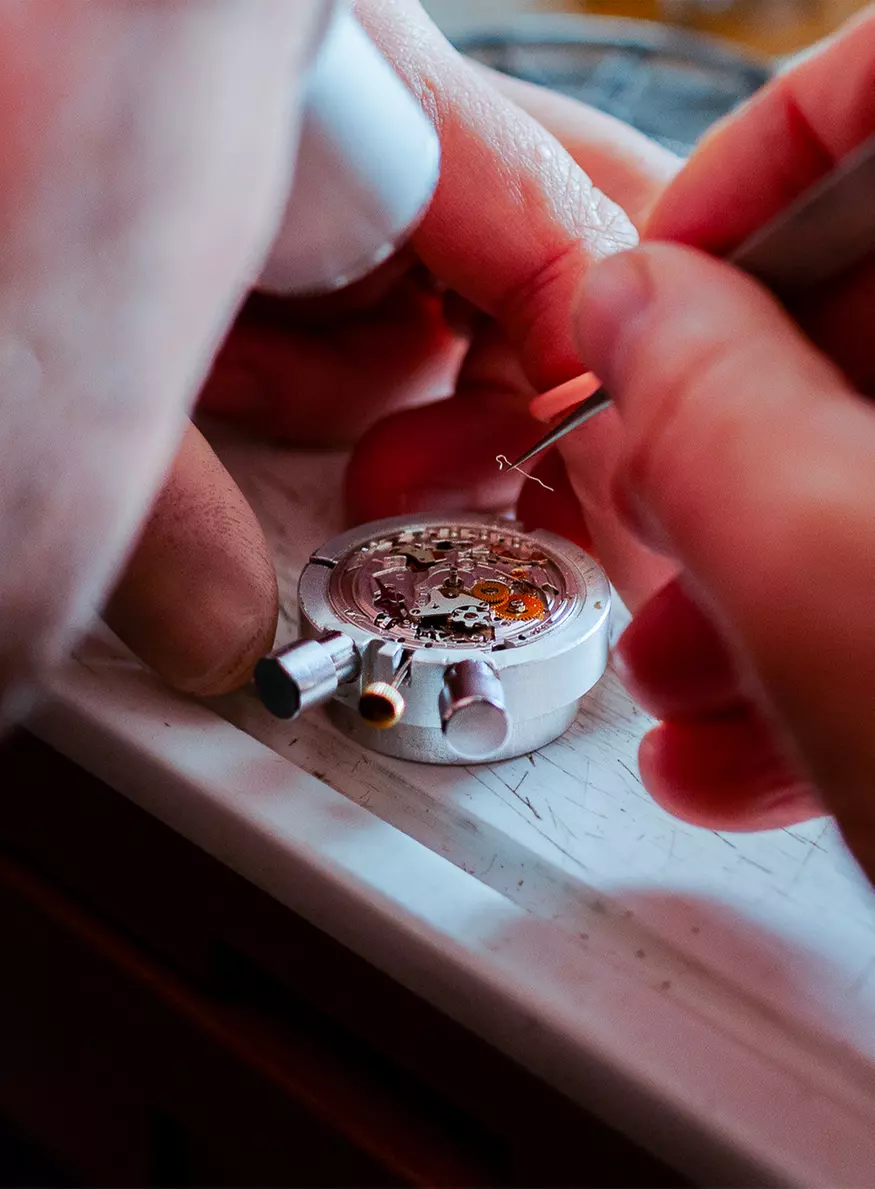
In the automotive industry, dropping off your car for service is a straightforward process with generally clear costs and controlled timelines. In watchmaking, however, after-sales service remains a territory of uncertainties: endless waits and opaque invoices often tarnish the customer experience. Yet, watchmaking houses, which cultivate excellence in their workshops and communication, sometimes leave their customers helpless when a repair becomes necessary.
The watch market in France is flourishing, with nearly 10 million pieces sold annually for a turnover of around 1.5 billion euros… of which nearly 10% comes from after-sales service.
So why is there such a “blind spot” in the customer experience?
Far from being incidental, servicing is often the key to customer loyalty. However, delays are unexplained in watchmaking – over three months for sometimes minor repairs – while costs, often deemed excessive, arbitrarily hover around 10% of the watch’s value in a range of €150 to €750, with no precise explanation. The shortage of qualified watchmakers exacerbates this phenomenon in an industry where the growing technical complexity of timepieces demands exceptional expertise.
For the customer, this slowness and lack of communication give the impression of brands disengaging, despite their strong presence at the point of sale.
In some cases, brands require their customers to go exclusively through their retail points, even for simple services like replacing a strap, an operation that an independent watchmaker could perform.
The platform Dialicious, dedicated to sharing among enthusiasts, reveals this weak but highly impactful signal of customer expectations. Xavier Sillon, founder and inventor of the “TripAdvisor of watchmaking,” collects internet users’ reviews of their watches. With several thousand customer comments on nearly 500 brands, his analysis clearly illustrates the issue:
Meanwhile, brands are responding to the demand for services… by extending warranties, as seen with Seiko or Baume & Mercier on certain models.
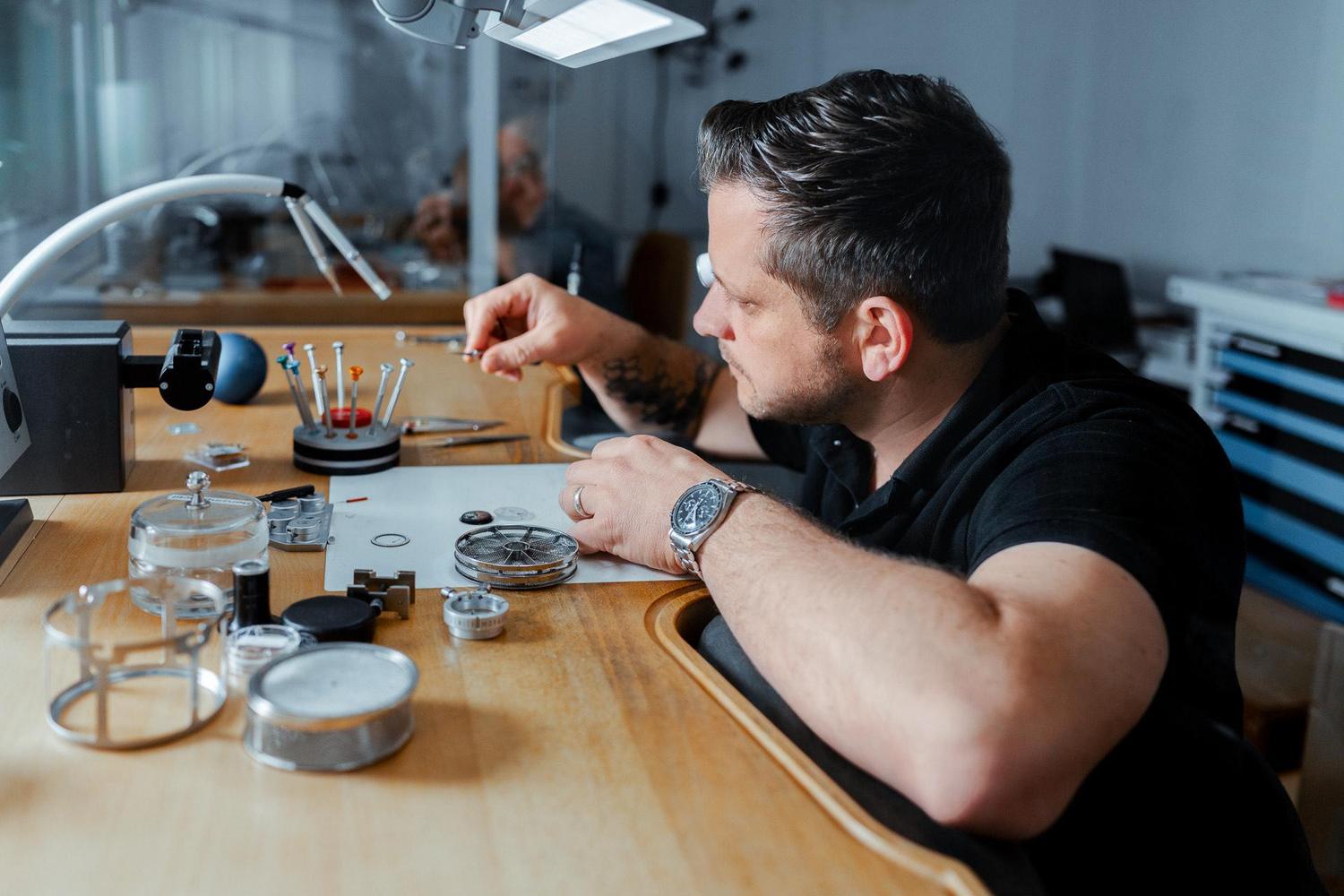
Faced with these dysfunctions, independent watchmakers are redefining the standards of servicing by adopting a more commercial, human, and efficient approach. Exemplified by the Atelier Horloger led by Sébastien Kaeser in Colombier (Neuchâtel), these players, certified by major manufacturers like the Swatch Group and Richemont for Sébastien, offer transparent, competitive, and customer-centric solutions. Here, there are no standardized packages or endless waits: costs are adjusted to real working time, allowing repairs up to 50% cheaper than at manufacturers, and timelines are often halved. In less than a month, your watch is back on your beloved wrist. The slogan of the Atelier Horloger says it all:
It illustrates this promise by combining transparency, speed, and personalization, while paying homage to Omega and the Apollo lunar missions in this adapted slogan. However, such initiatives remain rare. Sébastien Kaeser highlights a constant challenge: some brands hesitate to supply components to independents, forcing customers to go to boutiques for simple services like changing a strap, a practice perceived as restrictive and incompatible with quality customer service.
In Paris, at Atelier du Temps, Guillaume Gaulis perpetuates watchmaking excellence with recognized expertise. As a certified independent Rolex watchmaker, he services watches with precision worthy of manufacture workshops. Each intervention is guaranteed for three years, a rare quality pledge for an independent in the world of haute horlogerie. Here, the customer experience goes beyond simple maintenance: exchanges between enthusiasts in the workshop, which also serves as a “vintage boutique,” expertise, and personalized support define every interaction.
A true sanctuary for lovers of fine timepieces.
These initiatives show that the customer experience does not end at the sale. After-sales service and the waiting period are critical moments where loyalty can waver, but they also represent levers to strengthen a lasting relationship. The numbers speak for themselves: one-third of customers switch brands after a poor after-sales experience, while 78% of loyal buyers believe the quality of after-sales service is as important as the product itself.
This generation is unburdened by purchasing “pre-loved” watches. And the number one characteristic of the main second-hand market is to offer serviced watches, with costs known and communicated to young buyers. Thus, education and the purchasing experience – including servicing – offer a new perspective on this global subject, whether it’s a first-time or second-hand purchase.