Editor’s Note
This article outlines Kering’s strategic shift under new leadership to reduce its reliance on flagship brand Gucci. The plan involves creating a dedicated investment vehicle, dubbed the “House of Dreams,” to nurture and scale emerging high-potential labels within its portfolio.
Luxury group Kering, recently reorganized under its new CEO Luca de Meo, is preparing to launch a dedicated structure to support and invest in high-potential brands. This “House of Dreams” is intended to materialize a strategy of expansion and diversification.
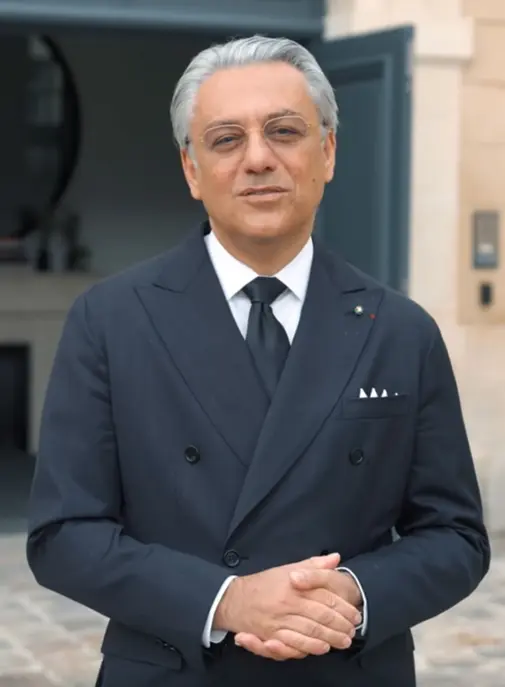
Luca de Meo, who took the helm at Kering in September, has never hidden his intention to reduce the strategic weight of Gucci. The Italian house, which accounts for nearly half of the group’s results, has seen its momentum wane in recent years.
The objective? To limit the risks of the group’s dependence on Gucci and its other houses, but above all to adapt its portfolio to a luxury sector that is more fragmented than ever, marked notably by the rise of local brands and the emergence of ultra-specialized players.
Among the priorities identified in the document reviewed by Reuters are initiatives focused on two key markets—India and China—with a particular emphasis on artisanal craftsmanship and cultural dimension. More broadly, the note also mentions a move towards “experiential technologies” valued by luxury consumers.
According to the same source, the “House of Dreams” structure is expected to begin with an initial 90-day test phase, although a specific launch date has not yet been announced. The structure will have its own fund and a dedicated team responsible for identifying high-potential niche brands and facilitating the necessary connections.
This initiative comes as Kering last month finalized the sale of its Beauty division and the creation of a joint venture with L’Oréal, a strategic move aimed at refocusing the group on its core businesses while giving it more room to maneuver on new innovation levers.