Editor’s Note
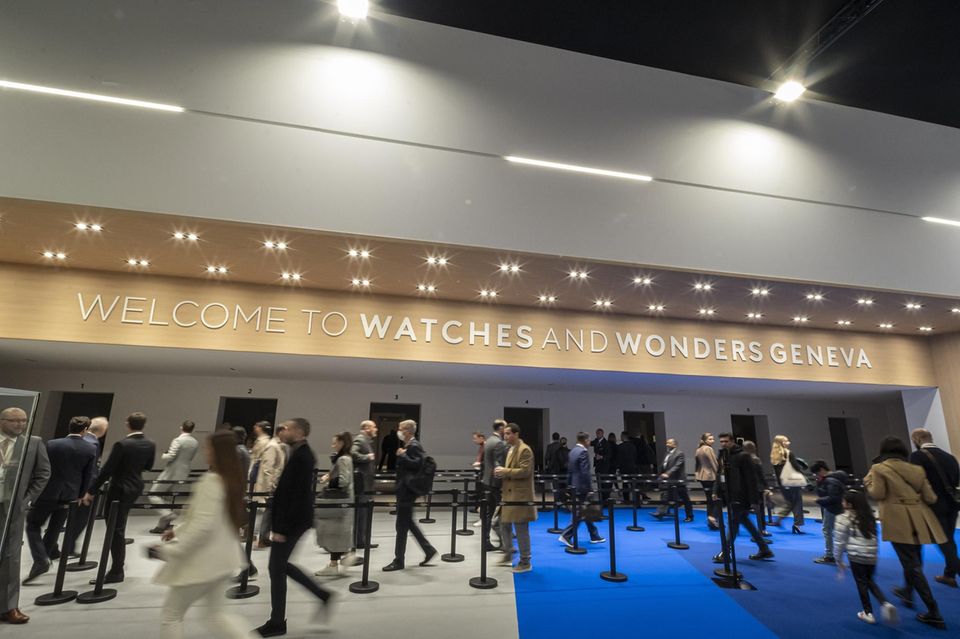
The watchmaking industry gathers in Geneva this April for Watches & Wonders, expecting strong attendance and showcasing new releases. Yet, as this preview notes, behind the celebratory atmosphere lie significant challenges the sector must address.
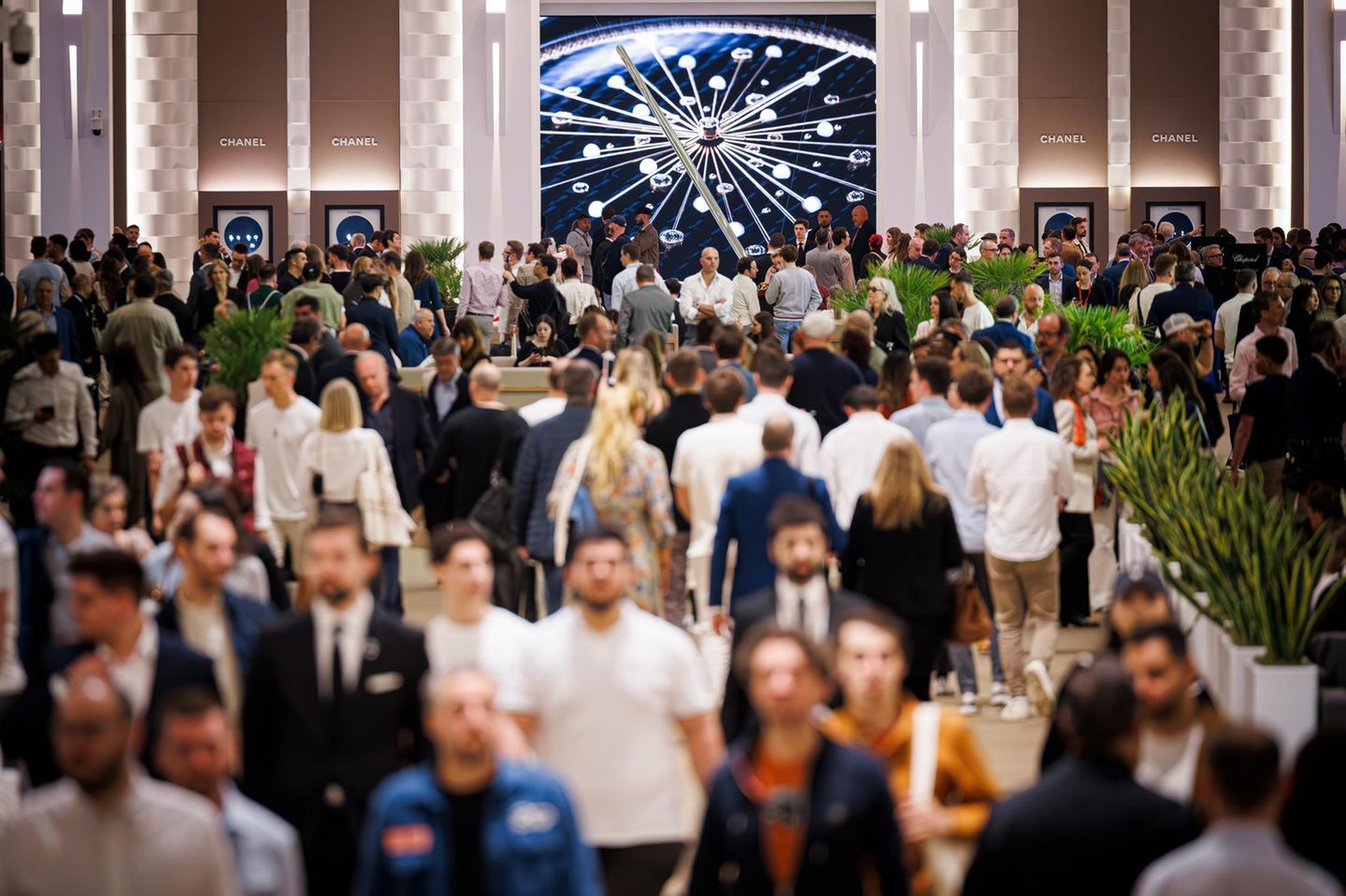
A full house is expected again this April, with around 50,000 trade and private visitors anticipated in the Geneva exhibition halls. At the Watches & Wonders fair in Geneva, approximately 60 manufacturers will present their novelties, and the industry will celebrate itself. However, it must also tackle some significant homework.
The past had more glamour. This description fits not only the new Hollywood, where “intellectual properties” like the Marvel Universe have replaced big stars as audience magnets. It also applies to large parts of the luxury goods industry (with exceptions like Hermès and Prada), which is currently mourning golden times. At LVMH, profit fell by 14% in 2024; at Kering, the decline was much more drastic at 46%. The more broadly priced Swatch Group also saw a significant drop in operating profit, from around CHF 1.2 billion in 2023 to CHF 304 million last year. Only Richemont delighted investors with its highest-revenue quarter ever – fueled by strong growth in Cartier’s jewelry business, while watch brands like IWC (minus 8%) had a harder time.
Nevertheless, the export figures for the Swiss watch industry, which fell by around 100,000 pieces in January and February alone compared to the same period last year, speak a fairly clear language. Despite winners and losers and purposeful optimism: the past definitely had more glamour!
Even Millennials and younger generations succumbed to the magic of mechanical watches. Wrist selfies of automatic movements cased in white gold were eagerly posted as status symbols and signs of personal style. During the pandemic, the luxury watch finally broke through as an investment and speculative commodity. Particularly coveted timepieces were “flipped” on the secondary or gray market hours after purchase with astonishing profits.
Then the Chinese economic dragon gradually ran out of steam. The consequence: high unemployment and increasing lack of perspective for many excellently educated young people. The unsettled middle class preferred to hold onto their money. Even the wealthy suddenly felt less desire for physical luxury goods and focused more on experiences like travel.
In Seoul, Bangkok, and Hanoi, the shopping frenzy also lost momentum, and with the recent fear of recession in the USA, the signs point to stagnation or decline – in both revenues and volumes. Whether it’s a handbag or a hand-wound watch.
On the Geneva Palexpo grounds, where trade visitors from nearly 130 countries are gathering this week, the mood should therefore be subdued. So far, however, the industry appears outwardly little impressed by the unfavorable situation. But can the watch industry really withstand the turbulence permanently?
Despite all the staging and grandeur: at its core, luxury watchmaking has remained a traditional craft.
Ilaria Resta told Capital in autumn 2024 that despite still pleasing figures for Audemars Piguet, she felt that compared to before, they had to switch back to active selling.
Here are ten challenges the luxury watch industry must face (without claiming to be exhaustive):
No easy task, especially since in February alone, according to the Federation of the Swiss Watch Industry (FH), exports of wristwatches fell by 8.2%. This decline was distributed across all major markets, from the USA (minus 6.7%) and China (minus 25%) to Great Britain (minus 1.9%) and Japan (minus 19.1%). Notably, North America and Japan were still the only major markets with significant growth for the full year 2024. A persistent weakness here would accordingly have major impacts. Alternatives like India, Vietnam, or the Philippines, as well as increased engagement in Europe and the Middle East, are likely high on the agenda.
After years where blockchain initiatives and other measures primarily focused on sustainability and social responsibility in raw material sourcing, it is now the spontaneous sanction whims of the Trump administration that will keep buyers, distribution professionals, and watch CEOs on their toes. After all, steel, one of the main ingredients for high-quality timepieces, is in the crosshairs.