Editor’s Note
This article highlights a significant shift in consumer priorities, where ethical and environmental considerations are increasingly driving purchasing decisions. As demand for transparency and sustainable practices grows, industries are being compelled to adapt, moving toward solutions like lab-grown materials and certified sourcing.
Today’s consumers are more aware of the ethical and environmental consequences of their purchases. Conflict diamonds, hazardous mining practices, and unsustainable production processes have come under the spotlight. Brands that do not offer transparency and sustainable practices risk reputational damage. This issue has created a growing need for lab-grown diamonds, recycled materials, and certified sourcing, prompting companies to overhaul supply chains and implement strict ESG (Environmental, Social, and Governance) standards.
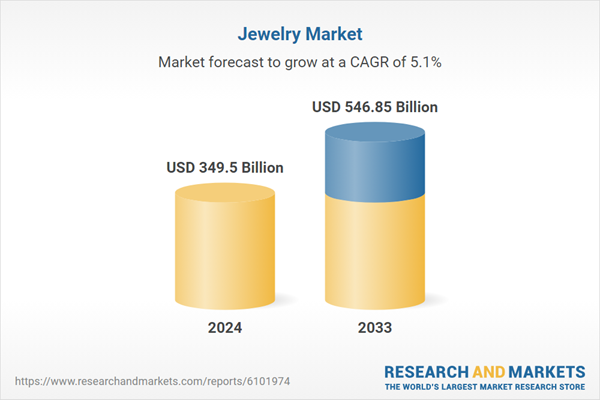
The Global Jewelry Market size was US$ 349.5 billion in 2024 and is expected to grow to US$ 546.85 billion by 2033, at a CAGR of 5.10% during the forecast period from 2025 to 2033. Rising disposable income, changing fashion trends, and a rise in demand for customized and luxury jewelry are major drivers of growth in both developed and emerging economies. The market thrives on cultural and ceremonial significance, e-commerce convenience, and technological innovation in personalized designs. Markets are strong in the US, India, France, and Saudi Arabia, with a rising interest in men’s jewelry and sustainability.
With the growth of global economies, especially in emerging economies such as China and India, higher disposable incomes and urban lifestyles have highly contributed to demand for jewelry. People are in a spending mood for luxury and fashion and perceive jewelry as a fashion statement as well as an investment. Higher consumption in gold, diamonds, and fashion jewelry categories is being driven by the growing middle class, particularly in the Asia-Pacific region.
The growth of websites has transformed jewellery retail, empowering consumers to seek out, configure, and acquire items from their homes. Try-ons using augmented reality (AR), virtual advisory sessions, and online certification services have established assurance in online jewelry buying. Influencer marketing and social media channels also fuel buyer interaction and advocacy. This e-convenience especially has drawn in Gen Z and millennial purchasers, fueling strong market growth.
Jewelry is highly cultural, religious, and emotionally charged in most parts of Asia and the Middle East. In India and other similar countries, jewelry is a part of weddings, festivals, and religious ceremonies. Gold, especially, is considered a symbol of prosperity, tradition, and good fortune. Such strong-rooted traditions guarantee stable demand even in times of economic recession.
The market for jewelry is extremely responsive to price movements of gold, silver, platinum, and diamonds. The prices of these commodities have a material impact on production expenses, retail prices, and purchasing behavior of consumers. For instance, a spurt in gold prices usually causes demand to slow down or switch to light and substitute products. This volatility makes inventory management, pricing, and profitability of manufacturers and retailers difficult.
Personalized jewelry – name necklaces, engraved rings, and birthstone accessories – is experiencing high demand as a result of its emotional significance and personalized appeal. Customers look for specially designed items that mirror individuality or celebrate occasions of significance. Advances in 3D printing and digital customization platforms enable brands to deliver customized products rapidly and cost-effectively. This trend is particularly favored among millennials and Gen Z, who are more inclined toward meaningful, unique pieces over bulk luxury products.
Branded jewelry is on the move as consumers increasingly trust and move toward established brands for quality guarantee, design creativity, and after-sales service. Global brands such as Tiffany & Co., Cartier, and Pandora are spreading their presence in Asia-Pacific, the Middle East, and Latin America. Branded products are also using influencer marketing, celebrity endorsements, and robust after-sales services to win consumer loyalty. The brand premium tends to facilitate higher margins even in price-conscious markets.