Editor’s Note
This analysis explores the volatile forces shaping the luxury sector in 2025, from shifting consumer confidence to the specter of disruptive trade policies. The path forward remains complex and fragmented.
Predicting the luxury market in 2025 is as easy as predicting the Melbourne weather. One day we’re looking at a resurgence in consumer spending habits, buoyed by brand confidence and ROI for reputable maisons. The next, Trump launches 39% tariffs at breakneck speed on the Swiss to derail the industry and leave the big wigs in Geneva cancelling their winter ski trip in virgin Matterhorn snow.
The market is at a crossroads, splintering into new avenues of private watch clubs hosted in five-star hotels to streetside vendors flipping the latest novelties for quick profits.
Fashion and accessories have cooled in key regions across Asia, while jewellery and watches have held up far better. Richemont’s latest update shows double-digit growth at its Jewellery Maisons, with Specialist Watchmakers softer, and LVMH reports a stable Watches and Jewelry division even as other categories wobble.
Auctions have become the clearest pulse check. While luxury CEOs shuffle through quarterly slides trying to spin the slowdown, collectors in Hong Kong are happily throwing HK$212 million (~$41.5 million AUD) at vintage Pateks and Daytonas.
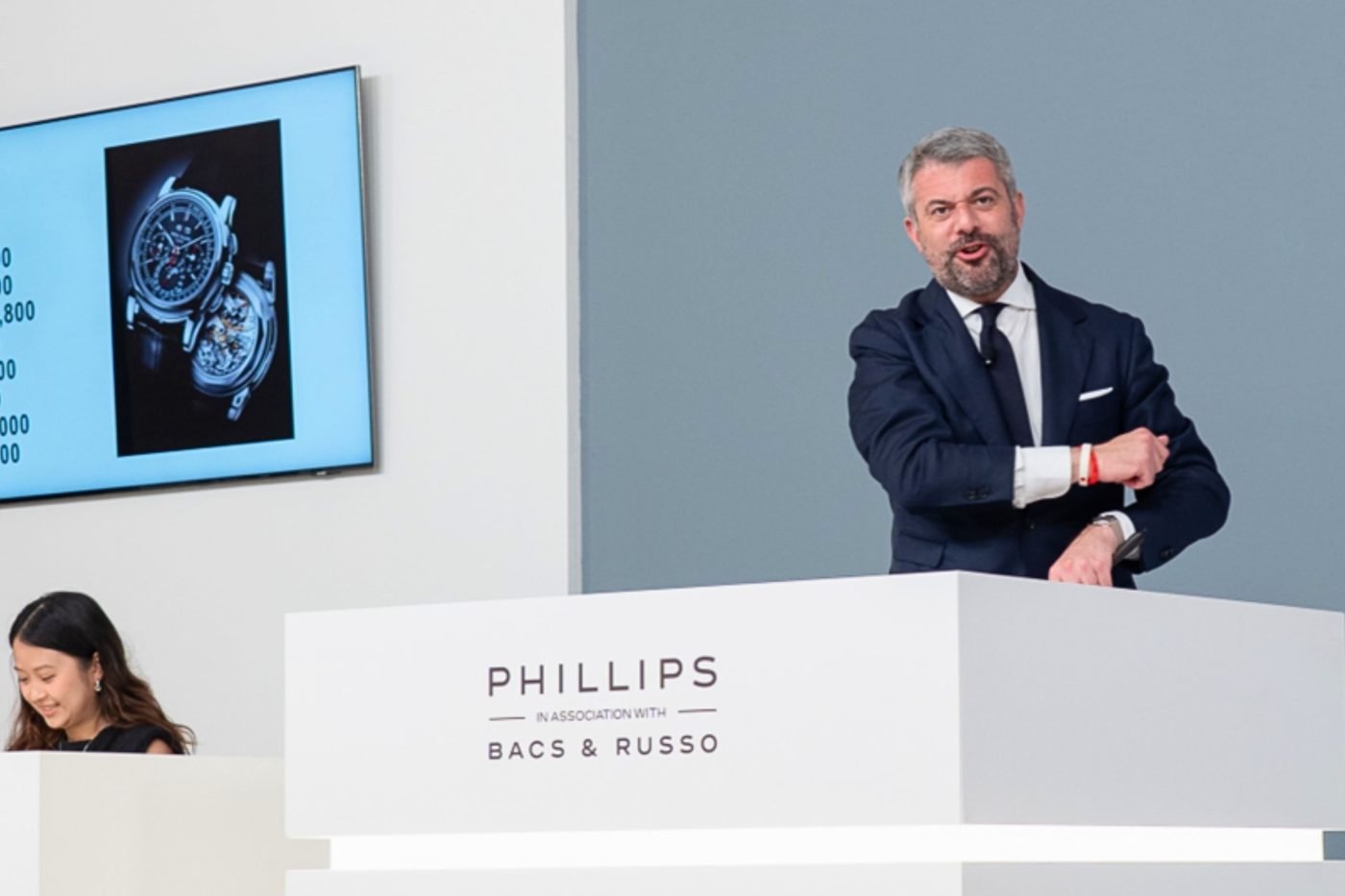
A one-of-one or a proven grail is safer than gambling on the flavour of the month. The record still belongs to Patek’s Grandmaster Chime at $31 million USD, a reminder that in watches more zeros equals more clout. Gen Z has clocked this too, according to BCG, reporting that more than half of them have upped their watch spend since 2021, and Sotheby’s claims a third of its buyers are now under 30.
These are not kids snaking around Pitt St to buy Swatches. They’re lining up for Rolex, OMEGA and Royal Oaks, and broadcasting it on TikTok with the same energy their parents once reserved for a new Porsche 911.
The twist is they’ll happily wear an Apple Watch at the same time. Which is perhaps the clearest indication for me that I’m no longer a 20-something with my finger on the Gen Z pulse. Call it hedging, call it dual citizenship, but it shows how watches have crossed back into cultural mainstream.
This shift exposes the fatigue with Swiss novelties, too. For years the industry has dined out on endless new references, unveiled at Watches & Wonders with a fresh dial colour or case material dressed up as news, but collectors are starting to see through the churn.
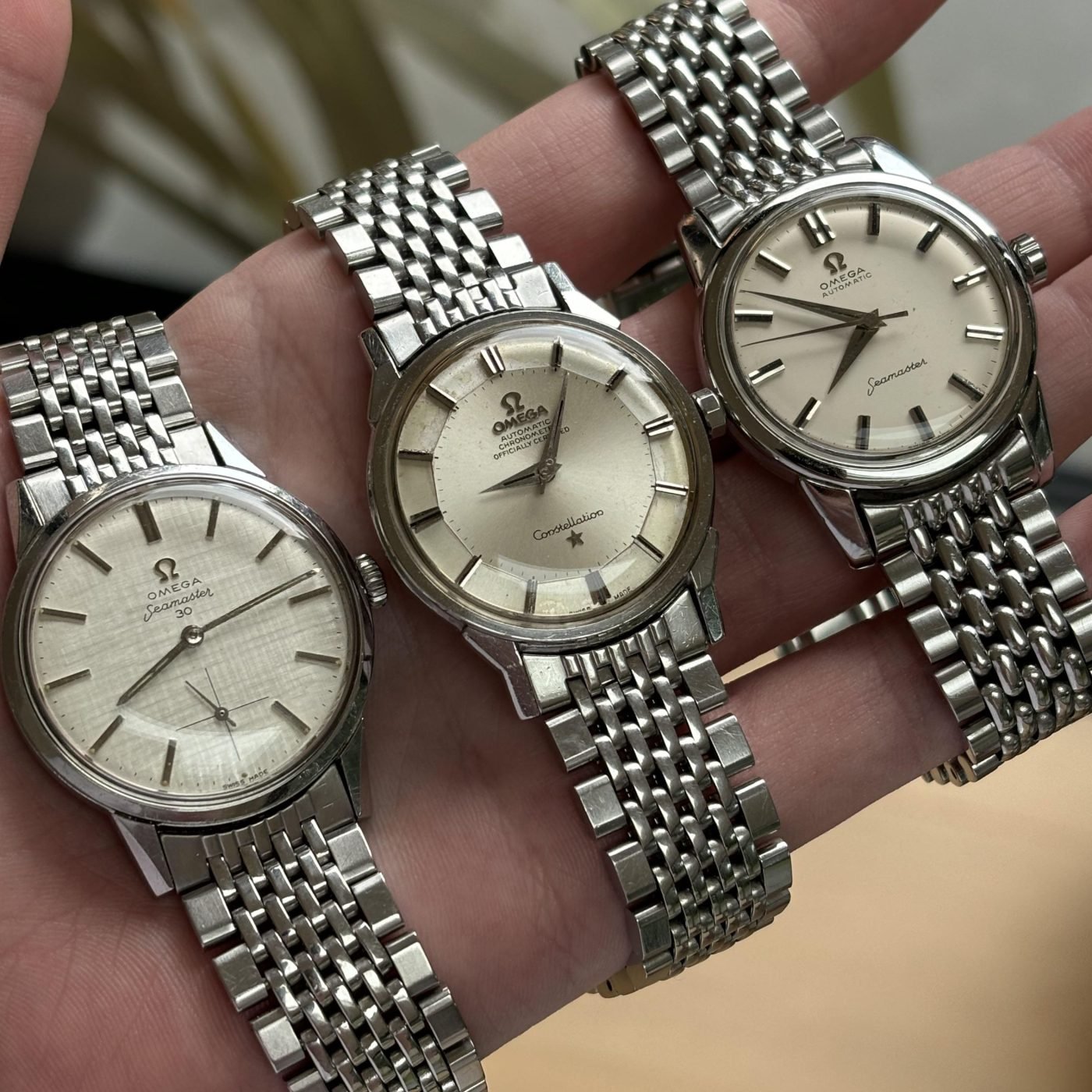
Many releases these days will sit on the wrists before vanishing into the aftermarket abyss within weeks. Compare that with a vintage Daytona or a Nautilus, it feels less like a trend and more like a passport into a world of permanence, history and community.
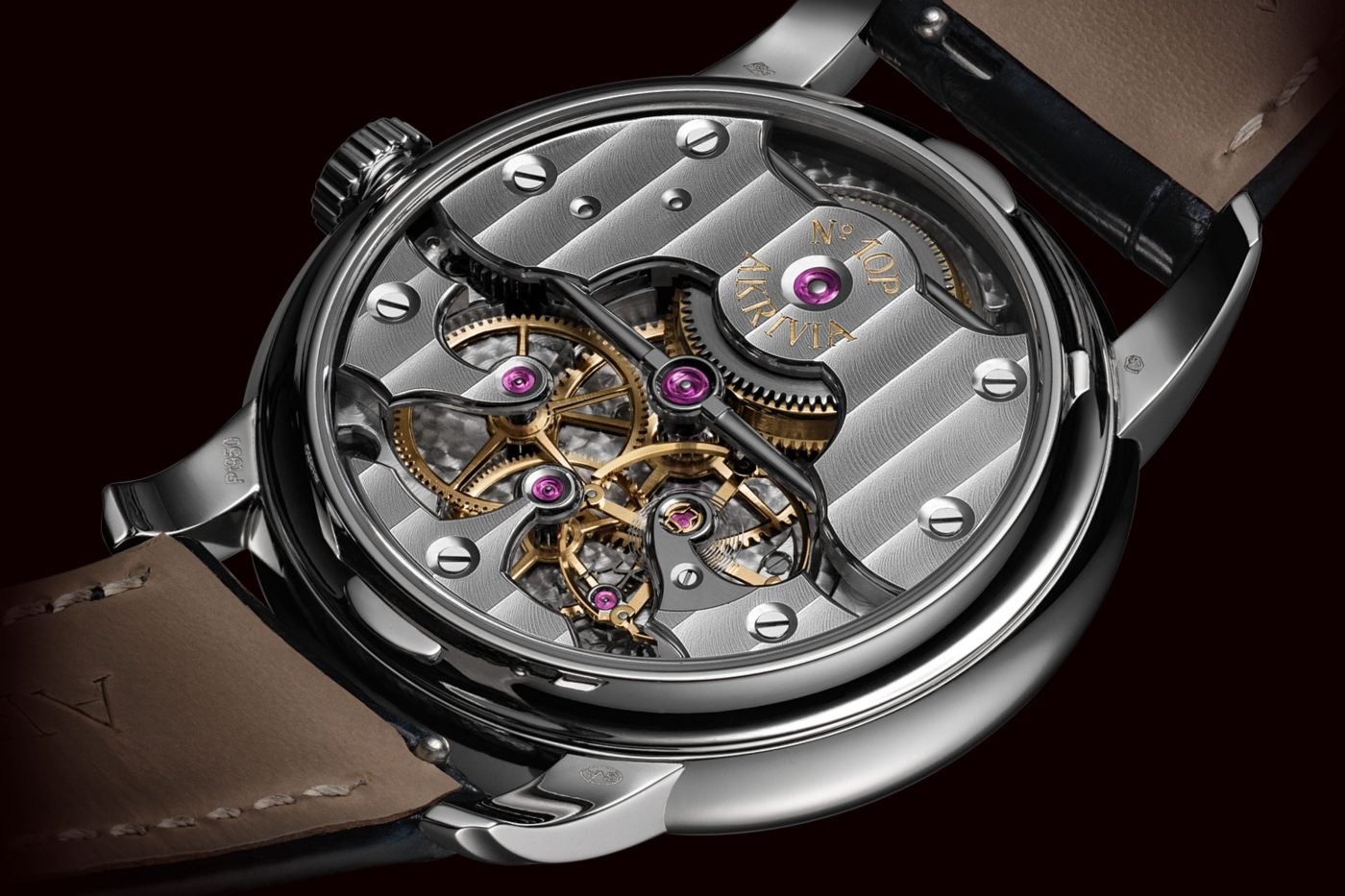
Independents like Kari Voutilainen, Rexhep Rexhepi, Raúl Pagès and, of course, your favourite billionaire’s favourite brand F. P Journe are feeding this desire for substance, not producing watches to chase cyclical trends. Some of the releases nominated for the the 2025 edition of the GPHG feel destined for the auction catalogue of 2050.
Rolex and Patek Philippe might skip the GPHG, yet the stage feels livelier than ever. Independents like Voutilainen, Laurent Ferrier, Parmigiani Fleurier and Urban Jürgensen are no longer just fringe players with their noses pressed against the boutique glass. They’re front row, trading blows with the Maisons that once dominated.
Put together, it paints a vivid picture for those of us trying to predict the market trends: permanence has become the ultimate luxury.
Collectors are finding horological gold in vintage pieces that deliver history and stability. Independents offer craft and authorship. Yet, both offer better guarantees in a market that feels bloated by disposable novelties.