Editor’s Note
This article explains the role of basic pay as the fixed, seniority-based core of an employee’s salary, which is used to calculate other allowances. It highlights a notable shift: the proportion of basic pay within the total salary package has declined from roughly 65% to about 50%.
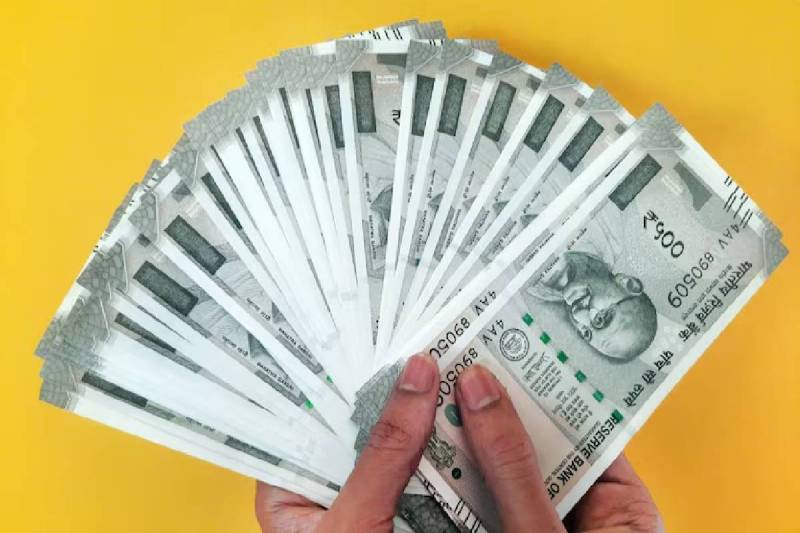
This is the main and fixed component of the salary, determined based on the employee’s promotion and seniority. It serves as the basis for calculating other allowances. Previously, the basic pay constituted about 65% of the salary, but now its share has decreased to approximately 50%.
Dearness Allowance is given to cope with inflation. It is a percentage of the basic pay, determined based on the Consumer Price Index (CPI). It is revised twice a year (in January and July). For example, if an employee’s basic pay is Rs 18,000 per month and the DA rate is 50%, they will receive Rs 9,000 per month as DA. Thus, the total salary will be Rs 27,000.
HRA is provided to employees for living in rented accommodation. It can be 27%, 18%, or 9% of the basic pay. This depends on the category of city (X, Y, Z) where the employee is posted. The rate is higher in metro cities.
This allowance covers travel/commuting expenses. It is a fixed amount, based on the employee’s pay level and city category. In some cases, the inflation rate is also applied to TA along with DA.
RK Verma, General Secretary of the Joint Employees Council, explains the calculation.