Editor’s Note
This article explores how the growing market for lab-grown diamonds is reshaping the traditional certification landscape. While trust and verification remain paramount for consumers, the rise of synthetics is prompting a shift in industry practices and standards.
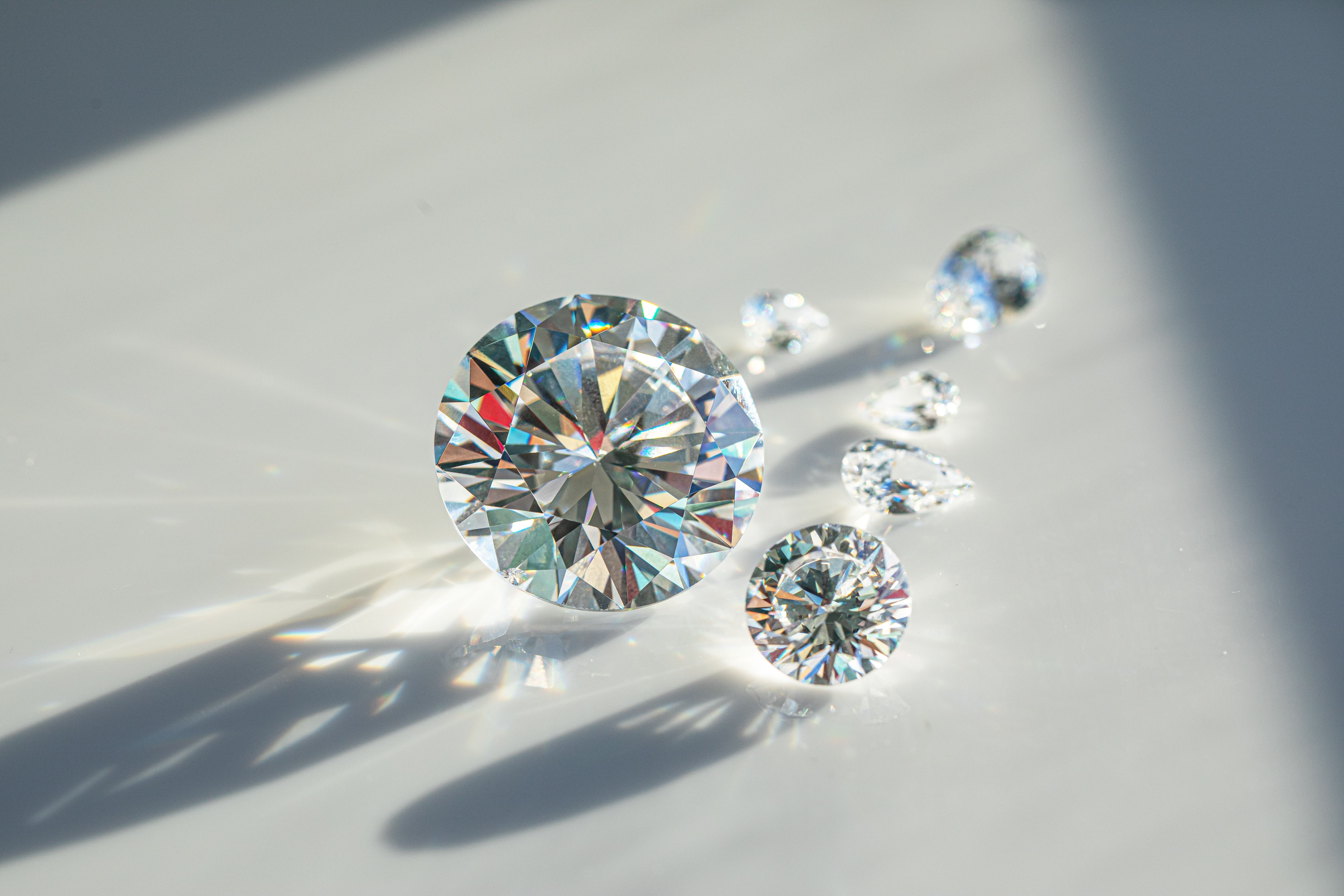
When you buy a piece of diamond jewellery—whether it’s a ring, a necklace, or a pair of earrings—what you’re really buying is more than just beauty. You’re buying trust. Trust that the diamond is real. Trust that it’s of the quality you were promised. And that’s where IGI—the International Gemological Institute—comes in.
Think of IGI as the quality checker for diamonds and gemstones. After diamonds are mined, they go through a journey—cutting, polishing, setting—and before they reach jewellers or consumers, they must be graded and certified. IGI evaluates everything from the cut, clarity, colour, and carat weight of the gem to whether it’s natural or lab-grown.
But they don’t just stop at loose stones. IGI also certifies finished jewellery—ensuring that every studded piece meets the highest standards of quality and authenticity.
With 19 labs across India and 31 worldwide, and using their proprietary grading software called Swiftcert, IGI brings consistency, credibility, and transparency to the entire jewellery ecosystem.
Certification and accreditation services: 99.1% of Revenue
The company provides certification of:
- Laboratory grown diamond (LGD): 60% of certification revenue
- Natural diamond (ND): 20% of certification revenue (ND and LGD used to be equal in 2021)
- Studded jewellery and coloured stones: 20% of certification revenue
Education & Traded goods: 0.9% of revenue: The company also runs educational institutions for gemmology & provides various courses related to gemology.

Globally, GIA (Gemological Institute of America) and IGI (International Gemological Institute (India)) are the two leading players in the industry. IGI holds 33% market share globally, while in India they command 50% market share. They serve 9 out of the top 10 diamond players in India.
Now, IGI grabbed investors’ attention not just due to business and industry dynamics but also for its key financial ratios, such as RoCE of 67.1% and operating margins of 60.0%. Besides this, in media interviews, the management has given guidance for 30% revenue growth.
However, actual numbers have not been able to keep pace with the forecast. The company reported ~6% YoY growth in Q4CY24 and a 17.3% YoY growth in CY24, which was notably below initial expectations.
in ₹ crore
| Q3CY23 | Q4CY23 | Q4CY24 | YoY | |
|---|---|---|---|---|
| Revenue | 250.1 | 249.9 | 265.0 | 6.0% |
| EBITDA | 137.2 | 128.4 | 152.2 | 18.5% |
| PAT | 109.6 | 78.4 | 113.7 | 45.1% |
| CY23 | CY24 | YoY | |
|---|---|---|---|
| Revenue | 898.0 | 1053.1 | 17.3% |
| EBITDA | 496.0 | 599.7 | 20.9% |
| PAT | 330.8 | 427.2 | 29.2% |

Source: NSE, Company reports; Note: IGI considers calendar year as accounting year.
Changing Consumer Preferences
As consumers move to LGDs the need for certification seems to be declining. As per reports, the polished wholesale prices of lab-grown goods are ~50-85% lower than natural diamonds. In this case, customers have started to cut out the cost of certification.
Not that the cost is too prohibitive, but now that the cost of acquiring diamonds has become cheaper, consumers are apparently not keen to go through this additional step. For jewellers, certification is more of an optional service rather than a unique selling point, it’s usually the customer who decides which certification they trust.
To a certain extent this is also confirmed by comments of leading Indian jeweller, Goldiam International. It has raised concern over the slowdown in diamond certifications during their recent conference call:
Large retailers are driving the change, asking suppliers to:
- Reduce certification costs
- Skip full certification on lower-value products
- Opt for partial certification in some cases
.png)
Global Slowdown and Uncertainty
Europe, which accounts for 25% of IGI’s revenue, is facing a slowdown. On similar lines, the US market, which is ~50% of the global LGD inventory (for the industry as a whole), the need for certification is weakening due to consumption slowdown.