Editor’s Note
This article explores the enduring cultural and financial significance of gold, as seen through personal stories of heritage and investment. As gold prices reach record highs, it highlights how this precious metal serves as both a tangible link to tradition and a strategic asset in modern portfolios.
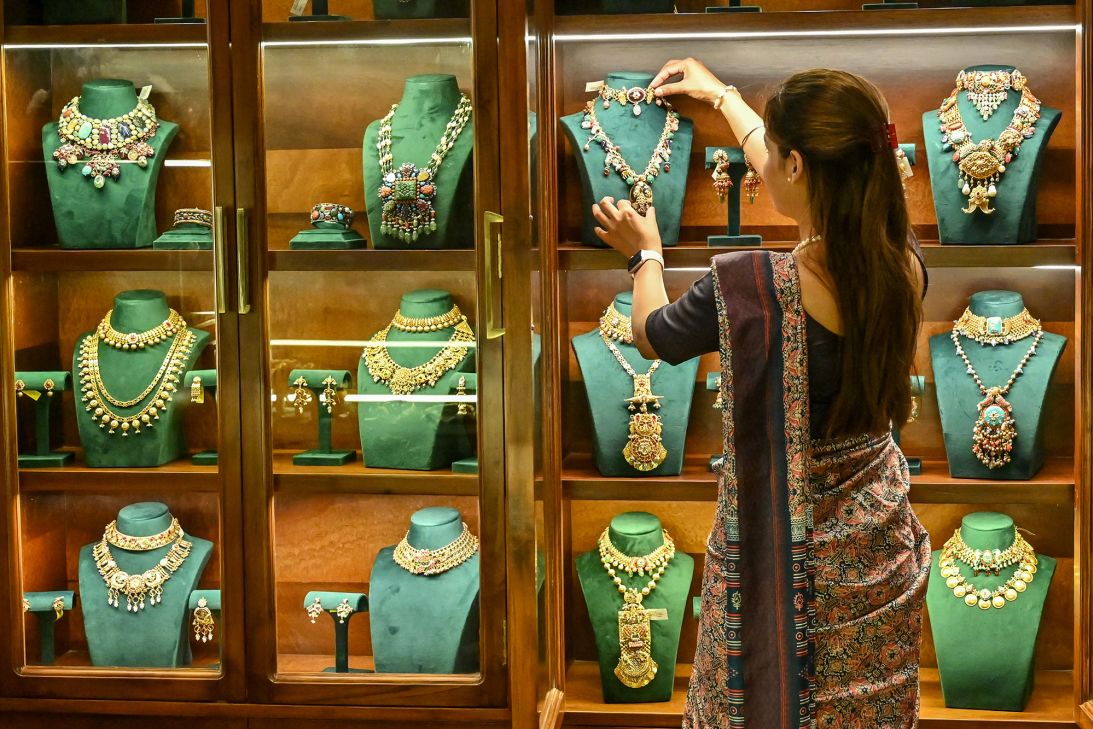
Every piece of gold that Farzana Ghani owns holds a memory. She has intricate jewelry sets from her mother-in-law from her wedding in Pakistan; a gold chain gifted from her mother after she performed the Hajj, the Muslim pilgrimage; and gold coins to celebrate her daughter’s birth. And she will keep investing in gold, as prices for the metal reach record highs.
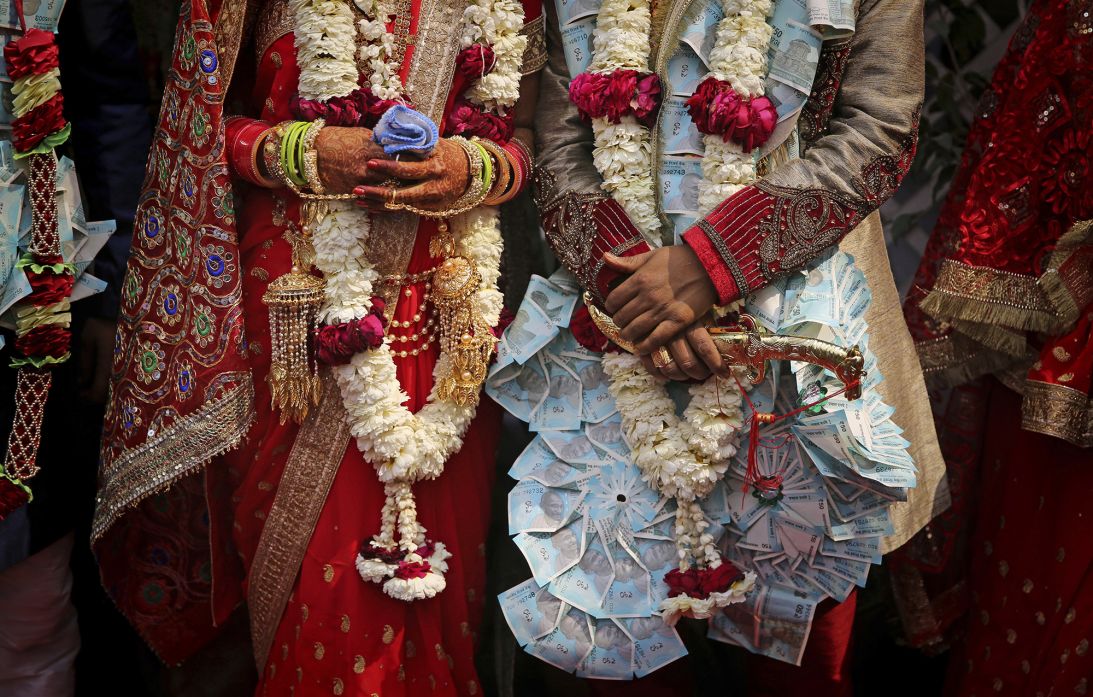
Brides in South Asia are famously decked out in the precious metal – necklaces, earrings, nose rings, hair pieces and amulets – that can be gifted or inherited. The collection often starts before they’re even born, composed of inherited pieces and gifts to commemorate their birth, life milestones and religious holidays.
Gold has been known as the most reliable safe haven asset for millennia, but it is more than an investment for South Asian families. The tradition of daughters inheriting their mothers’ gold spans across urban and rural India, regardless of socioeconomic class. It is deeply sewn into the fabric of the region’s culture, often quite literally, as many women inherit saris that are intricately embroidered with gold thread. They revere gold pieces as precious family heirlooms rather than a quick cash turnaround — and for women, it can be one of the few assets that belong solely to them.
Gold prices hit a record $4,000 per troy ounce for the first time Tuesday after climbing 54% so far this year. The rise is spurred by US President Donald Trump’s chaotic tariff agenda and his attacks on the Federal Reserve’s leader, as well as expectations that the Fed will cut interest rates. And the South Asian women who long invested most of their assets into gold are winning in this rally.
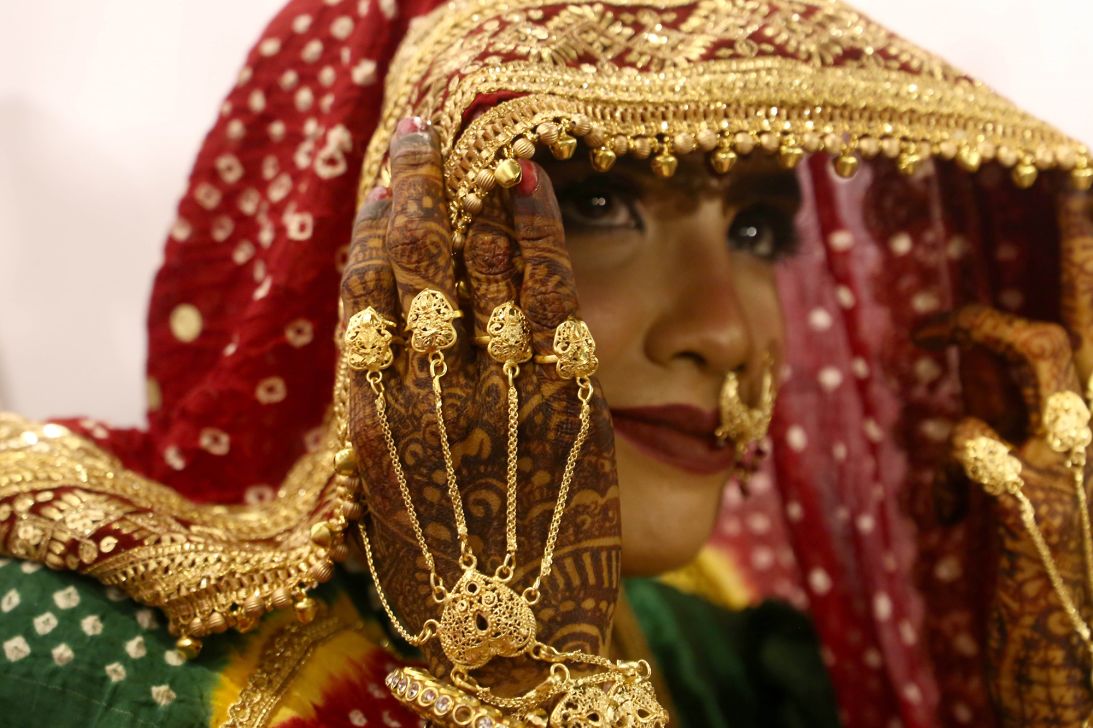
India was the second-largest market for gold jewelry in the world in 2023, only falling behind China, according to leading industry group World Gold Council. In 2021, India bought a whopping 611 tonnes of gold jewelry; in comparison, the next-biggest region, the Middle East, bought 241 tonnes.
Demand in India is driven by jewelry: The country has an expected 11 million to 13 million weddings a year, with bridal jewelry enjoying more than 50% of the gold market share, accordingly. South Asians make up approximately 10% of UK gold supplier Solomon Global’s client base, and it had seen an uptick in the last year in women of South Asian origin buying gold, according to the company.
People in India don’t view gold as a splurge according to Sachin Jain, India CEO of the World Gold Council. Instead, gold pieces are viewed as family assets that will only appreciate in value.
Gold jewelry also serves as a physical form of financial protection in a region where millions of people — particularly women — may not have access to bank accounts or other forms of organized investing. In India, less than 50% of women manage their finances independently, according to a March survey from YouGov.
Ghani grew up with that mindset. In Pakistan, her mother told her to set aside any pocket money and, once it’s accumulated, buy 24-karat gold coins.
But in 2025, it’s not just South Asian brides who are relying on gold investments. Trump’s trade war has thrown the global trade status quo into disarray, and investors are looking to move their assets from more volatile paper currency. Gold posted its strongest quarterly return since 1986 during the first quarter of 2025, with demand for safe havens spilling into other metals like silver and platinum.
Even with the occasional dip, the price of gold per troy ounce has soared more than 2,700% over the past 50 years, according to BullionByPost, the largest online gold dealer in the UK. Silver has risen more than 1,000% over the same time period.
Central banks in India and China have been buying bullion to boost their reserves. The Reserve Bank of India has increased its gold holdings by 35% in the last five years, according to Solomon Global.
South Asians have long been storing gold in their own homes. Conservative estimates say that 25,000 tons or more of gold are sitting in homes in India, Jain said.

But South Asians are not interested in selling off their gold just yet. Indians are holding on to their gold even with high prices, Jain said, despite the trend of increased sales when prices were relatively high historically.