Editor’s Note
This article examines the recent escalation of U.S. import tariffs on India to 50%, highlighting the dual rationale of trade deficit concerns and punitive measures over energy imports. The analysis suggests that while short-term effects may be limited, the long-term implications for bilateral trade warrant close attention.

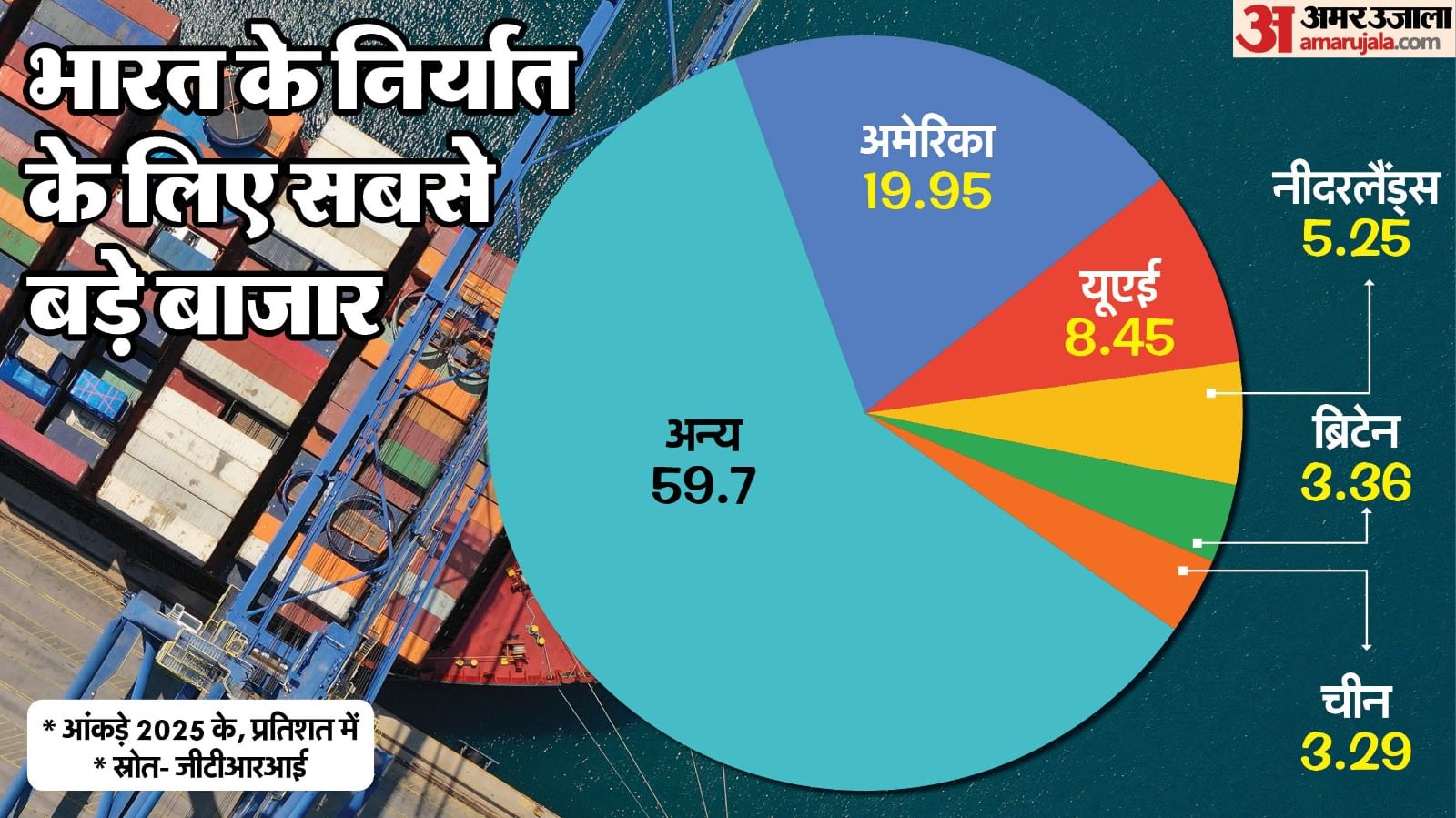
The 25% import duty imposed by the United States on India as a penalty for purchasing oil from Russia came into effect on August 27. This brings the total US tariffs on India to 50%. The Trump administration had already imposed a 25% import duty on India on August 7 to reduce the trade deficit. Consequently, the burden of the 50% US tariff now falls on India. While the immediate impact of this US move may not be felt, bilateral trade between the two countries could be significantly affected in the long term.
In anticipation of a potential decline in exports to the US, industries across India—from micro, small, and medium enterprises to large corporations—have prepared for the impact. The effects are already beginning to show from Punjab in the north to Gujarat in the west and Tamil Nadu in the south. In Punjab, industries linked to exports worth ₹20,000 crore are set to be affected by the US tariffs. Meanwhile, negative impacts are also becoming visible on the multi-thousand crore leather and carpet industries in Kanpur and Bhadohi, Uttar Pradesh.
Sectors in India facing the 50% tariff—including textiles, gems and jewellery, agriculture, and several others—will be severely impacted. After the imposition of import duties, these products will become more expensive in the US. This could lead to reduced demand for Indian products in the US and increased demand for products from countries with lower US tariffs, making them cheaper.
Conversely, the Indian market will also be affected. Reduced sales in a major export market like the US could lead to lower production in India, resulting not only in losses for companies but also potential job losses across various industries. However, this situation could improve if India succeeds in developing alternative export markets comparable to the US.
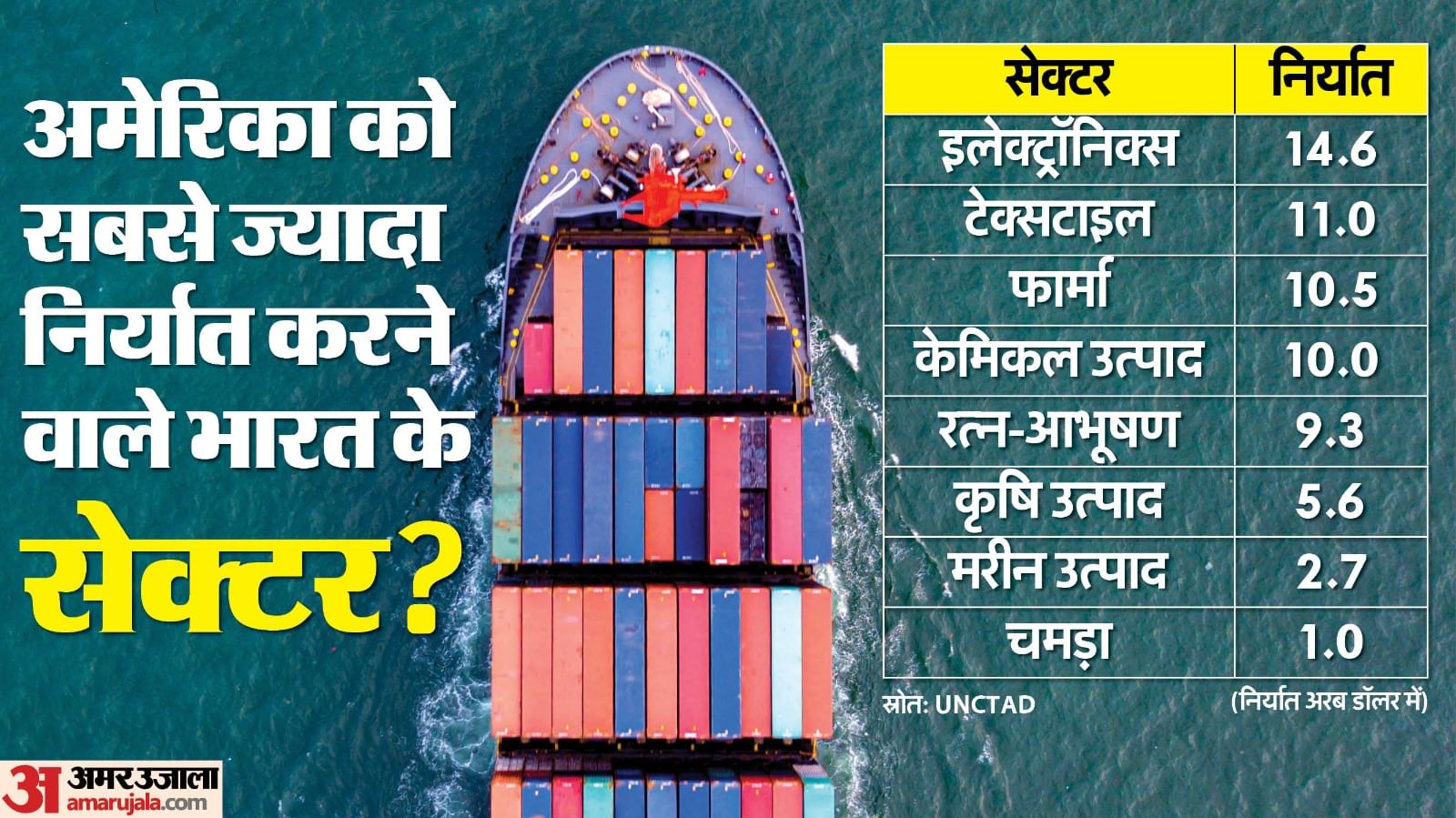
India exported $10 billion worth of gems and jewellery to the US in the fiscal year 2024-25. This means India alone accounts for 40% of the world’s gem and jewellery exports to the US. US tariffs on these items were just 2.1% until just before August but have now risen to 52.1%.
In India, Surat in Gujarat, Mumbai in Maharashtra, and Jaipur in Rajasthan are known as hubs for gem and jewellery exports. These centers employ millions of people in cutting, polishing, and manufacturing gems and jewellery.
A significant portion of India’s textile exports depends on the US. The US alone accounts for 28% of India’s total textile exports, valued at over $10.3 billion. Until now, the US imposed tariffs of 9% to 13% on this sector from India, but the total import duty on this sector has now exceeded 63%. Meanwhile, the benefit of additional tariffs on India in this sector will go to countries like Vietnam, Indonesia, Bangladesh, and Cambodia, where US tariffs are kept within the 20% range.
In India, Tiruppur in Tamil Nadu, Noida in Uttar Pradesh, Gurugram in Haryana, Bengaluru in Karnataka, Ludhiana in Punjab, and Jaipur in Rajasthan will be the most affected.
India currently exports over $5.6 billion worth of agricultural products to the US. Major exports include marine products, spices, dairy products, rice, Ayush and herbal products, edible oils, sugar, and fresh vegetables and fruits. It is believed that Trump’s tariffs will have the greatest impact on India’s seafood industry, i.e., marine products. Due to additional tariffs on India, agricultural and marine products from lower-tariff countries like Pakistan, Thailand, Vietnam, Kenya, and Sri Lanka will become cheaper for the US.

Most states in India are likely to suffer losses. As India is primarily an agrarian country, higher tariffs in the US export market will negatively impact agricultural exports from Punjab to Uttar Pradesh and from Maharashtra to Karnataka.
India exports $1.18 billion worth of products from its leather and footwear industry to the US annually. The imposition of a 50% tariff on this sector is expected to benefit countries like Vietnam, China, Indonesia, and Mexico.
Meanwhile, this will cause significant damage to India’s leather and footwear industry centers—Kanpur and Agra in Uttar Pradesh and the Ambur-Ranipet cluster in Tamil Nadu.
India exported $1.2 billion worth of carpets to the US in the fiscal year 2024-25. India holds nearly a 60% market share in the US market. While the previous US tariff on this product was only 2.9%, it has now reached 53%. This has created a risk of a crucial market for Indian carpets closing.
Carpet businesses in Bhadohi and Mirzapur in Uttar Pradesh and Srinagar in Jammu and Kashmir are facing a looming crisis. On the other hand, countries like Turkey, Pakistan, Nepal, and China could benefit from the hefty tariffs on India.
The handloom sector, a symbol of India’s cultural heritage and a source of livelihood for millions of weavers, is also vulnerable. While specific tariff figures are less pronounced, the overall increase in trade barriers and potential decline in US demand for Indian handicrafts and textiles pose a significant threat to this labor-intensive industry, particularly in clusters across states like West Bengal, Odisha, and Andhra Pradesh.