Editor’s Note
This article explores how creative constraints can fuel innovation, highlighting a filmmaker’s journey from resource-heavy sets to the sustainable practice of upcycling materials into new garments.
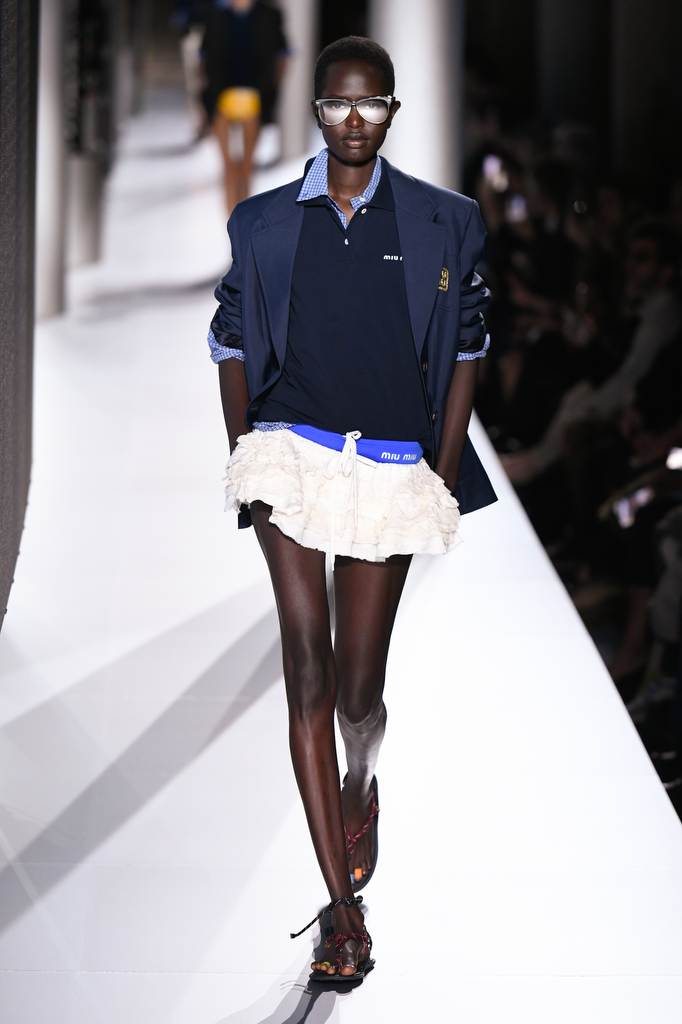
Accustomed to film sets with unlimited resources, Martin embraced the creative limitations of working with only existing materials.
Launched alongside Martin’s short film starring Daisy Ridley and Willem Dafoe, the collection reflects a rare blend of theatricality and sustainability.
If you’re obsessed with Miu Miu — the popular luxury Prada offshoot — you’re not alone. It is everywhere these days.
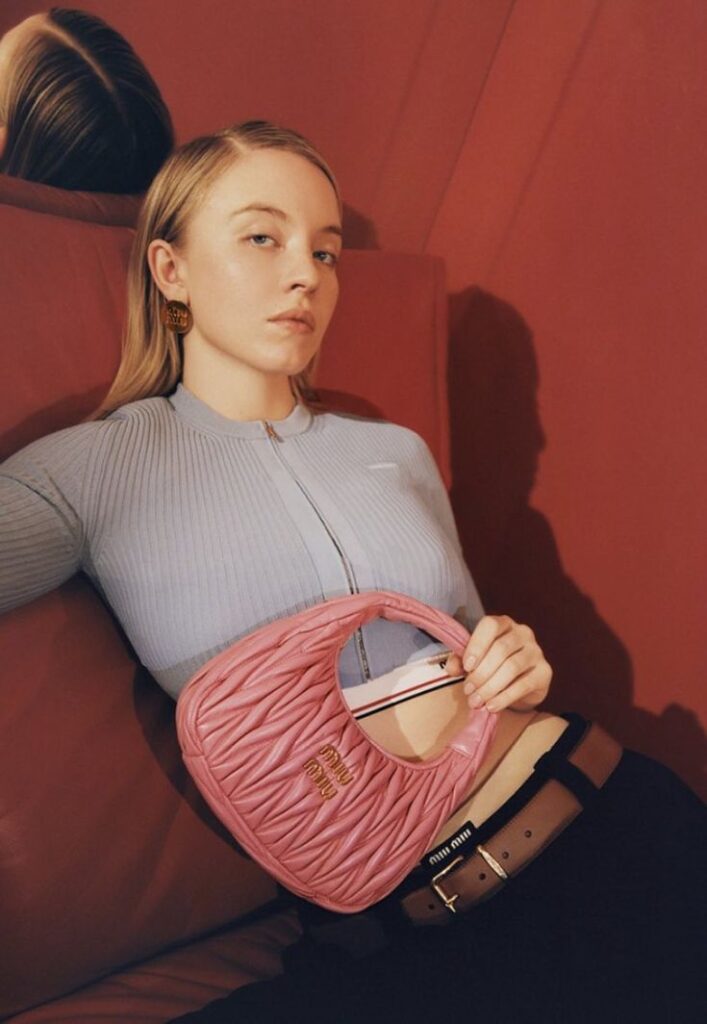
Sydney Sweeney was praised for enjoying a sustainable style moment when she stepped out dressed head to toe in upcycled Miu Miu denim last year. The “Anyone But You” actor, an ambassador for the label, even wore an upcycled denim bra from the Italian label, which is owned by Prada.
Sweeney isn’t alone in her love of Miu Miu. It is Prada’s top-performing brand right now. Prada Group’s first-quarter results confirm its position as one of luxury’s most resilient players, with retail sales climbing despite broader industry turbulence and an impending acquisition that could reshape its global footprint. The Italian fashion house reported €1.3 billion in unaudited revenue for the first three months of 2025 — about $1.5 billion — marking a 12.5 percent year-over-year increase. Retail net sales rose 13 percent to €1.2 billion, largely propelled by an extraordinary performance at Miu Miu, where revenue soared 60 percent compared to the same period last year, reaching €377 million.
The Prada brand itself saw a marginal dip, with retail sales edging down 0.2 percent to €827 million. The company attributed this to the brand’s “highest quarterly comps of 2024,” indicating an unusually high baseline from which this year’s results are being measured.
Despite that, Prada’s global momentum remains intact. In Asia Pacific — its largest region by sales — the group posted a ten percent gain to €438 million, while European sales rose 14 percent to €334 million, buoyed by both tourist and domestic consumer activity. Sales in the Americas increased ten percent to €201 million, which Prada credited to “an uptick in local demand,” even in the face of what it described as “increased volatility during the period.” Elsewhere, Japan saw an 18 percent lift to €172 million, and the Middle East posted the group’s highest regional growth at 26.5 percent, totaling €70 million.
While the company’s press release offered few details on its recent plans to acquire Versace for $1.4 billion from Capri Holdings — a deal expected to close in the second half of the year pending regulatory approval — it signaled continued confidence in the company’s forward momentum.
Prada Group Chairman and Executive Director Patrizio Bertelli emphasized the brand’s enduring focus on resilience, saying:
He added that the company was pleased with its quarterly results given the macroeconomic backdrop, noting “an increasingly turbulent and uncertain landscape,” and stressing that such conditions demand “agility and flexibility.”
CEO Andrea Guerra echoed that forward-looking strategy.
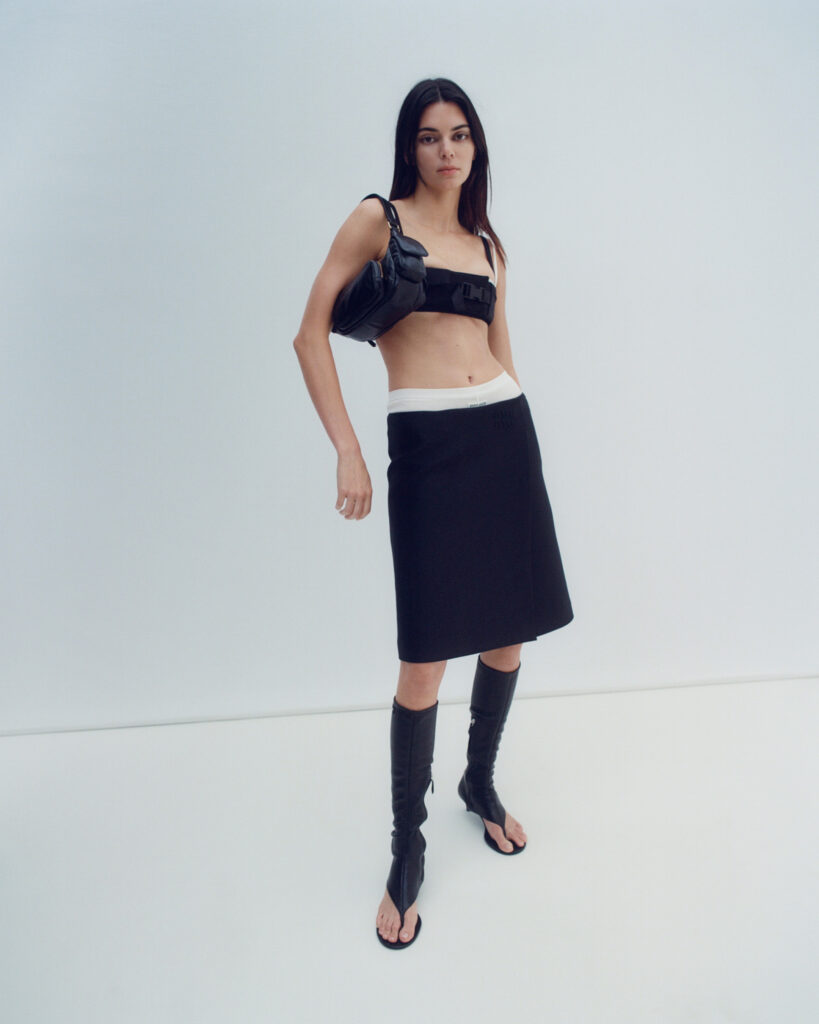
Celebrity endorsements are also playing a key role in its success. Remember actor and model Emma Corrin’s viral underwear as outerwear moment? Yep, that was Miu Miu. Kendall Jenner also modeled for the brand, and its Spring 2024 October show was a star-studded event, with Sweeney, Alix Earle, Adriana Lima, and Emma Chamberlain all in attendance. MEOVV’s Ella was named a new brand ambassador for Miu Miu last month.
So Miu Miu is the luxury fashion brand of the moment, that much seems clear. And it is committed, at least in part, to sustainable upcycled fashion. But alongside its parent company, Prada, it has also been plagued by a lack of transparency around the nitty-gritty details of its supply chain — details that are incredibly important when it comes to determining just how ethical and eco-friendly a brand really is.
Starting with the positives: Sweeney’s headline-grabbing outfit was from the brand’s fourth upcycled collection. According to the brand, the collections were “born from its passion for conscious fashion and circular design practice.” Using old materials for new garments is an inherently sustainable practice — it reduces demand for new denim, which comes from an industry that is notorious for major environmental issues like chemical pollution and high water usage. Miu Miu doesn’t only upcycle denim; you can also find collections of its reworked vintage dresses in its boutiques around the world.
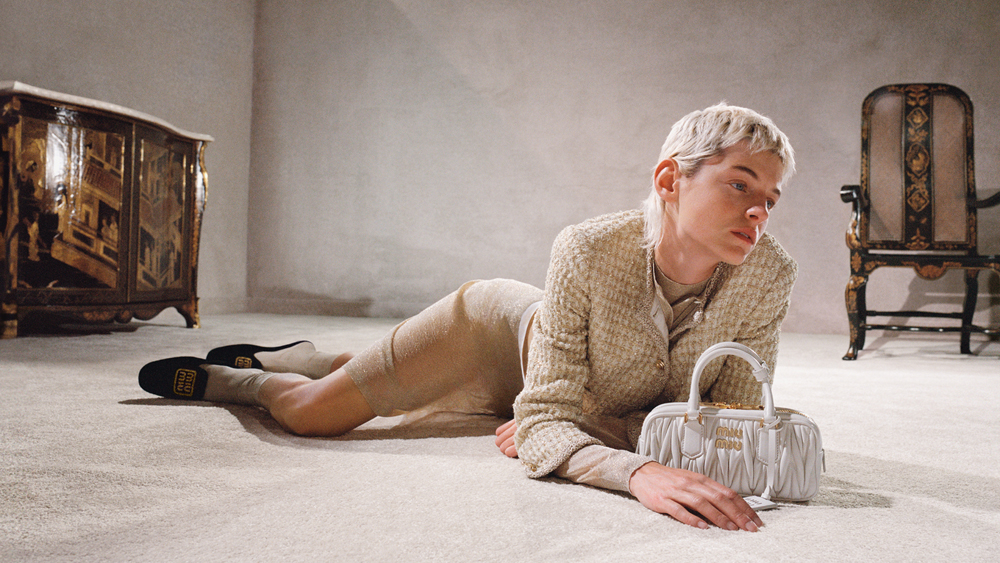
Miu Miu’s latest Upcycled capsule, created with Oscar-winning costume designer Catherine Martin, revives the glamour of 1920s Riviera through circular design. Inspired by the era’s bohemian expats, the collection transforms vintage jersey, reclaimed denim, antique lace, and silk bedsheets into slip dresses, sailor-collar jackets, and bold knits.