Editor’s Note
This piece explores Jaipur’s dynamic evolution, where deep reverence for its regal heritage fuels a vibrant contemporary cultural scene. It’s a compelling look at how a historic city is thoughtfully writing its next chapter.
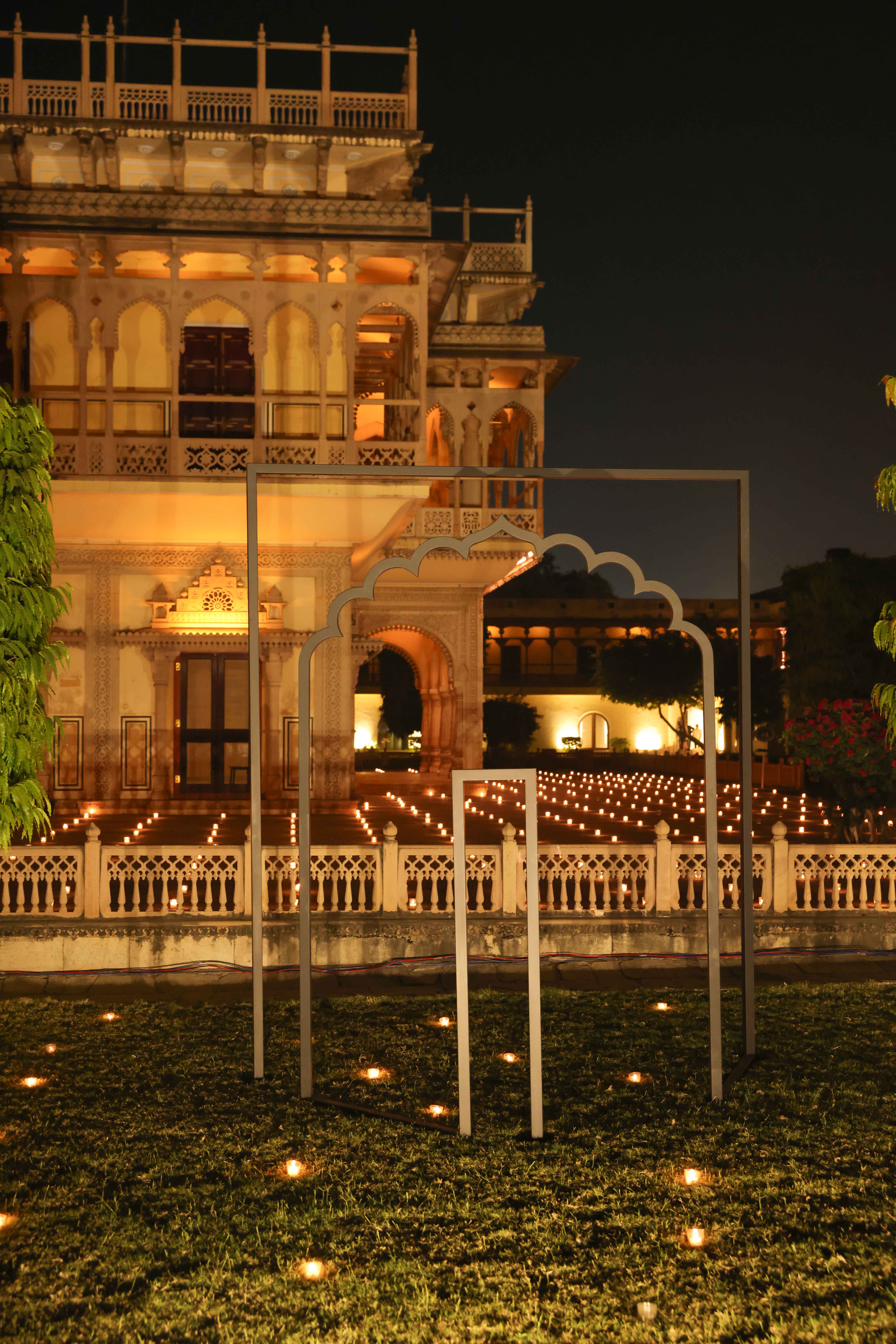
In the heart of Rajasthan, where sandstone walls still carry the breath of centuries, Jaipur stands as a place where past and present glow together in shades of pink. Once a royal stronghold and now a laboratory of creativity, its streets bustle with unruly rickshaws even as they echo the grandeur of kings. From the filigreed Hawa Mahal palace to new design-forward restaurants, from the astronomical wonders of observatory site Jantar Mantar to sleek boutiques, and the City Palace where Mughal and Rajput aesthetics merge, the Pink City wears its heritage like an heirloom while stepping confidently into the future.
A polo player graduated in cultural heritage management and art history, he is intent on steering Jaipur toward global relevance in craft and contemporary design.

This vision took shape with the establishment of the Jaipur Centre for Art (JCA), founded by Singh in collaboration with curator Noelle Kadar, which opened its doors in November 2024. Set within the regal surroundings of the City Palace, JCA spans 2,600 sq ft as a public exhibition space. On its recent first anniversary, it unveiled artist Ayesha Sultana’s ‘Fragility and Resilience’ exhibition and the sixth edition of contemporary sculpture platform ‘The Sculpture Park’, at the historic Jaigarh Fort. These openings join a cultural calendar that already includes internationally known events, such as Jaipur Literature Festival led by, among others, historian William Dalrymple, and Jaipur Art Week, founded by Sana Rezwan, both of which next return in January 2026.
She recalls the city’s famed *chattis karkhanas* (36 specialised craft industries, from gemstone-cutting to miniature-painting), many of which once had their own streets and markets. “Today, 11 of these traditional crafts survive,” she notes, alongside the architectural artisanship that remains an essential skill to conservation projects across India.
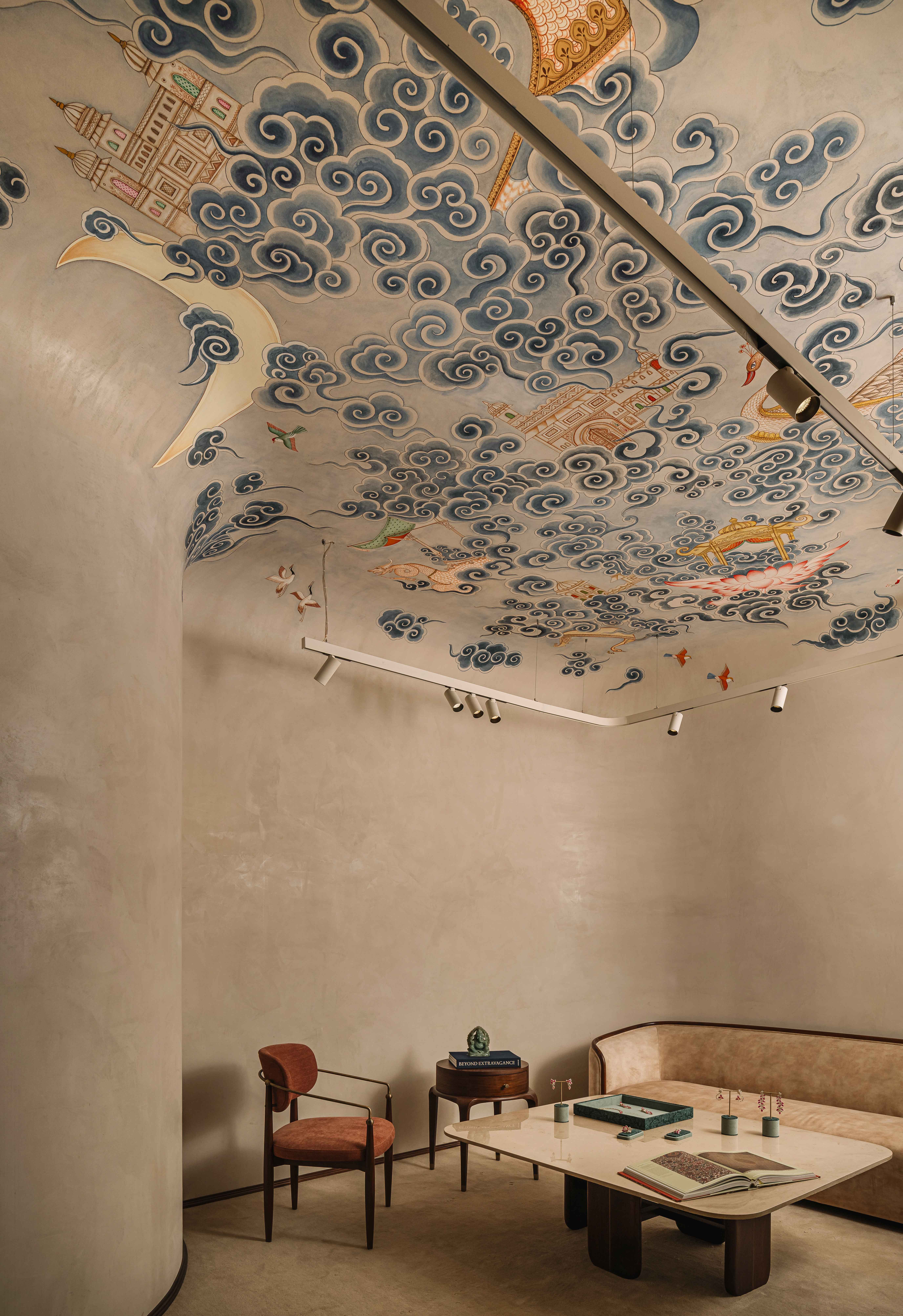
Few people embody this continuity more than the Kasliwal family. Court jewellers at the invitation of Jaipur’s founder Maharaja Jai Singh II since the 1700s, they established their jewellery house, Gem Palace, in 1852, opening a flagship store on the city’s Mirza Ismail Road. From behind its gleaming vitrines, nine-generation scion and current helm Samir Kasliwal reflects:
Under Jai Singh II’s patronage, the city’s jewellers perfected *meenakari*, the art of enamelling on precious metals. Today, the technique takes centre stage at the new Museum of Meenakari Heritage, run by the House of Sunita Shekhawat, the family-run fine jewellery brand that recently launched its first collection of collectible objects (including glorious mirrors, decorative spoons, even a pill box), honouring the craft while pushing it into unexpected dimensions.
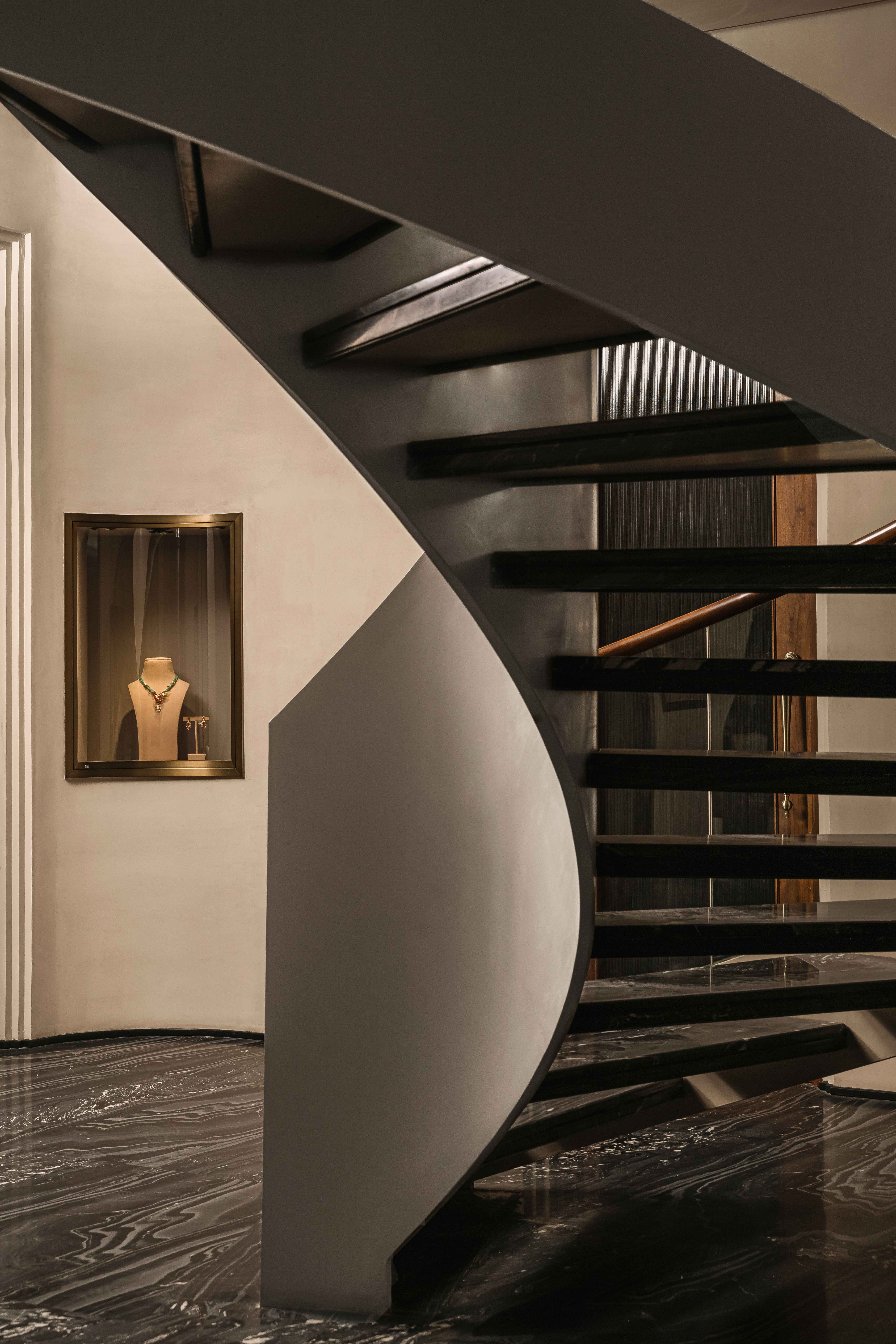
A similar interplay of tradition and innovation drives designers such as Akshat Ghiya of Tallin Jewels. After decades of rapid industrialisation, he sees makers combining traditional craft with fresh perspectives, ‘to create things that speak a global language but have that Indian soul’.