Editor’s Note
The recent surge in Japan’s Nikkei and TOPIX indexes to record highs reflects a significant easing of investor anxiety, largely driven by progress in international tariff negotiations. This article examines the pivotal role of recent trade agreements in fueling the market rally.
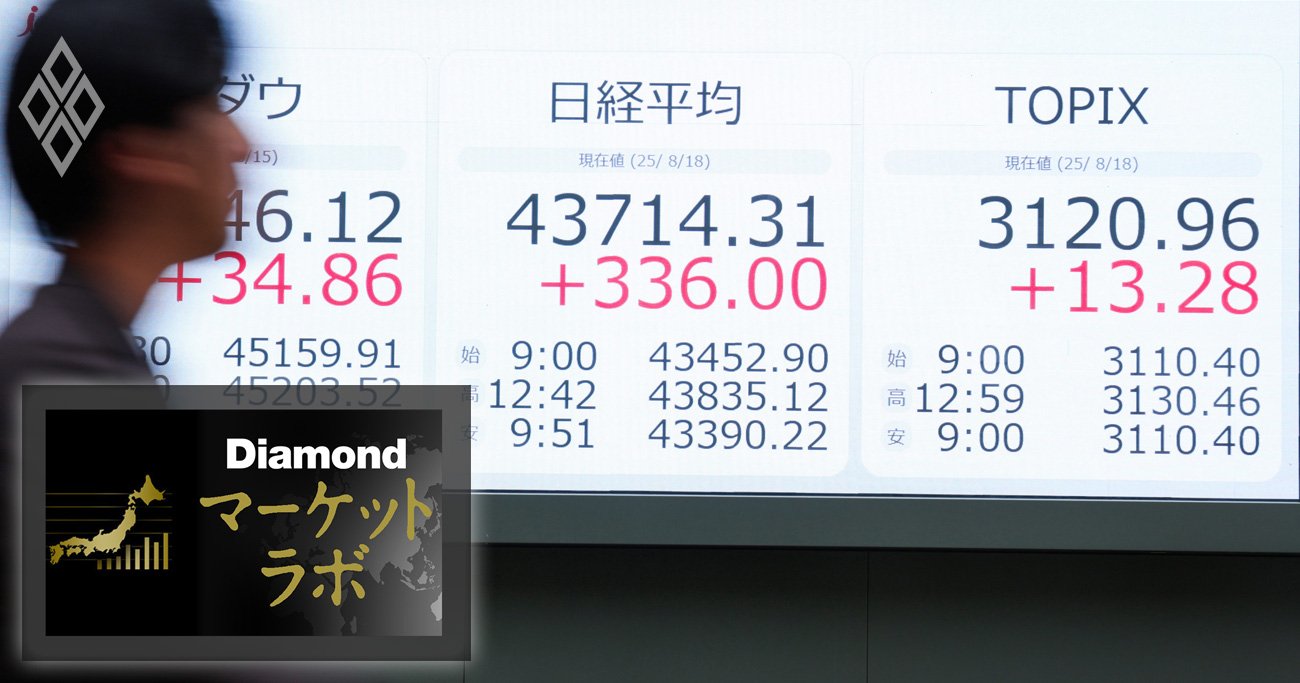
The Nikkei Stock Average and the Tokyo Stock Price Index (TOPIX) have been hitting record highs. The Nikkei Average reached a closing price of 43,714 yen on August 18, while TOPIX closed at 3120.96 points on the same day. A key factor behind this rally is the easing of investor concerns following a series of “agreement dominoes” in tariff renegotiations between the US and Japan, the EU, and China since late July. The mutual tariff surcharge rates on Japan and the EU were lowered to 15%, and the deadline for applying tariffs on China was extended again until November, with agreements to continue talks being viewed positively.
However, the latest earnings forecasts for Japanese companies for fiscal year 2025 (ending March 2026) tell a different story. The combined net profit forecast for about 750 February/March fiscal year-end companies shows a company-projected year-on-year decrease of 9.7%, with market expectations also pointing to a 4.1% decline. Even though mutual and auto tariffs were lowered from 25% to 15%, the rates are still higher than the previous fiscal year, inevitably putting pressure on the earnings of export-oriented companies.

Despite these lackluster near-term forecasts, both the Nikkei Average and TOPIX gained upward momentum. While expectations that the US Federal Reserve (FRB) would resume interest rate cuts as early as September also boosted prices, the primary driver of the stock rally was the market’s anticipation of a “V-shaped earnings recovery” in fiscal year 2026.
While there are historical precedents for stock prices rising on future optimism, there is a risk of this being premature or overly optimistic. There are potential “pitfalls” in this forward-looking rally.