Editor’s Note
This article details the remarkable history and rediscovery of the “La Grosse Pièce,” a legendary astronomical watch by Audemars Piguet. With 19 complications, it stands as a pinnacle of mechanical artistry, its journey from a 1914 commission to a modern auction highlighting its enduring significance in horology.
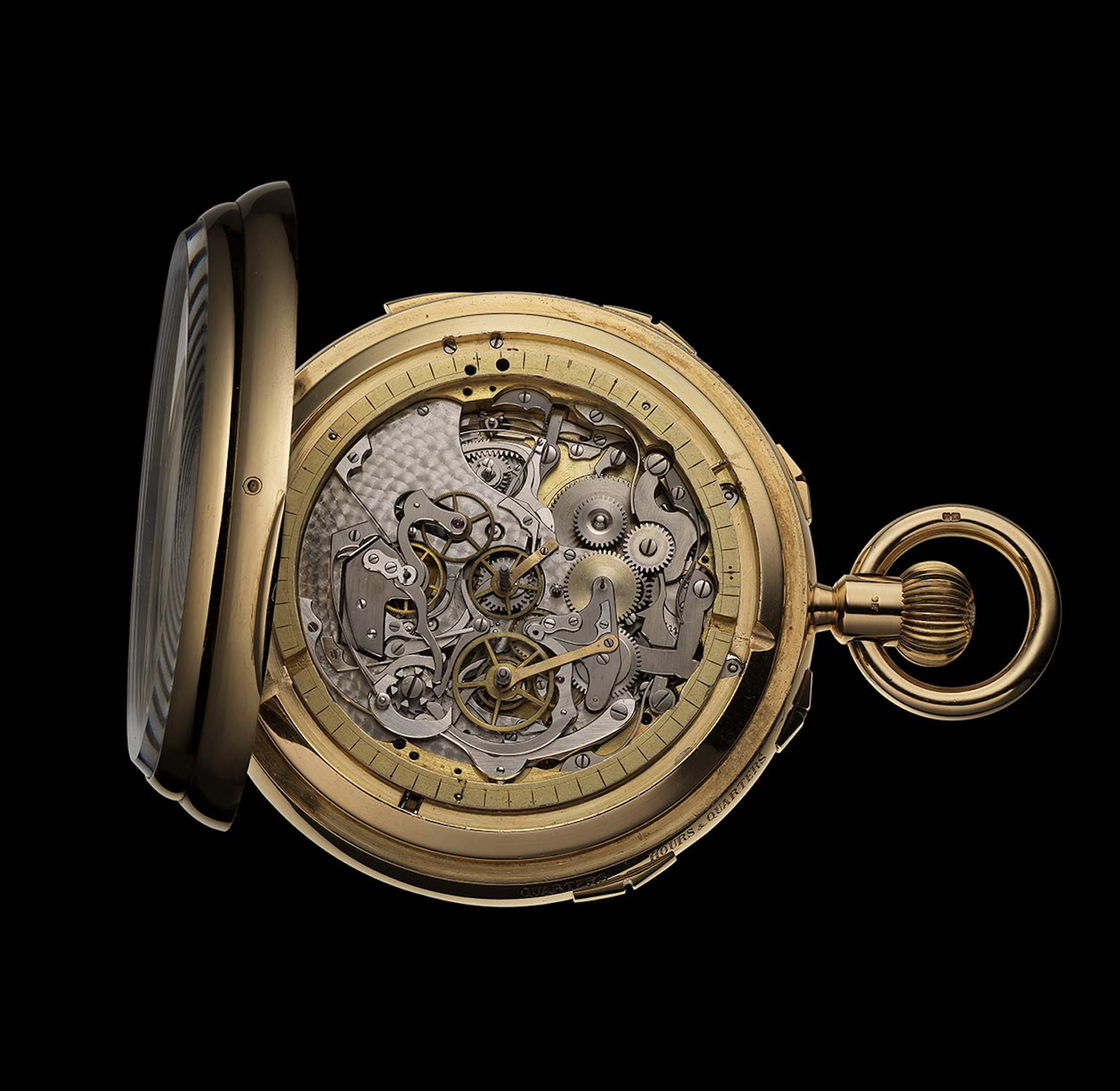
This is the story of a mythical creation, missing for years and brought back to the market at an auction in the United States.
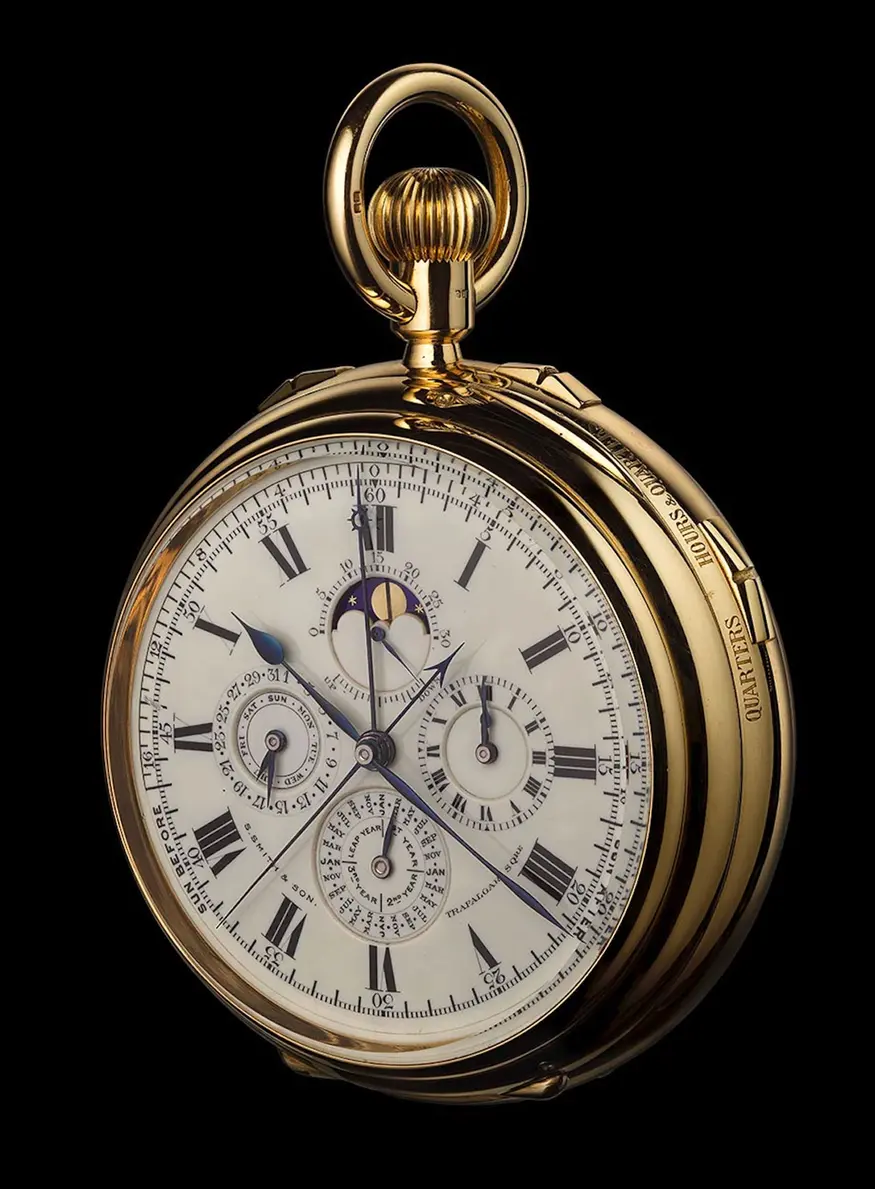
Commissioned in 1914 and completed in 1921, the S. Smith & Son Astronomical Watch, known as “La Grosse Pièce”, is described by the manufacture itself as “the most complete astronomical watch ever created by Audemars Piguet”. This comes as the brand recently launched its smart case combining robotics and artificial intelligence.
Made of 18-carat yellow gold and featuring 19 complications, it is indeed one of the first watches to incorporate a celestial chart—specifically, the night sky over London with 315 stars—complemented by a sidereal time display, a perpetual calendar, moon phases, and the equation of time. It also boasts a minute repeater, grande and petite sonnerie, a chronograph, and even a tourbillon, an extremely rare feature for a pocket watch at that time.
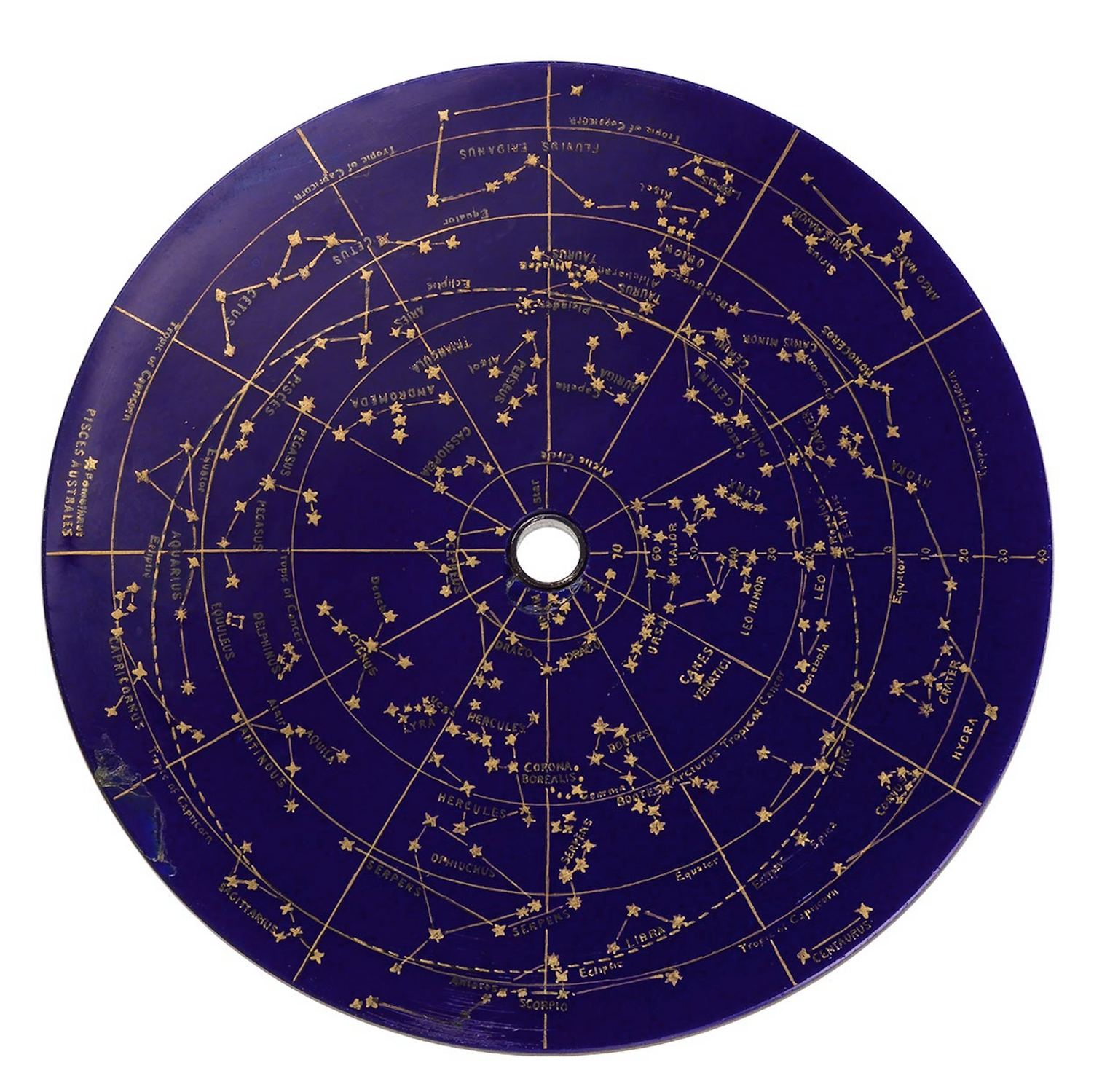
Delivered in 1921 to S. Smith & Son, the watch then disappeared from the radar for many years. Only a few archival documents attested to its existence until its reappearance in the 1990s.
La Grosse Pièce will thus embark on an international tour before joining the collections of the Musée Atelier Audemars Piguet in Le Brassus, in its native Vallée de Joux.