Editor’s Note
This September, Sotheby’s will auction the estate of collector Pauline Karpidas. Among the highlights is a rare ensemble of 21 pieces of jewellery by Claude Lalanne, detailed in this article.
Within the estate of Pauline Karpidas – whose art collection and furniture will be auctioned in London this September by Sotheby’s – lies a rare ensemble of 21 objects small in scale but huge in significance: jewellery designed by Claude Lalanne.
The Manchester-born former model Pauline, née Parry, began collecting art after opening a fashion boutique in Athens in the 1960s, where she met her husband, the shipping magnate Constantine Karpidas. Karpidas’ collection is brimming with masterworks by Salvador Dalí, René Magritte, and Claude and François-Xavier Lalanne, as well as the furniture from her eccentric London home for a total over 250 lots. The sale is expected to fetch more than £60 million, the highest estimate ever placed on a single collection at Sotheby’s Europe.
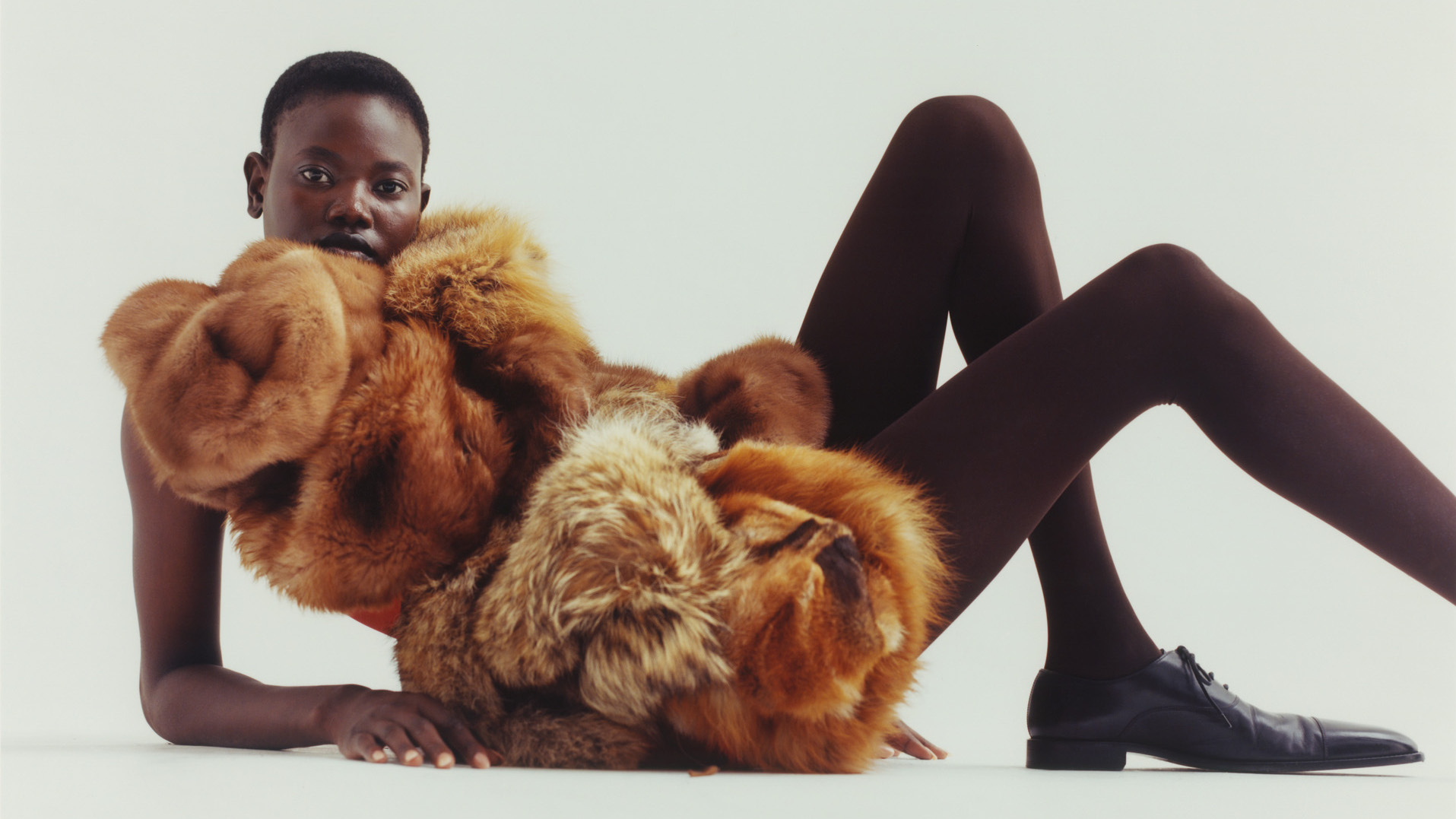
Among the many highlights there is the Lalanne jewellery – the largest group from a single owner ever to appear at auction. Each piece was created by Claude Lalanne especially for Pauline over the course of two decades. They are bold, nature-inspired works of wearable art, rendered in a subdued palette of copper and silver, and brought to life through the process of electroplating.
The jewels echo motifs – flowers, leafs, butterflies – that also appear in Lalanne’s furniture and sculpture.
Copper, for instance, surfaces in both the jewels and the Structure Végétale bed, while botanical elements unfurl across bracelets, necklaces, and fantastical creations such as the ‘Choupatte.’
Pauline’s connection with the Lalannes began in the 1970s through the gallerist Alexandre Iolas, and evolved from the initial collector-artist relationship to one in which Karpidas became Lalannes’ muse and lifelong friend.
Many of the jewels were sparked by the simplest details – a flower in bloom, a leaf in the garden at the Lalannes’ farmhouse in Ury. As François-Xavier Lalanne once said of his wife’s creative spirit, ‘she creates as the birds sing.’
Lalanne crafted the jewels using the same methods she did for her sculpture and furniture, namely electroplating. The procedure consisting in depositing copper or silver onto plates to capture the finest details, from the veins of a leaf to the texture of a petal. A soft patina enhanced the relief, lending each jewel an almost fragile feel.
Unique Lalanne jewels from the 1980s and 1990s rarely surface on the market. Many were bespoke creations for figures such as Pauline, Yves Saint Laurent, and the Rothschilds, often conceived initially as gifts. With Karpidas’s provenance, Jeanniard believes the estimates remain ‘consistent and fairly conservative for unique pieces of this calibre.’