Editor’s Note
This article examines the end of De Beers’s secretive “sight holder” sales system, a decades-old practice that shaped the global diamond trade. Its closure marks a significant shift in how the industry operates.
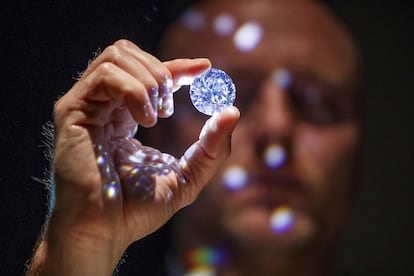
For decades, the most exclusive circle in the diamond world would meet 10 times a year. At these invitation-only summits, hundreds of millions of dollars’ worth of rough gems would change hands in a matter of days. Until they stopped.
The secret meetings organized by De Beers are the primary way the company that invented the modern diamond industry sells its precious stones to a select circle of clients. These conclaves have long been a demonstration of power: it was taken for granted that the elite group of buyers would simply accept, without question, the prices and diamond packages presented by the iconic mining group.
Until not long ago, the relationship was lucrative. De Beers’ clients, often family businesses known in the sector as sightholders, became millionaires, or even billionaires when the wind was favorable. But in recent months, sales have been strained by tensions. A prolonged crisis that paralyzed the diamond market has left De Beers without answers and its buyers furious and alienated. Now, many of the sightholders have simply stopped showing up at the summits.
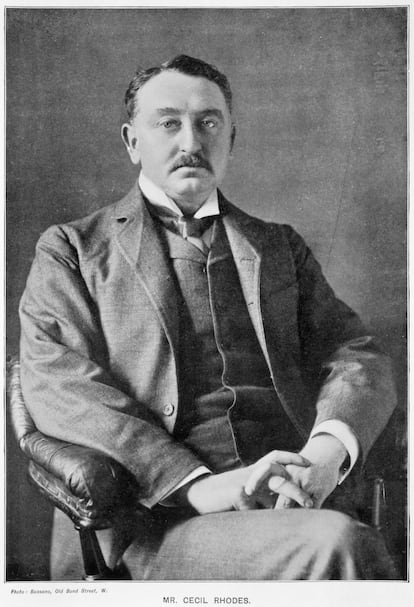
Parallel to this earthquake in the industry, De Beers’ owner, Anglo American, is trying to find an exit for its stake. When Anglo’s CEO, Duncan Wanblad, announced a business restructuring last year after rejecting a takeover bid from BHP Group, the only point on which both sides seemed to agree was that neither wanted to own the world’s most famous diamond company.
Anglo has promised investors it will exit the diamond business to focus on copper and iron ore mining, but finding a willing buyer seems increasingly complicated as De Beers continues to stumble.
Last year, De Beers refused for months to cut its diamond prices even as the rest of the market was collapsing, and many of its clients simply refused to buy. When it finally capitulated in December 2024, the cuts it announced were seen as insufficient and too late.
Privately, some of the company’s key clients say they are frustrated because the former monopoly seems unable to exercise the leadership the industry needs. But De Beers, which for years acted as a protector by offering its clients built-in profit margins, says its own business must come first.

The company stated it had already taken a series of measures, including reducing production, combining sales, offering greater flexibility to buyers, and large-scale investments in marketing natural diamonds. It has also been reluctant to release even more diamonds at discounted prices into a market flooded with stones.
The growing rift between De Beers and its clients is just one symptom of the crisis affecting the €80 billion-a-year diamond industry, which stretches from the mines of Botswana to the jewelry stores of New York’s Fifth Avenue. What began as a post-pandemic recession has spiraled so out of control that, even in a market known for its cycles, industry veterans say the crisis is the worst they have ever seen.
On one hand, the sector must weather the problem of cheap diamonds. An avalanche of lab-grown gems is rapidly displacing natural stones, especially in fashion jewelry and low-end engagement rings. At the same time, the industry is reeling from the collapse in China, the second-largest diamond market, where demand has plummeted by 50% since the pandemic.
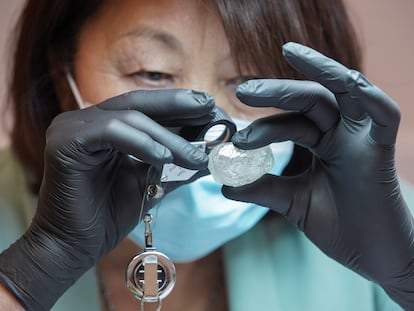
The effects of the crisis ripple worldwide. Chinese retailers have been returning tens of millions of dollars’ worth of unsold gems each month; Botswana, home to De Beers’ largest mining operations, has elected a new ruling party for the first time in six decades as falling diamond revenues impact the economy; in India, factories have closed or been put up for sale.