Editor’s Note
This article highlights the contrasting fortunes within the luxury sector, as seen in recent quarterly reports. While Kering’s overall revenue declined, the performance of its jewelry and watch divisions provided a relative bright spot, and the pace of decline showed signs of moderating. The results underscore the ongoing challenges for some major houses even as the broader industry navigates a complex economic environment.
New York—Kering and LVMH recently reported their third-quarter financial results, with jewelry and watch sales holding their own during a challenging quarter.
Kering, which released its results Wednesday afternoon, saw revenue fall 10 percent (5 percent on a comparable basis) in Q3 to €3.4 billion ($3.9 billion), noting a negative currency effect of 5 percent.
Still, it was an improvement compared to the 15 percent decline in the second quarter.
Its star brand Gucci continued to weigh on its results with sales down 18 percent (14 percent on a comparable basis).
In contrast, its jewelry brands, which include Boucheron, Pomellato, and Qeelin, were standouts, posting double-digit revenue growth.
These brands fall into Kering’s “Other Houses” division alongside Alexander McQueen and Balenciaga. Revenue in the segment totaled €652 million ($757 million) in Q3, down 5 percent (up 1 percent on a comparable basis).
Boucheron’s development in the United States and the Asia-Pacific region was “particularly encouraging,” said Kering.
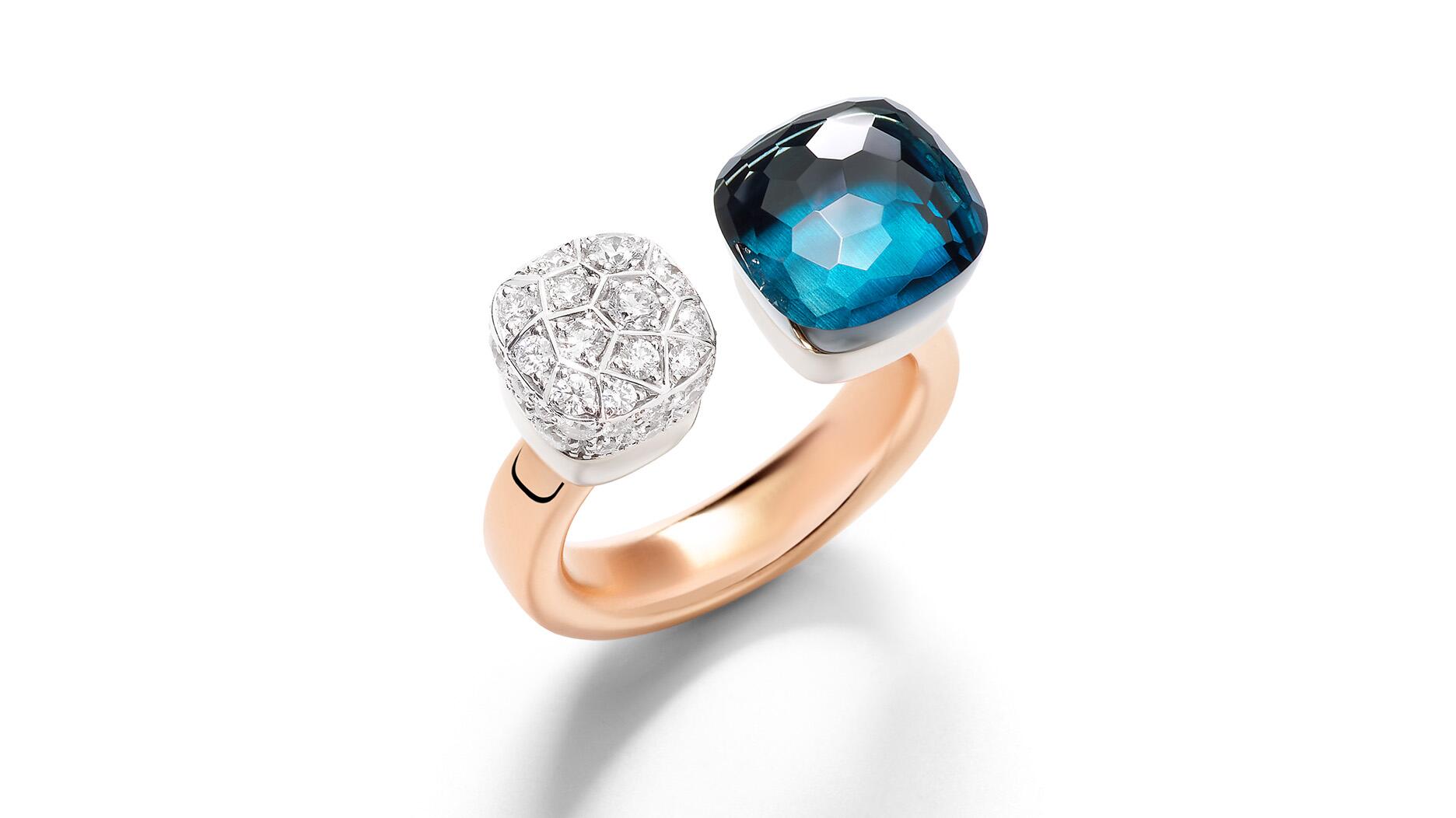
Pomellato’s revenue was up, and its high jewelry line performed well.
Qeelin continued along its “very positive” trajectory in the Asia-Pacific region.
LVMH, which reported its results on Oct. 14, saw signs of improvement in the third quarter.
For the first nine months, revenue was down 4 percent year-over-year (down 2 percent in organic terms).
In the third quarter, revenue also was down 4 percent year-over-year, but up 1 percent in organic terms.
The third quarter saw improvements across all business groups and regions, LVMH said, with Europe the only exception due to declining tourist spending and currency fluctuations.
Its watches and jewelry business posted organic revenue growth in the third quarter and for the first nine months of the fiscal year.
Revenue in the segment was down 3 percent as reported but up 2 percent in organic terms in Q3, totaling €2.32 billion ($2.69 billion).
For the first nine months, revenue in the category totaled €7.41 billion ($8.6 billion), down 2 percent year-over-year as reported but up 1 percent in organic terms.
While organic sales growth in jewelry and watches has been minimal, the division is outperforming other luxury goods at LVMH. Sales of fashion and leather goods are down 8 percent (6 percent in organic terms) through the first nine months of the year, while wine and spirits sales were down 7 percent (4 percent in organic terms).
LVMH’s jewelry portfolio is comprised of Bulgari, Chaumet, Repossi, Fred, and Tiffany & Co.
Tiffany & Co. has continued the global rollout of its store concept, inspired by The Landmark in New York City. Its new locations in Milan and Tokyo have seen a “high level” of in-store traffic and revenue, LVMH said.
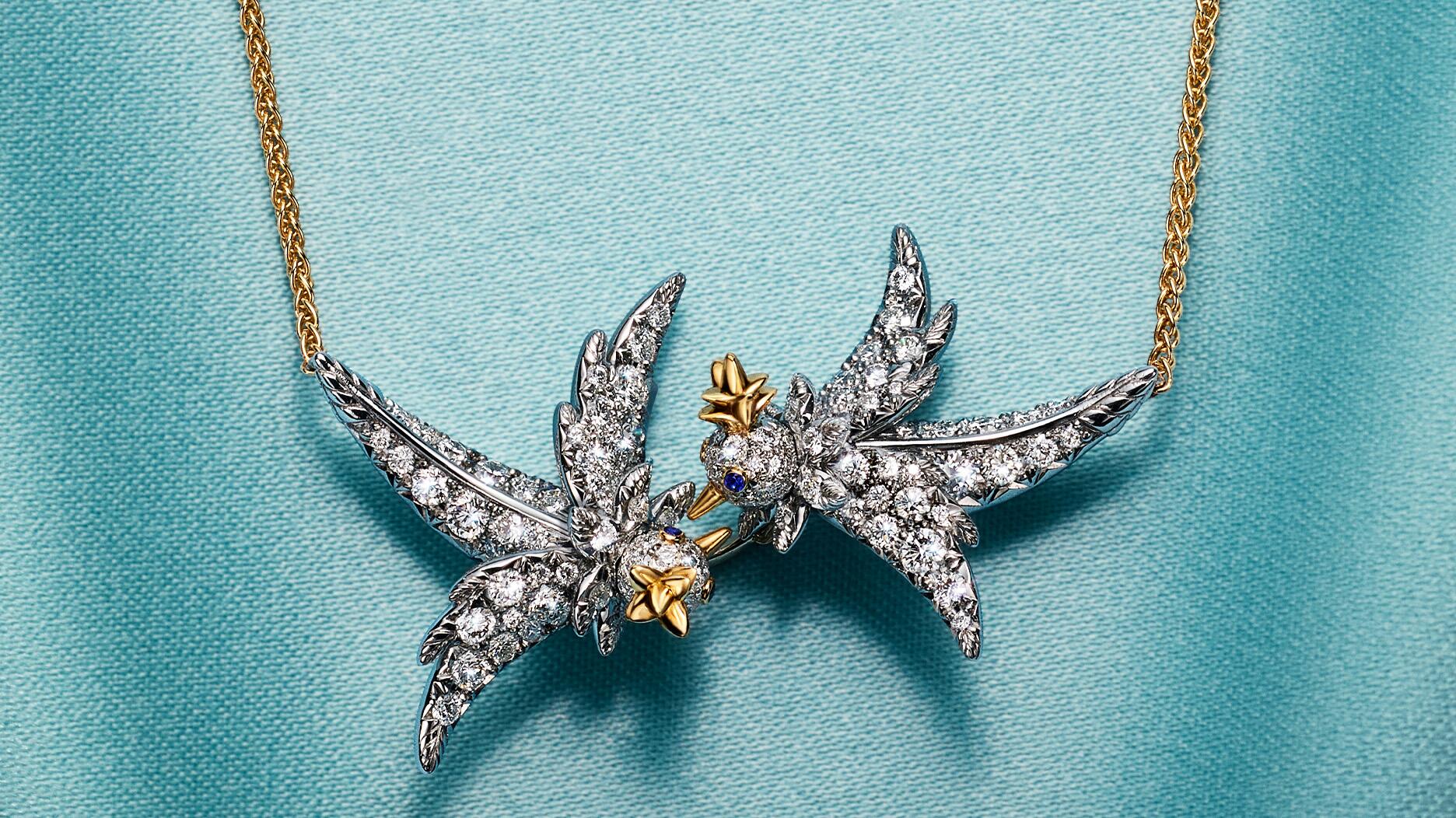
Its new “Bird on a Rock” collection, inspired by Jean Schlumberger’s original design, had a “promising debut” while its “Blue Book 2025 Sea of Wonder” high jewelry posted record sales, LMVH said.

Bulgari has continued to enhance its “Serpenti” line and expand its “Tubogas” collection.
Its “Polychroma” high jewelry collection and watches are also doing well.
Chaumet is developing its “Bee de Chaumet” jewelry line, which centers on its bee designs and honors the naturalistic jewelry created by Chaumet founder Marie-Étienne Nitot, who was Emperor Napoleon’s official jeweler.
Fred is expanding its “Force 10” collection, a unisex line that combines a braided steel sailing cable and a gold buckle.
LVMH’s watch brand portfolio consists of TAG Heuer, Hublot, and Zenith.
It said TAG Heuer, which signed a 10-year partnership deal with Formula 1 last year, gained visibility at the Grand Prix races.
Zenith is celebrating its 160th anniversary while Hublot debuted the new Classic Fusion Chronograph UEFA Champions League titanium watch.
LVMH’s watch brands also unveiled new models at Geneva Watch Days, including TAG Heuer’s “Carbonspring” oscillator.
On a regional basis, LVMH said its overall sales in the U.S. and Europe were stable in the first nine months of the fiscal year due to “solid” local demand.
In the U.S., sales increased 3 percent in Q3 on an organic basis and were flat for the first nine months.
The U.S. is LVMH’s second-largest market behind Asia, accounting for 25 percent of revenue in the first nine months.

As for the year ahead, LVMH said it remains confident in spite of the uncertain economic and geopolitical environment.