Editor’s Note
This article explores the rapid rise of lab-grown diamonds, which are projected to capture nearly 20% of the global jewelry market by 2025. It examines the shifting consumer values and industry adaptations driving this quiet revolution in luxury.
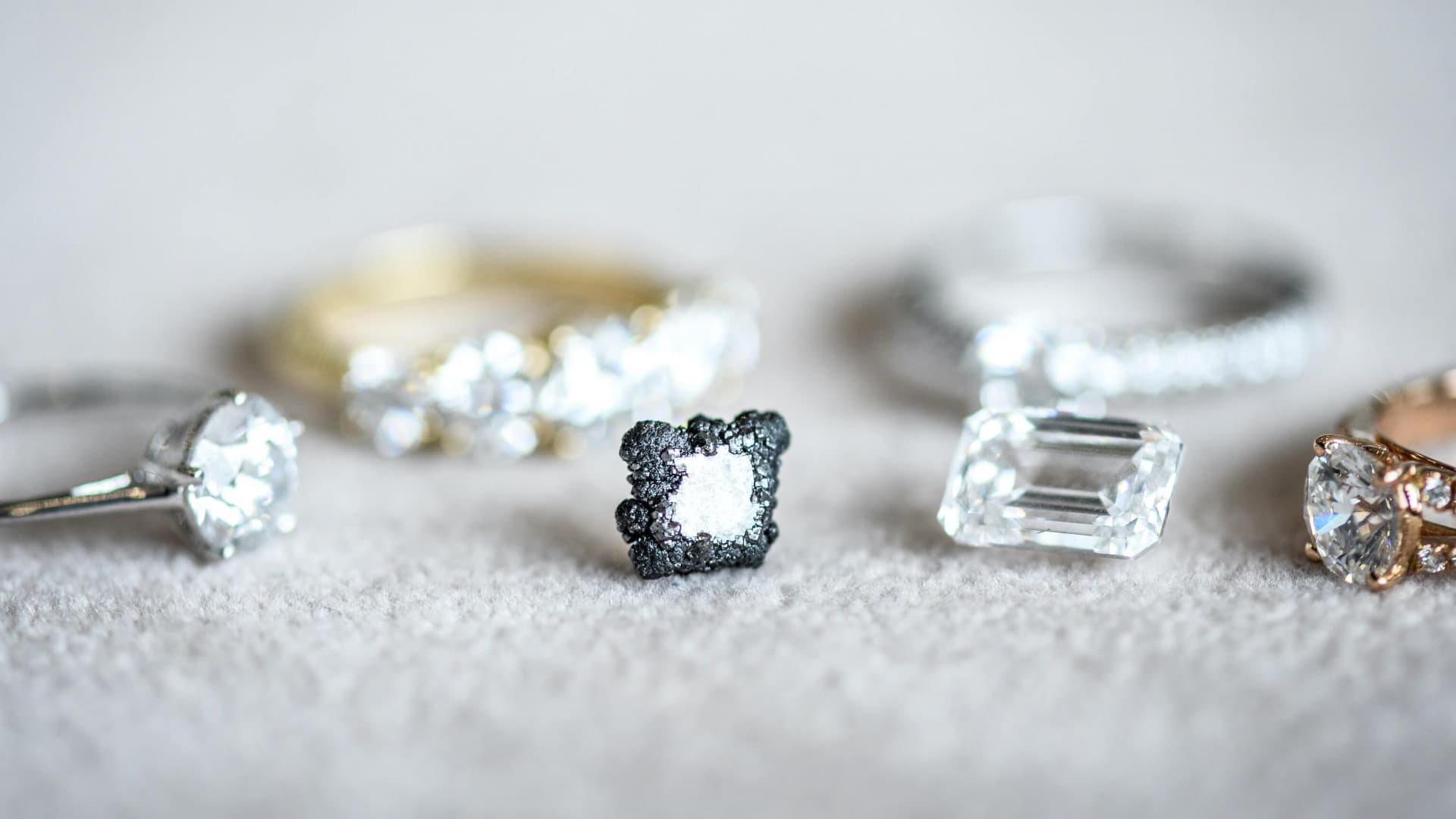
Long relegated to the realm of technological curiosities, lab-grown diamonds are now shining brightly on the fingers, wrists, and earlobes of an entire generation. According to American diamond industry specialist Paul Zimnisky, they are projected to represent nearly 20% of the global diamond jewelry market in 2025. A more educated clientele, new expectations, and industry adaptation mark the current state of a sector that continues to make headlines.
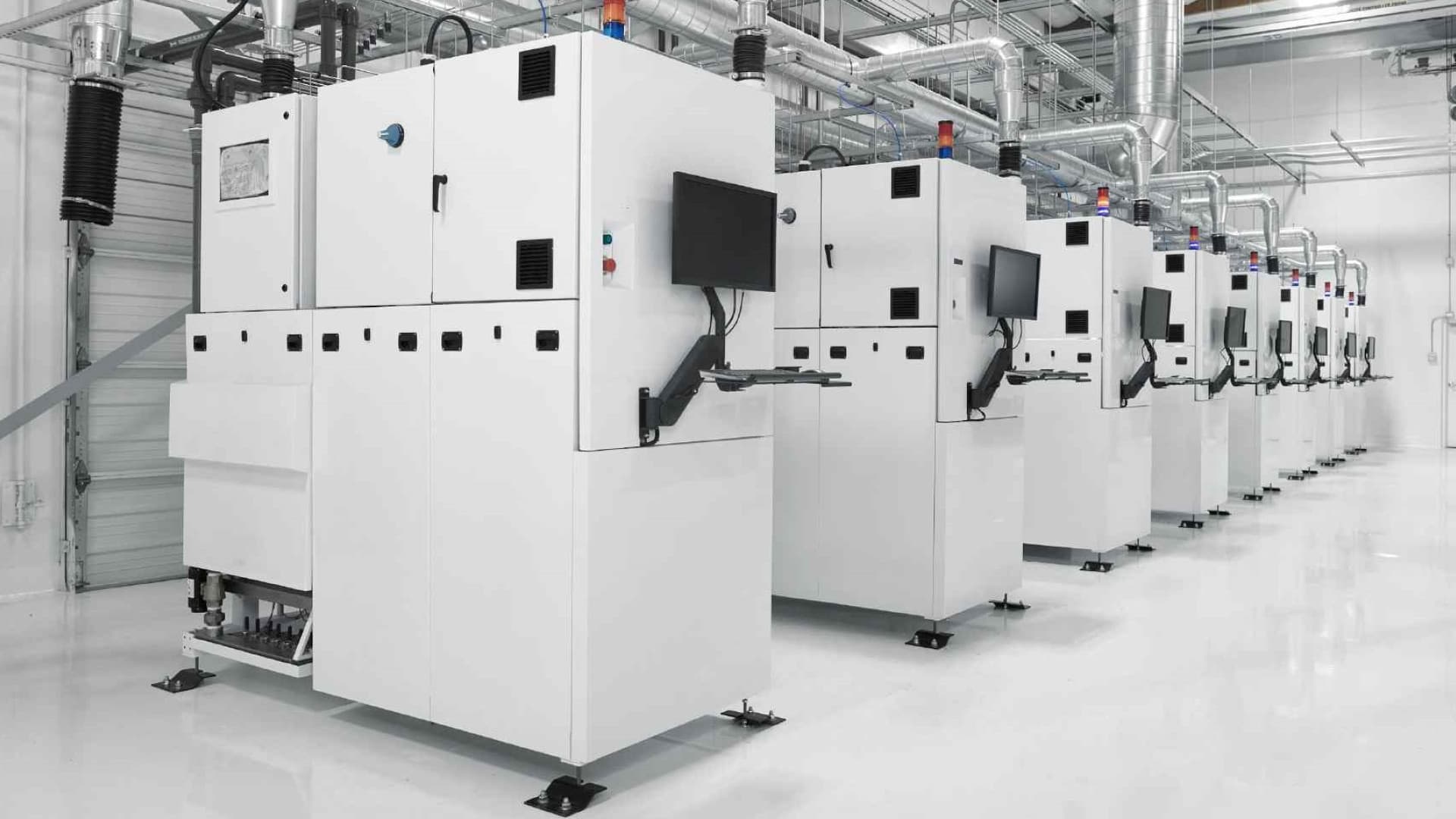
Just ten years ago, mentioning a synthetic diamond in a jewelry house was almost sacrilegious. Yet, these lab-created stones share the same chemical composition (pure carbon), hardness, and brilliance as their natural counterparts. The only difference? Their origin: grown in a matter of weeks using technologies like HPHT (High Pressure, High Temperature) or CVD (Chemical Vapor Deposition), these diamonds are produced outside of mines.
In 2025, the lab-grown diamond market is valued at $3 to $4 billion, compared to less than 1% of the market a decade ago. According to projections from Business Research Insights, this figure could reach $9.6 billion by 2033, evidence of massive adoption by the industry and consumers. According to Axios, nearly half of the diamonds sold this year are lab-grown.
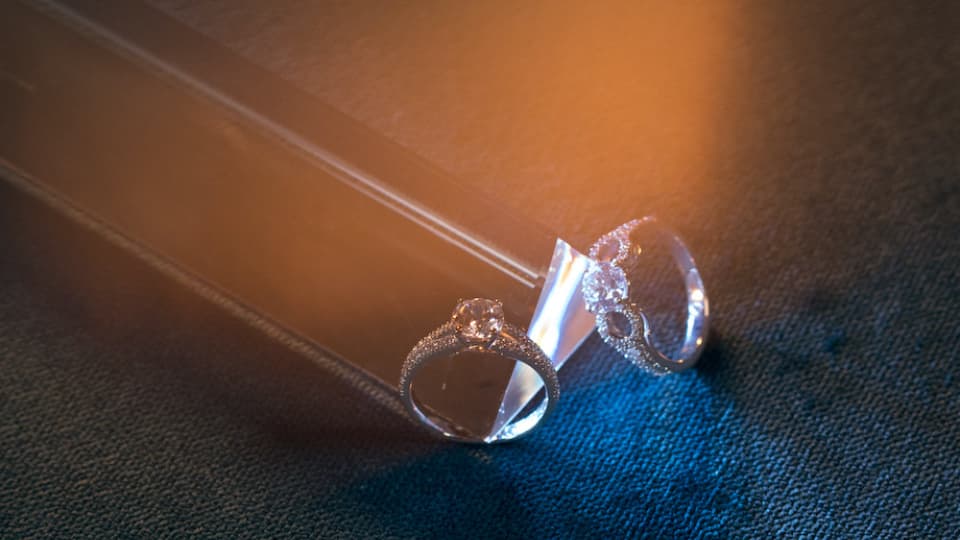
This represents a major structural shift, driven by new consumer expectations—particularly from millennials and Gen Z—seeking sustainability, traceability, and environmental and social commitment. Lab-grown diamonds meet these demands: they avoid issues related to “blood diamonds,” reduce carbon footprint, and enable custom manufacturing.
Among the pioneering brands, the house Courbet has established itself as a reference. Since 2018, this Parisian brand located on Place Vendôme has used only lab-grown diamonds and recycled gold.
At Courbet, clients range from 25 to 70 years old, with strong representation from younger generations. Their common trait: a pronounced taste for sustainability, originality, and unique pieces. This is illustrated by the “Céleste” collection, the brand’s best-seller, imagined by Marie-Ann Wachtmeister, co-founder and artistic director of Courbet, which blends contemporary volumes and graphic arabesques, far from the rigid codes of classic jewelry.
It is also noteworthy that “custom-made” represents 60% of the house’s revenue, a strong indicator of the desire for personalization. Lab-grown diamonds indeed allow for novel cuts (triangular, hexagonal, asymmetric…) that are difficult to achieve with natural stones.
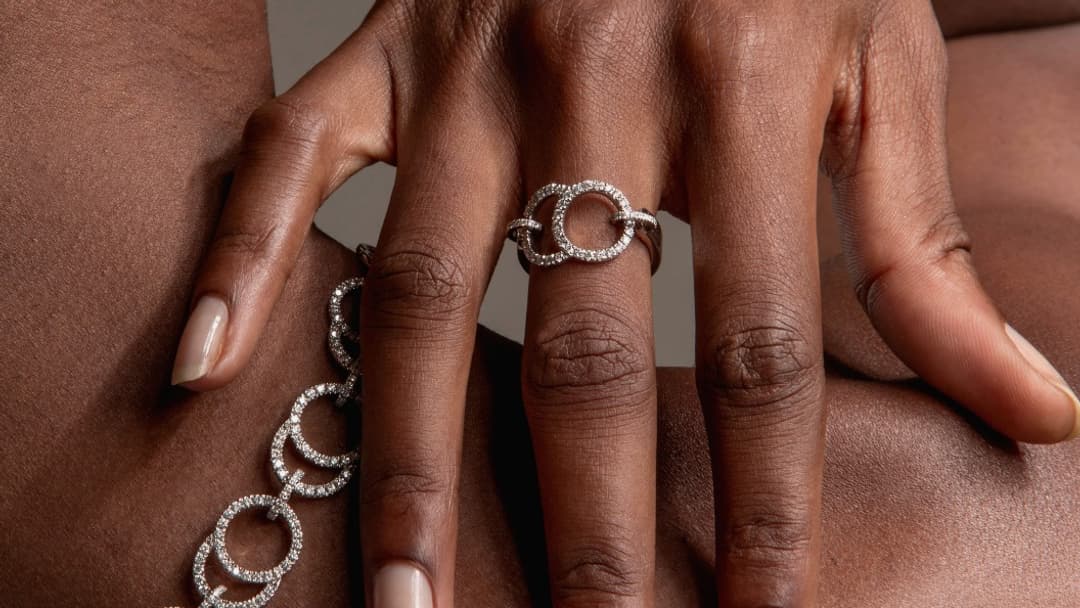
A striking example: the house Prada, which launched in 2024 a chain set with 40.2 carats of triangular lab-grown diamonds—a remarkable technical feat that would have been complicated to achieve with natural materials.
Price also remains a significant argument. According to the Geminove platform, a 1-carat lab-grown diamond costs between €195 and €230, compared to €2,200 to €2,500 for its natural equivalent. This difference is notably due to the optimization of production technologies and increased supply.
If the Courbet house paved the way, other major names are now following suit. Fred, TAG Heuer, and even Breitling are integrating lab-grown diamonds into some of their collections. Breitling has even announced a transition to 100% synthetic diamonds by the end of 2025.
For jewelry houses, the advantages are multiple: a modernized image, potentially higher margins, better inventory management… The extractive model is giving way to on-demand production, which is more agile and virtuous. The lab-grown diamond is therefore no longer a marginal alternative; it has become a pillar of a renewed luxury, more responsible and more in tune with contemporary desires.
And, if Marilyn Monroe were still alive, there’s no doubt she would rewrite the cult song from the 1953 musical “Gentlemen Prefer Blondes” by singing at the top of her lungs, “Lab-grown diamonds are a girl’s best friend, too.”