Editor’s Note
This article explores how Boucheron, under CEO Hélène Poulit-Duquesne, is driving a modern renaissance by blending audacious innovation with its storied heritage, transforming high jewellery with unexpected materials and concepts.
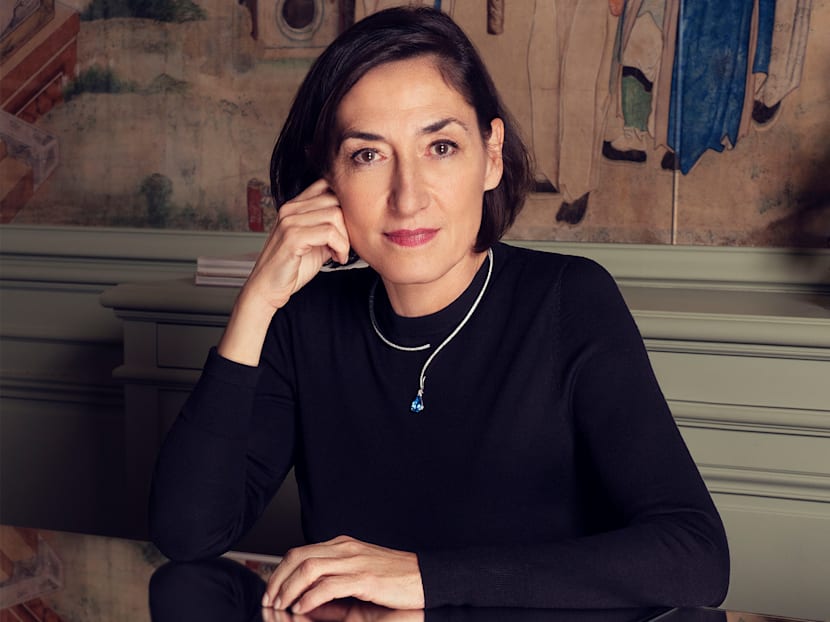
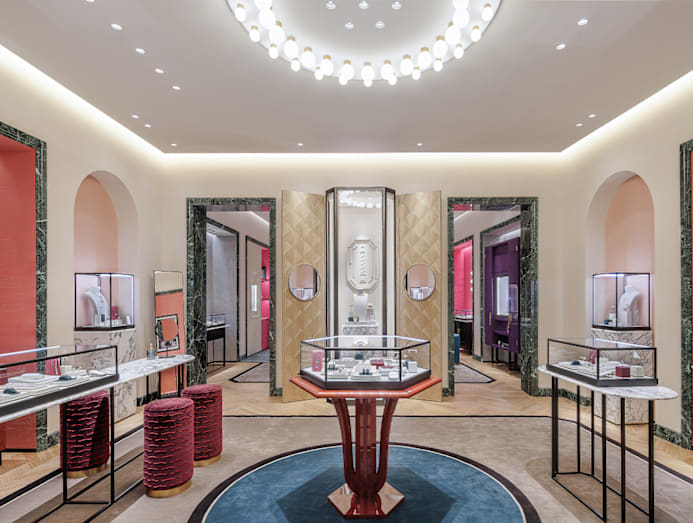
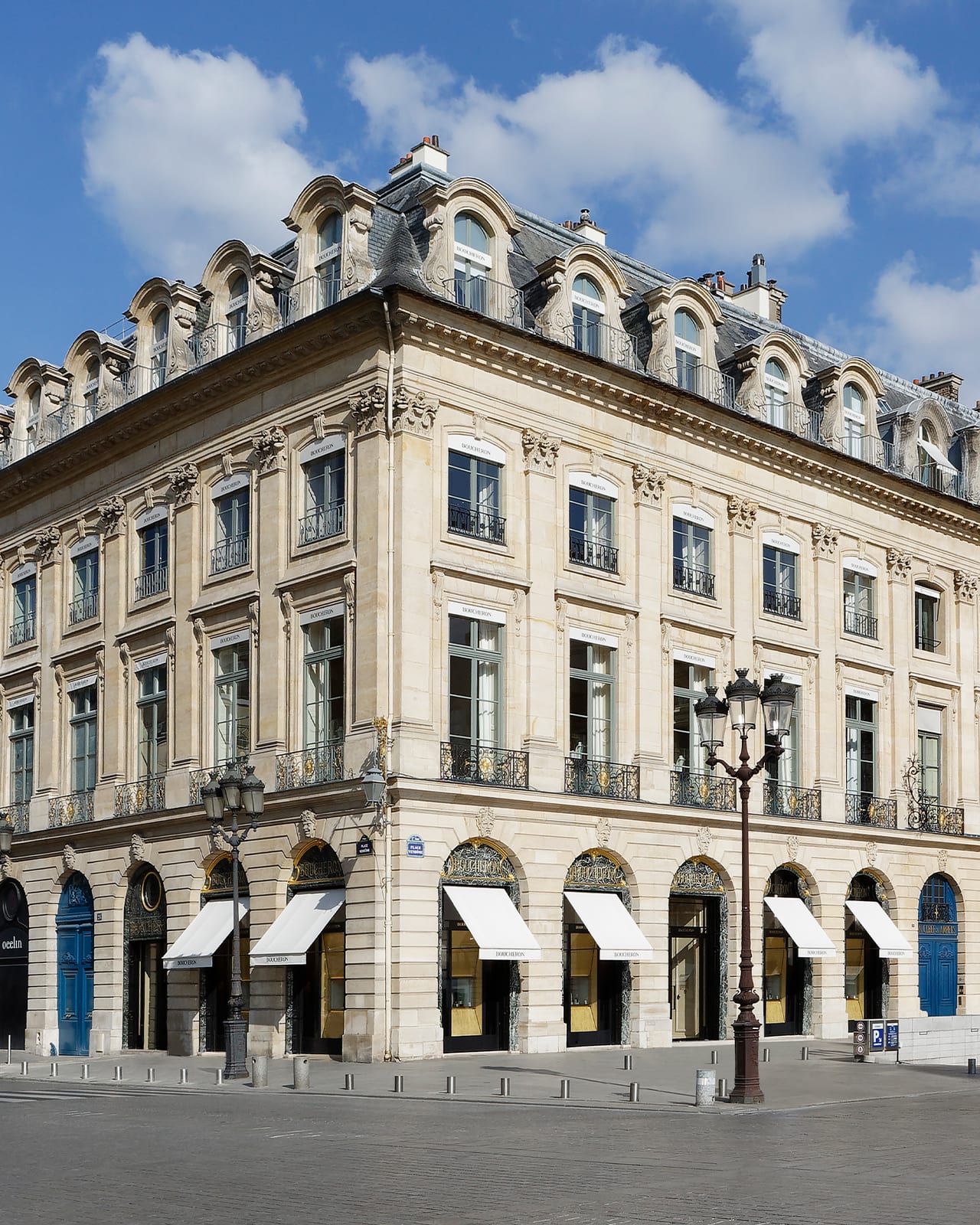
For Hélène Poulit-Duquesne, who celebrates her 10th year as Boucheron’s CEO this September, two ideas are the twin engines of a very modern renaissance. Under her stewardship, the French maison has evolved from a heritage house with untold potential into the industry’s most daring innovator – one that embeds ocean sounds into memory rings, transforms real flowers into eternal jewels and challenges every convention of high jewellery and luxury. From the renovation of Boucheron’s iconic 26 Place Vendôme flagship to pioneering sustainable packaging solutions, Poulit-Duquesne has balanced reverence for the maison’s rich past with an unwavering commitment to contemporary relevance.
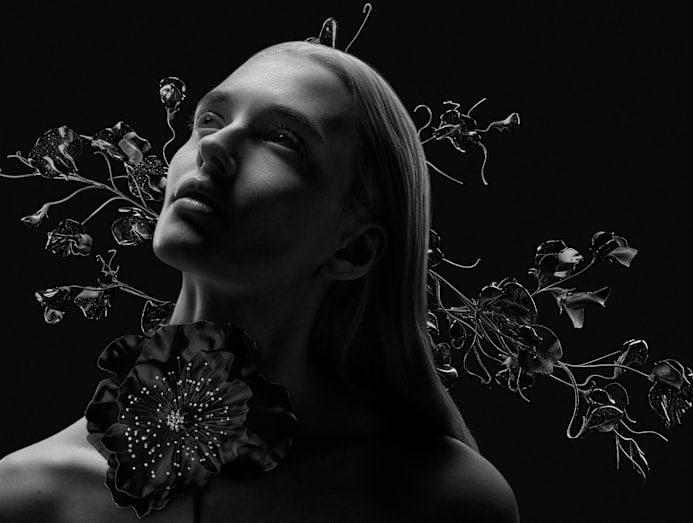
As with every Carte Blanche collection, Impermanence advances innovation on every front: in form, with art objects that conceal multi-wear jewels; in technique, with ultra-high-resolution 3D printing and a couture diamond setting developed specifically for this collection; and in materials, spanning gold and precious stones to borosilicate glass, plant-based resin, titanium, ceramics and Vantablack – a revolutionary material that absorbs 99.965 per cent of visible light, making it among the darkest substances ever engineered.
Technology will never replace craftsmanship at Boucheron; it will always enrich it. Innovation is not an end in itself, but a means to serve emotion and creativity. Our approach is to pair new techniques with ancestral savoir-faire to create pieces of high emotional value. The aim isn’t to replace traditional craftsmanship, but to enrich it with new creative possibilities. Our R&D team and artisans work hand-in-hand, so every innovation respects high jewellery standards. A great example is our Jack de Boucheron Ultime capsule. Here, we were intrigued by Cofalit, a material made from recycled industrial waste, and set out to give new meaning to something usually considered the opposite of luxurious. By cutting, polishing and setting it with the same precision as a precious stone, our teams conferred a new nobility on the material.
With experts and specialised engineers, we eco-designed a new object across its life cycle, from raw material selection to circularity after use. We reduced formats from 12 to seven, cut components from 11 to two recyclable materials – aluminium and wool felt with no plastics – divided the weight by four to reduce transport emissions and costs, and replaced the clamshell mechanism with a new lid opening that is simpler to service and more durable. Just as importantly, each case becomes a beautiful object clients can reuse at home.
Within the world of high jewellery, heritage and daring can appear at odds. The CEO’s strategy has been bold and methodical, marked by the establishment of two distinct high jewellery collections annually, spearheading aggressive international expansion into China and the US, and fostering an unprecedented creative partnership with Claire Choisne, Boucheron’s creative director, that has redefined the boundaries of high jewellery design and savoir-faire.
Through it all, the CEO has kept the brief deceptively simple – innovation should serve emotion; craftsmanship must be elevated, never eclipsed, by technology; and the women or men who wear Boucheron should remain at the centre of every decision.
In this email interview, Poulit-Duquesne reflects on a decade of transformation and looks ahead to the next wave of creation.