Editor’s Note
This article examines the paradox of high-profile art theft, using the recent Louvre heist as a case study. It explores why such iconic pieces, like the empress’s brooch, become virtually impossible to monetize, transforming from priceless jewels into burdensome liabilities for the thieves.
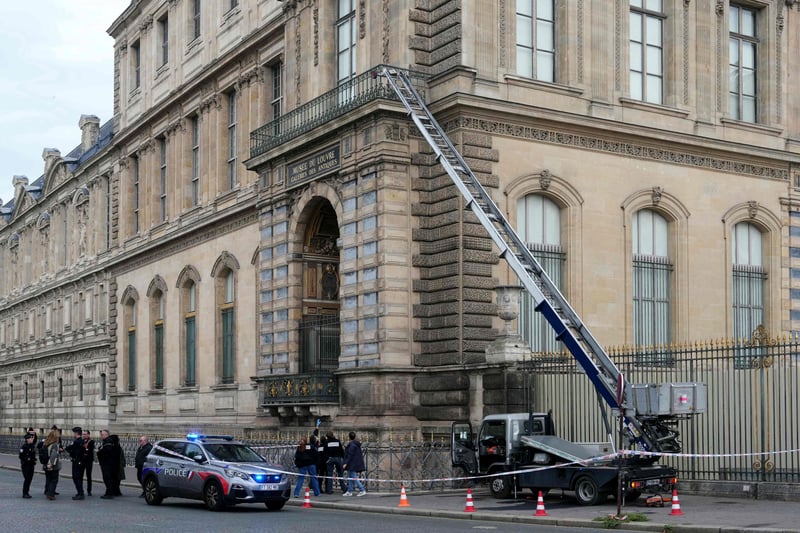
The spectacular jewelry heist at the Paris Louvre is unlikely to bring the perpetrators quick profit. Experts consider the sale of the loot – including a diamond-set bow-shaped corsage brooch that once belonged to Empress Eugénie – on the black market to be nearly impossible.
French authorities speak of priceless value. When the brooch was last sold, it fetched around 6.72 million euros. Four days after the theft, its current price is difficult to estimate.
If the robbery was not commissioned, the pieces are considered “hot” from the art market’s perspective – too well-known to sell or display publicly. On the black market, however, only large discounts would be possible. Selling the jewels individually would be more discreet but equally risky and complicated.
The stolen jewelry pieces – diamonds, emeralds, sapphires, and gold – could be broken down, re-cut, or melted down. Officially, the value of the eight pieces is estimated at 88 million euros, but according to Paris prosecutor Laure Beccuau, this value could not be achieved by selling the approximately 9,000 gemstones individually.
Normally, it’s the precision of the heist that fascinates, but the next stage – offloading the high-caliber loot – is no less risky.
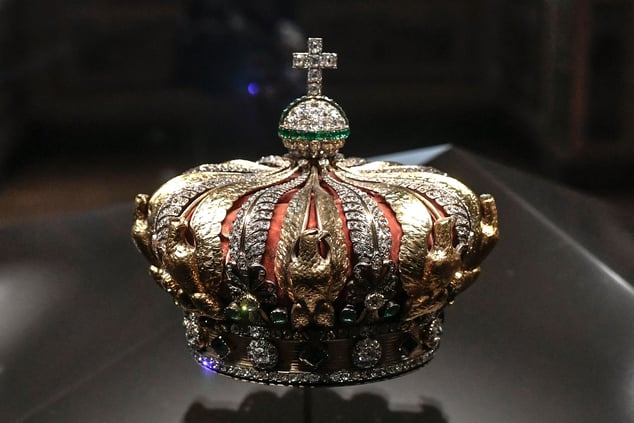
The gemstones likely constitute the largest part of the value but are clearly identifiable by size and weight. To circumvent this, according to Chambers-Farah, they could be broken down, re-cut, and reassembled, making them nearly unrecognizable.
Tobias Kormind, managing director of jeweler 77 Diamonds, estimates the value of the stolen stones at about 10 million pounds (11.5 million euros). A large portion is attributed to four large diamonds set in one of the stolen brooches.
Melted-down gold is difficult to trace, and the gold price has risen by almost 60 percent this year. However, unlike the solid gold toilet stolen from Blenheim Palace in 2019, the Louvre jewelry contains too little metal to make the robbery worthwhile for that reason alone.
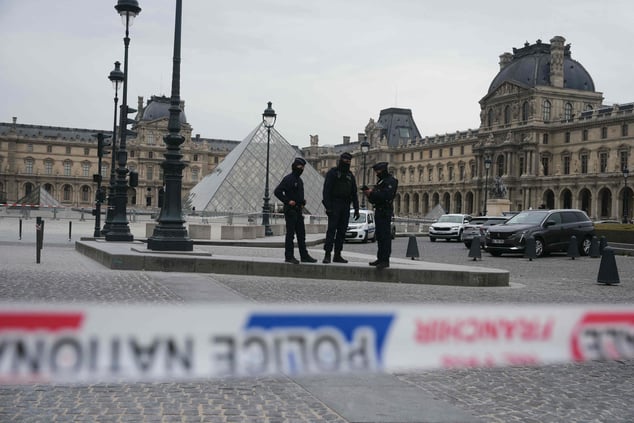
Politicians, police, and the Louvre’s security personnel are facing criticism over the theft. The insufficient surveillance in the exterior area – which allowed the perpetrators to approach unnoticed with a furniture lift – may have made the museum an easier target than the heavily secured jewelry stores on Place Vendôme.
Selling the loot in parts would release the material value but simultaneously destroy the historical one. French police are trying to find the pieces before this happens.
Just last month, according to the Interior Ministry, a 3,000-year-old gold bracelet from the Egyptian Museum in Cairo was melted down.
Although French Justice Minister Gérald Darmanin described the stolen pieces as “priceless,” many of them once bore price tags.
The large corsage brooch of Empress Eugénie, stolen on Sunday, was acquired in 2008 with support from the donor association Friends of the Louvre for 6.72 million euros. It was originally supposed to be auctioned at Christie’s in New York before the museum bought it privately. As early as 1887, the piece was removed from the French crown jewels and sold to a jeweler for 42,200 francs (then equivalent to about 85,000 euros).
An emerald necklace with matching earrings that belonged to Empress Marie-Louise was bought by the Louvre in 2004 from Baron Élie de Rothschild. According to museum records, which do not state a price, the set originally came from Van Cleef & Arpels and was in the possession of the Baron’s late wife.