Editor’s Note
This article explores how the caviar house Volzhenka is reinventing the iconic delicacy for a modern audience, blending luxury with contemporary culture.
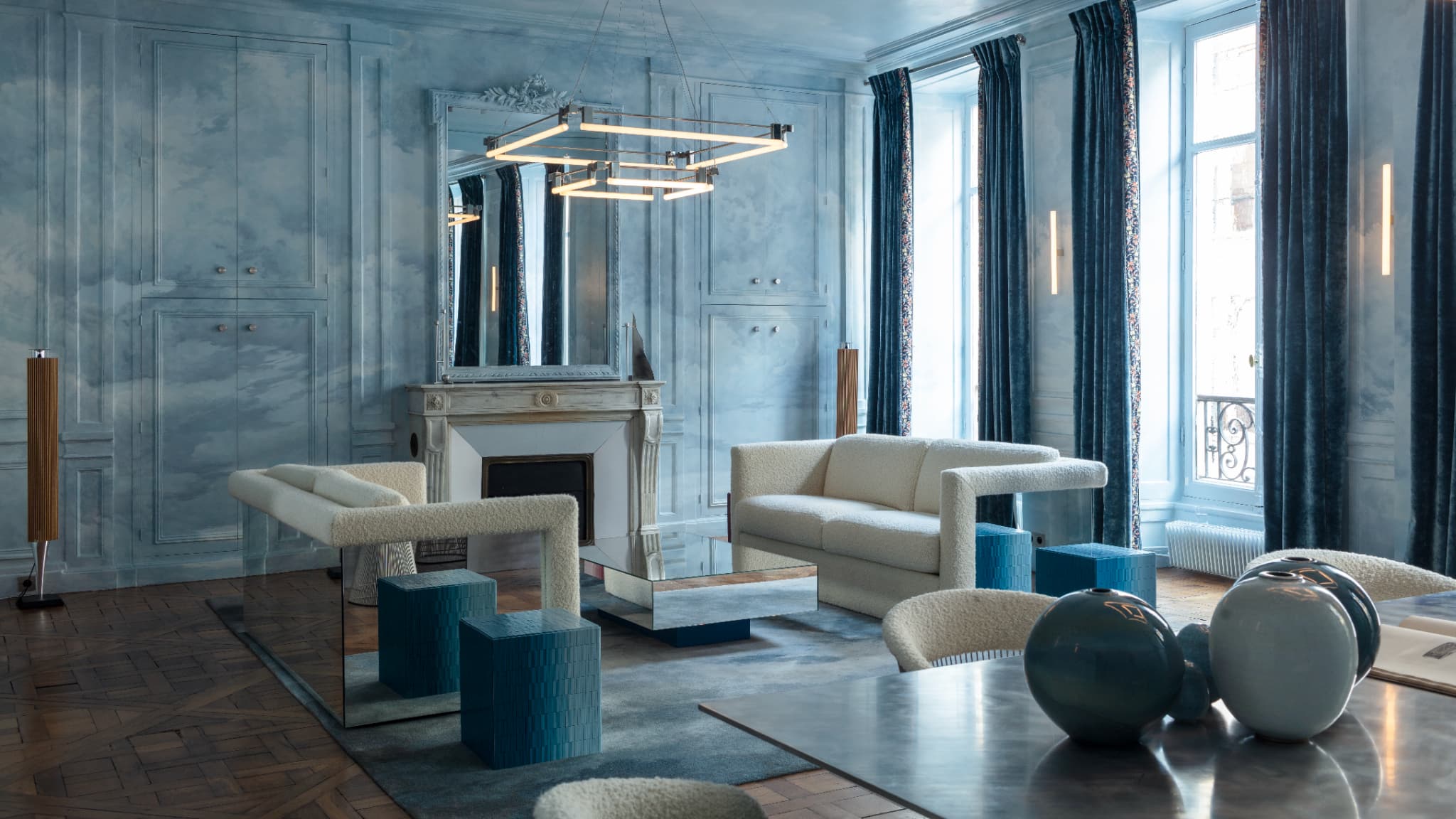
A private apartment on Rue Saint-Honoré, croissants dipped in caviar, a photoshoot with Monica Bellucci… With the caviar house Volzhenka, the most emblematic dish of gastronomy is enjoying a new youth.
When one thinks of caviar, few imagine the landscapes of Eastern Macedonia. Yet, it is precisely in Drama, Greece, that Maison Volzhenka – founded by Ekaterina Bataeva, a young heiress to Caspian expertise – now cultivates its black gold.
Born in Astrakhan, a Russian city on the banks of the Volga, Volzhenka is based in Paris but cultivates its caviar in Greece.
Why Greece? Because since 2007, the European Commission has suspended the import of wild caviar from countries around the Caspian Sea, primarily due to overfishing, poaching, and the risk of sturgeon extinction. Greece emerged as a strategic choice, offering a protected environment, ultra-pure spring water, a stable ecosystem, and an exceptional water renewal rate of 1,200 liters per second.
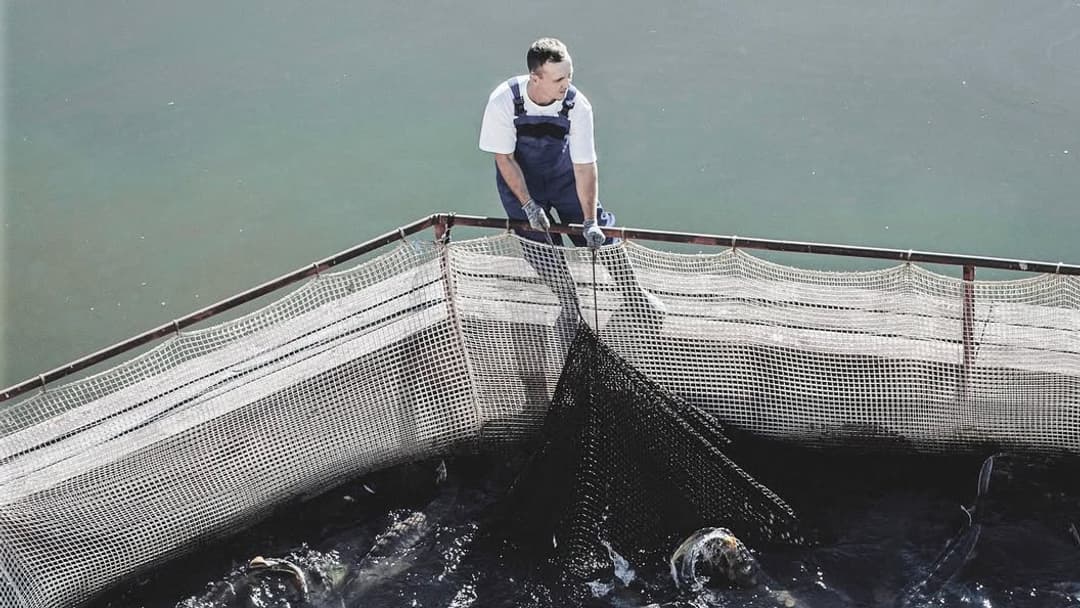
The result is a slow, hormone-free farming process where sturgeons grow at nature’s pace, fed with krill and anchovies from the Aegean Sea. An added advantage is direct logistical proximity to European capitals, ensuring freshness and responsiveness.
The house is affiliated with the Beluga Sturgeon Fish Rescue and Protection Fund, to raise awareness among future generations about more ethical production. It was also a pioneer in developing so-called “cruelty-free” techniques, such as “milking,” a method of extracting caviar without killing the fish.
Volzhenka raises four species of purebred Caspian Sea sturgeons: Siberian, Osciètre, Sevruga, and Beluga. The Osciètre caviar, one of the house’s most emblematic, requires 10 to 12 years of farming before harvest. The Sevruga, more intense in flavor, requires 7 to 8 years, while the very rare Beluga can take up to 20 years. This deliberate slowness justifies prices ranging from 250 to over 2,500 euros per 100 grams, depending on the species, rarity, and aromatic complexity.
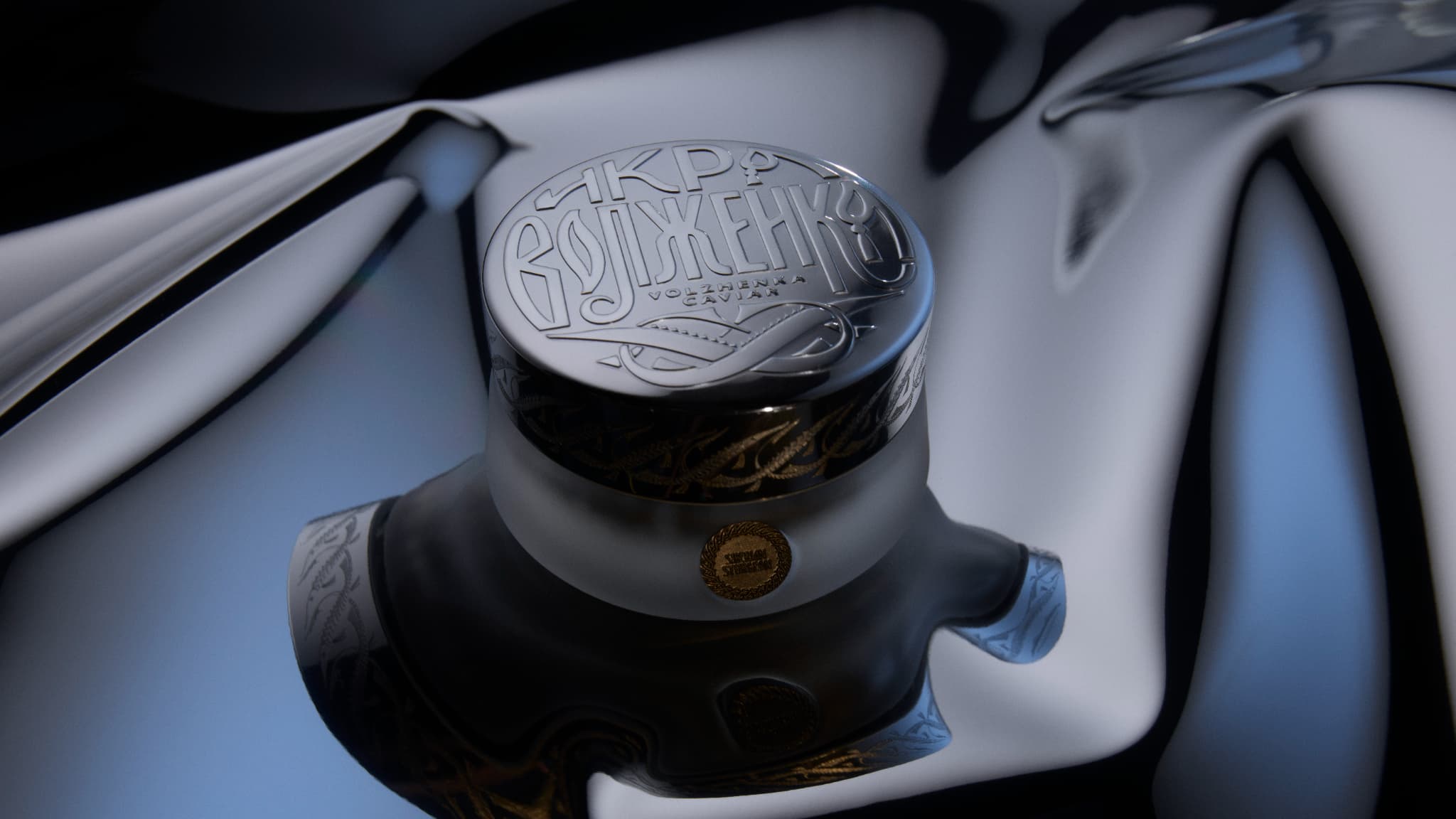
Here, there are no standardized metal tins; the caviars are presented in custom-made glass jars, inspired by 19th-century French glassware from Lalique, housed in black leather cases reminiscent of watch boxes. Not to mention the “ritual” accessories, like the delicate twisted mother-of-pearl spoons designed by Ramdane Touhami (the artistic director of Officine Universelle Buly). Volzhenka cultivates a controlled lifestyle image, never sinking into “bling.” When it invites Monica Bellucci for a photoshoot for Vogue Greece, it’s to embody timeless, discreet elegance. An aesthetic that extends into its visual content: refined photoshoots, hushed atmospheres, young muses, and celebrities from fashion, design, or gastronomy…
Proof of this is in Paris, at 416 Rue Saint-Honoré, where Volzhenka has opened a unique space: a private apartment conceived as a physical extension of the brand. Halfway between a confidential gallery, a host’s table, and a high jewelry showroom, the space hosts custom dinners, corporate events with luxury houses such as Chanel, Louis Vuitton, or Balmain. Here, caviar is tasted by the spoon, on pearlescent tableware, accompanied by fresh flowers and a carefully selected soundtrack.
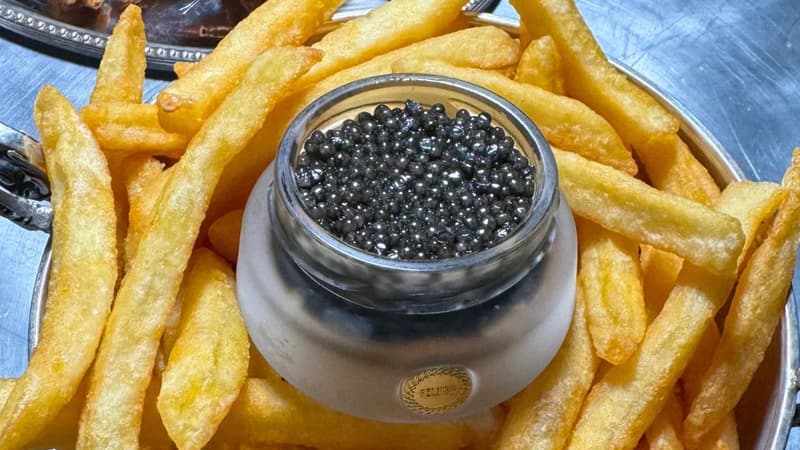
This is where the business model stands out. Because if Volzhenka is making headlines, it’s not only for its commitments or the quality of its caviar. It’s also for the way it has managed to integrate caviar into a freer, more narrative consumption culture. Gone are the lukewarm blinis and toasts frozen in an aging vision of luxury. Here, caviar is enjoyed with cucumbers, roasted sweet potatoes, or even as a topping on artisanal vanilla ice cream.
The famous “caviar bump,” served directly on the back of the hand, becomes a carefree nod to party rituals.