Editor’s Note
This article highlights how Saharanpur has evolved into a significant logistical and cultural hub for the annual Kanwar Yatra, leveraging its strategic location and embracing modern design trends to cater to pilgrims.
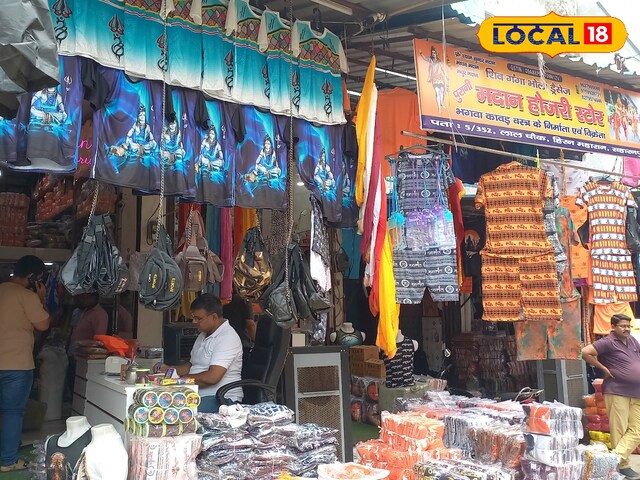
Saharanpur has become a key center for the Kanwar Yatra. This time, nearly 80 varieties of attire featuring AI and 3D designs have been prepared for the Kanwar pilgrims (Kanwariyas), which are being supplied across the country.
Saharanpur, located at the far end of Uttar Pradesh, becomes a confluence of faith and joy during the Kanwar Yatra. The district is connected to Uttarakhand, Haryana, and Himachal Pradesh, so millions of Kanwariyas pass through here daily on their way to Haridwar. Not only is this stop on the pilgrimage of special significance, but this location has also now become a major production center for the attire of the Kanwariyas.
The Kanwar Yatra, once limited to just saffron garments, has now entered a new era of design and technology. In Saharanpur this time, nearly 80 types of dress varieties have been prepared, with AI (Artificial Intelligence) based designs and 3D printed attire being the most talked about. These attires not only make the Kanwariyas look attractive but also demonstrate the uniformity of their groups.
According to local trader Murarilal Madan, earlier only simple saffron garments were made, but now demand has also changed according to social media and trends.
Screenshots of AI designs circulating on platforms like WhatsApp are now reaching shopkeepers. Customers send their preferred designs and want to get similar attire made. This is why every shopkeeper now has to keep 70 to 80 types of varieties ready.
The attire prepared in Saharanpur is not limited to the local market. These attires are supplied across India, including Chhapra, Basti, Chandigarh, Delhi, Haryana, and Himachal Pradesh. Currently, digitally printed kurtas and garments with front-back prints are the most popular.
While the Kanwar Yatra is a symbol of devotion and faith, in cities like Saharanpur, it has also become a means of large-scale employment and business. Thousands of people are involved in the process here, from sewing and embroidery to packaging. Thus, this pilgrimage has become important not just spiritually, but also from an economic and social perspective.