Editor’s Note
This excerpt highlights a growing trend in the luxury market, where exclusivity and high-end positioning are becoming increasingly critical for brands targeting affluent consumers.
Observations suggest that the polarization phenomenon among brands will become more pronounced in the global and domestic luxury markets in the second half of this year.
While the concentration of popularity towards the so-called ‘HeruSha’ (Hermès, Louis Vuitton, Chanel) has been a topic in the luxury market, a solo lead system by Hermès is now becoming evident even among these three major brands. This is due to the continued ‘high-end preference’ of affluent individuals who seek to differentiate themselves from the masses and purchase luxury items with high scarcity, even during economic downturns.
According to the luxury industry on the 10th, Hermès recorded global sales of 3.9 billion euros (approximately 6.19 trillion KRW) in the second quarter of this year, a 9% increase year-on-year at constant exchange rates. Notably, Hermès drove its performance with balanced growth across all regions, centered on ultra-high-priced product lines like the Birkin and Kelly bags, where supply cannot keep up with demand.
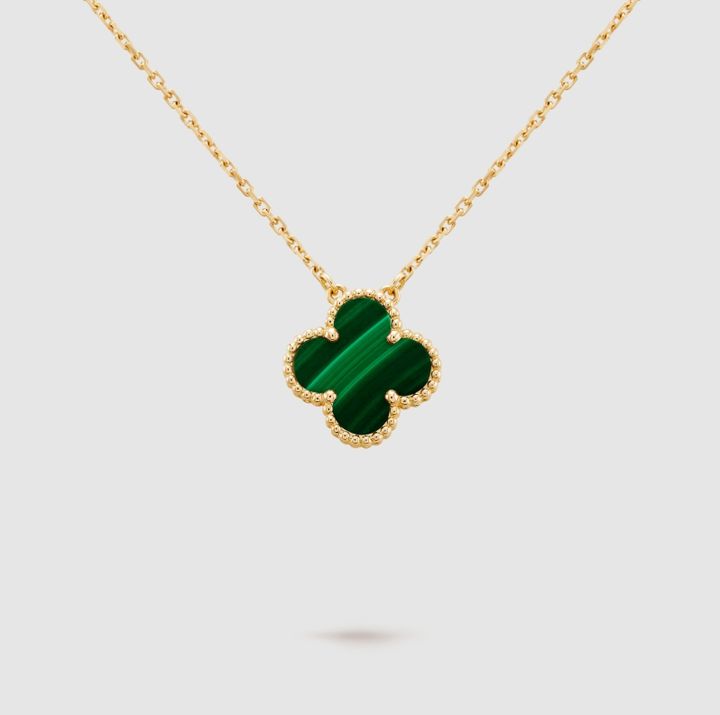
Richemont, which owns luxury jewelry brands like Van Cleef & Arpels, also recorded sales of 5.4 billion euros in the second quarter, a 6% growth year-on-year. Its jewelry division led with 11% growth, reconfirming the strength of ultra-high-priced products.
In contrast, LVMH (owner of Louis Vuitton) and Kering Group (owner of Gucci) saw their sales decrease by 4% and 18%, respectively, during the same period.
![[서울=뉴시스] 황준선 기자 = 서울 시내 한 에르메스 매장 모습. 2025.01.02. hwang@newsis.com](https://img1.newsis.com/2025/01/02/NISI20250102_0020648858_web.jpg?rnd=20250102142935)
This shift in luxury consumption trends is also detected in the ‘2025 True Luxury Global Consumer Insight Report’ recently published by the Boston Consulting Group (BCG) in collaboration with Italy’s Altagamma.
The report analyzed that while the ‘top-tier customers,’ comprising the top 0.1%, account for 23% of global luxury sales and lead the market, the middle class and aspirational shoppers, once considered the entry-level luxury consumers, are seeing their purchasing power diminish due to economic slowdowns and price burdens, gradually weakening their influence.
Amid this situation, the momentum for ‘N-th price hikes’ by luxury brands in the second half shows no signs of cooling. Following the lead of high-end brands, some luxury brands are not hesitating to raise prices to maintain their ‘brand value.’
Particularly in the first half of this year, luxury brands, including ‘HeruSha,’ have been leading price increases. Chanel raised prices for some bags and jewelry products in the domestic market by up to about 10% starting last June. This marks the third price increase for the Chanel brand this year. Louis Vuitton raised prices in January and again in April for representative products like the ‘Alma BB.’ Hermès, like an annual event, kicks off the new year with price hikes. This year, it raised prices for bags and jewelry by around 10% from the beginning of the year.
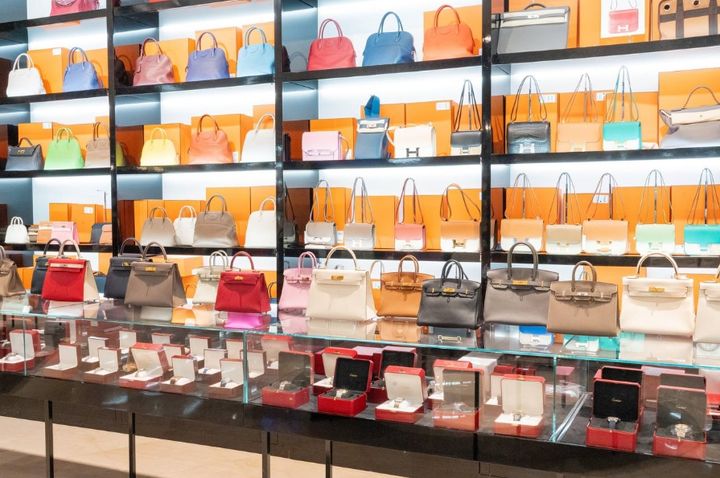
Meanwhile, domestically, consumers with rational spending tendencies are shifting entirely to the secondhand luxury market. Among these, the proportion of ‘mint-condition’ secondhand luxury goods, comparable to new products, is increasing. This is because they can secure near-new quality at lower prices.
Furthermore, according to industry sources, for consumers of high-end brands like Hermès, mint-condition items often serve as an alternative when it is difficult to find desired items in new product boutiques due to high scarcity or when purchase history requirements are insufficient.
Notably, as a prime example, Kangcas Department Store, located in a 12-story single building in Samseong-dong, Gangnam-gu, Seoul, has secured a large volume of goods as Asia’s largest mint-condition luxury shopping center, attracting customers from entry-level to high-end luxury goods.