Editor’s Note
The sale of De Beers, the world’s diamond leader, has become a significant challenge for parent company Anglo American. As this article details, the iconic brand is grappling with record losses, shifting global demand, and intense competition from lab-grown diamonds, making a potential deal increasingly complex.
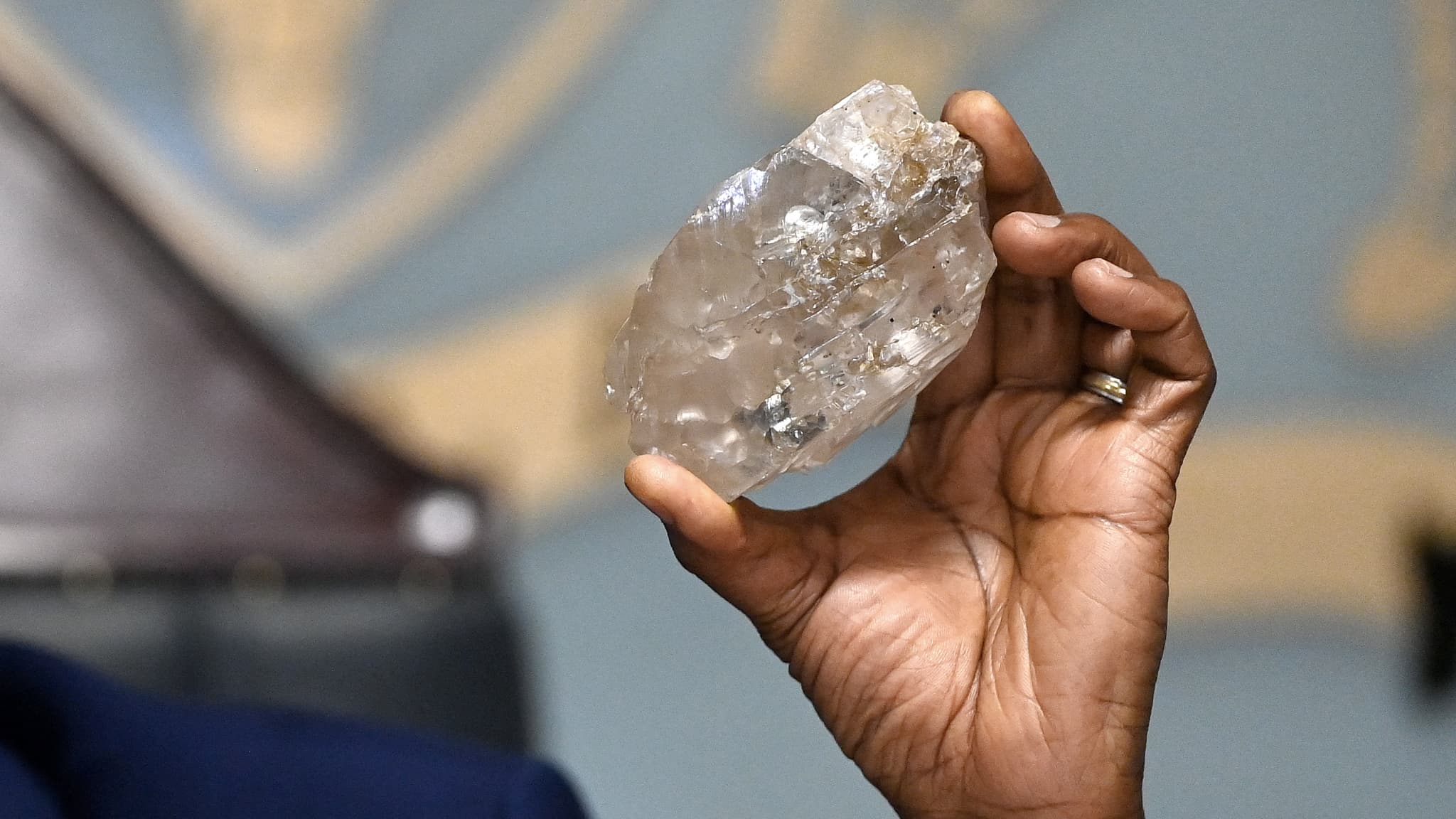
Put up for sale by the mining giant Anglo American for nearly two years, the world’s diamond leader, De Beers, is struggling to attract buyers. Weakened by record losses, a decline in global demand, and the rise of synthetic diamonds, the deal is proving to be a thorny one.
De Beers, the South African diamond conglomerate, is navigating turbulent waters. In financial difficulty and facing a market notably marked by competition from synthetic stones, the group on the market is struggling to find a buyer, while several African states and sovereign wealth funds are vying behind the scenes.
Far from the glitz and glamour, the world leader in the sector, De Beers, is not generating the expected enthusiasm. Founded in 1888 in South Africa by British colonist Cecil Rhodes, the company recorded $2.9 billion in losses in 2024 and could, according to its owner and seller, the British mining giant Anglo American, still be in deficit in 2025.
In May 2024, Anglo American, which owns 85% of De Beers, announced its intention to sell the company, now valued at $5 billion. A sale is complicated because the diamond sector is suffering from declining demand in China (the second-largest consumer of diamonds after the United States) but also because many potential buyers are in the running, including three sub-Saharan African countries and several sovereign wealth funds, making the operation sensitive both financially and politically.
Among the interested countries, Botswana, the world’s second-largest diamond producer after Russia, has shown the strongest desire to acquire a majority stake in the company. It should be noted that Botswana, which holds 15% of De Beers, had already attempted to finalize an agreement at the end of 2025, without success. Angola and Namibia, two neighboring countries also diamond producers, have also entered the race, along with several foreign sovereign wealth funds and a consortium led by former De Beers CEO Gareth Penny.
Botswana’s interest reflects the conviction that the country must better control a resource that accounts for nearly one-third of its GDP, in order to capture more value and secure its economic future. However, the International Monetary Fund warns: concentrating too many public resources on diamonds would increase fiscal risks and make this largely desert country more vulnerable to fluctuations in global demand. For specialist Paul Zimnisky, it would be relevant to involve private capital as well as leaders with appropriate experience.
As is often the case in this type of transaction, mystery prevailed and the Anglo American group did not let any details of the negotiations leak, with its CEO Duncan Wanblad merely indicating on Thursday that the sale of De Beers “is progressing.”
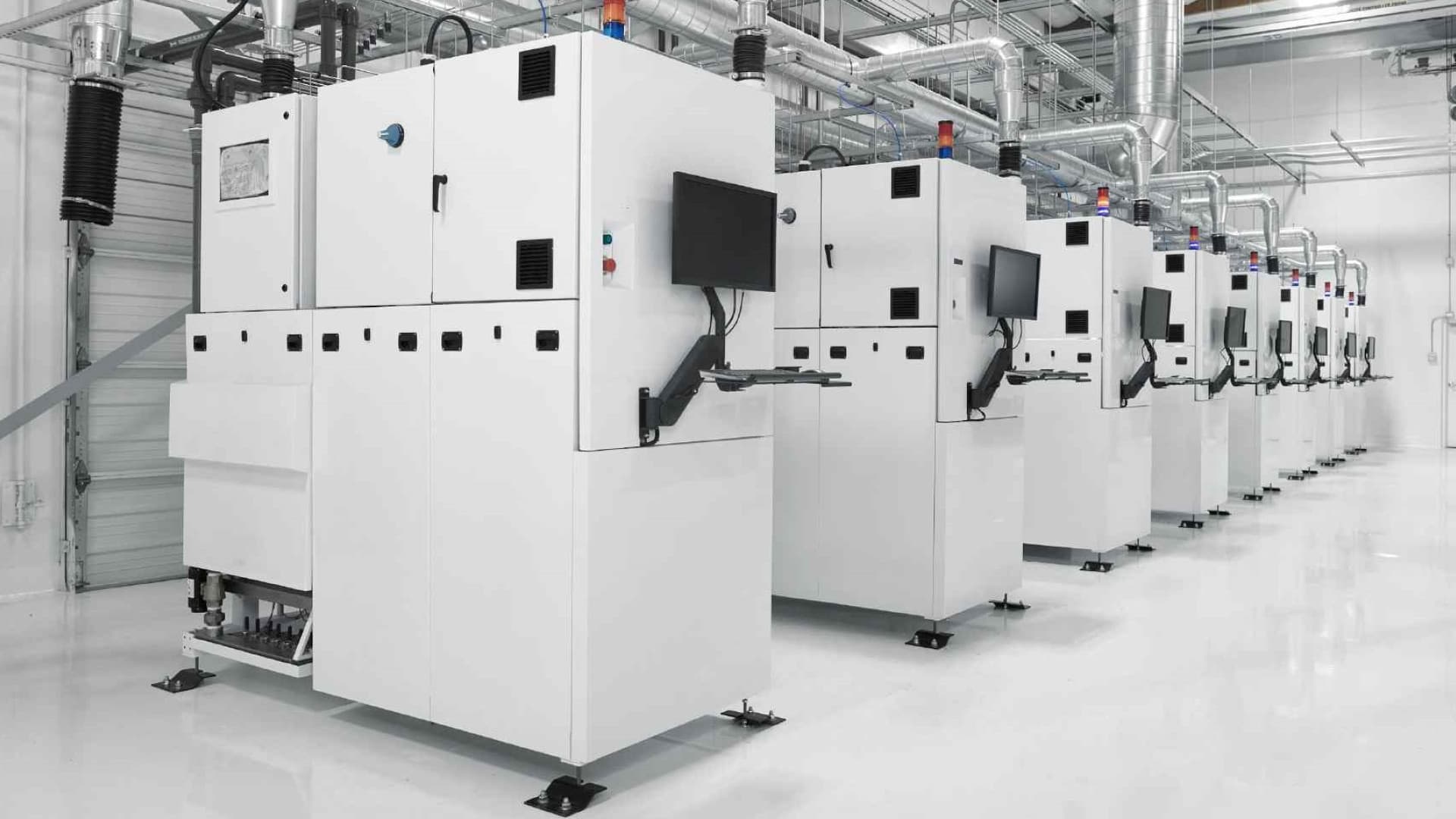
This loss of momentum for natural diamonds is also explained by the rise of synthetic stones, which have become a credible competitor for the traditional industry in just a few years.
Indeed, in 2025, the lab-grown diamond market is estimated at between $3 and $4 billion, whereas it represented less than 1% of the sector a decade ago. According to projections from the firm Business Research Insights, it could reach nearly $9.6 billion by 2033, illustrating rapid adoption by both jewelers and consumers. According to the site Axios, nearly one in two diamonds sold this year would now come from a laboratory.
Produced in laboratories, these stones notably avoid controversies related to “blood diamonds,” display a lower carbon footprint, and offer possibilities for custom manufacturing at prices significantly lower than those of natural diamonds.
Simultaneously, the sector is also suffering from US tariffs and the reconfiguration of trade routes that are disrupting the flow of rough stones to major cutting and polishing hubs, such as India.