Editor’s Note
This article discusses new regulations affecting small-scale backyard poultry keepers, highlighting how recent legislation imposes health controls and limits on the sale of home-produced eggs.
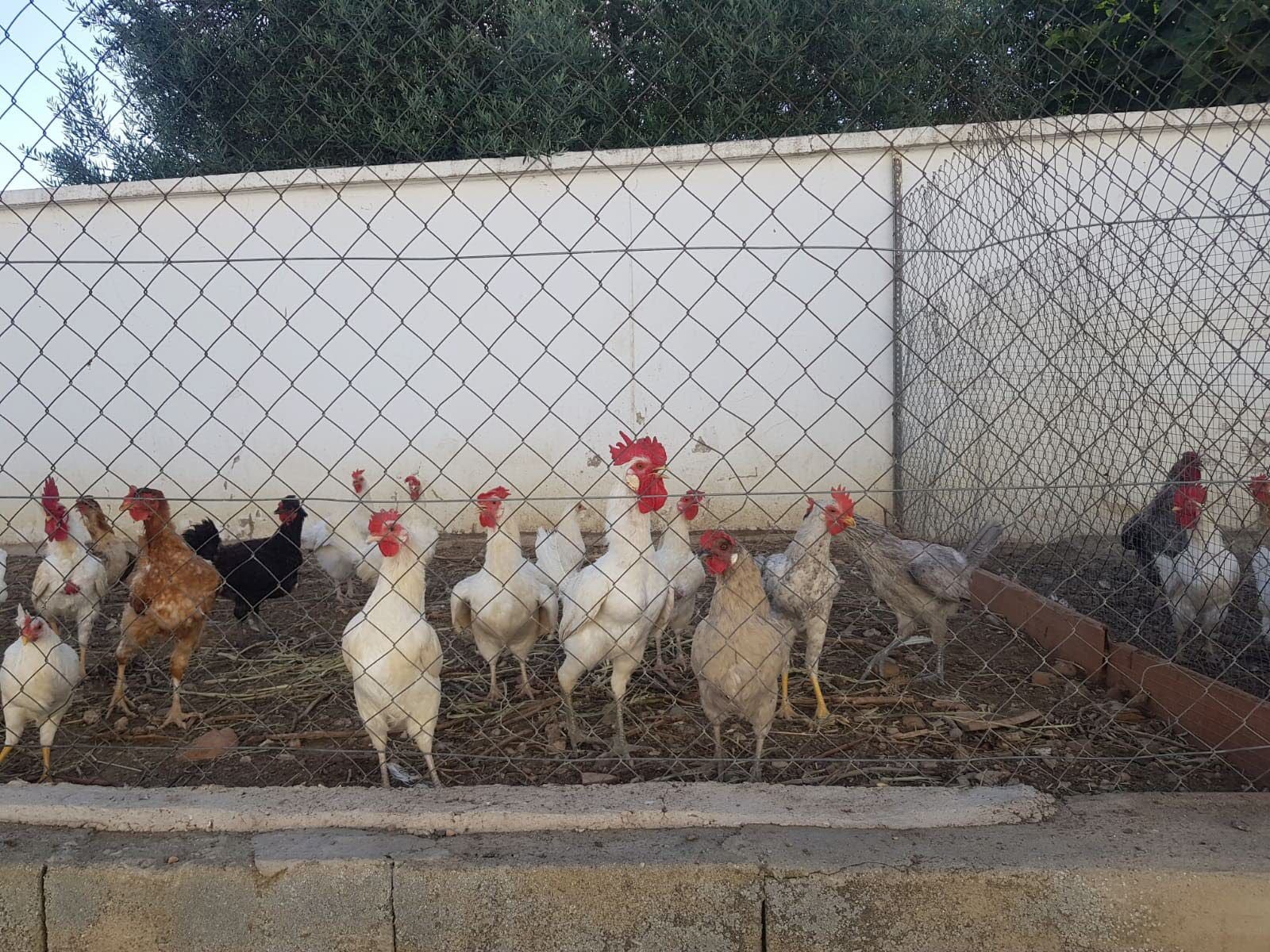
Among families living in rural environments, it is common to have a small henhouse at home with a limited number of hens and other poultry. These are known as self-consumption farms and allow households to have fresh eggs. However, with the entry into force of Royal Decree 637/2021, this tradition has been affected by new regulations that limit their commercialization and establish mandatory requirements for their health control. Failure to comply with the established rules can result in fines of up to thousands of euros.
Since January 1, 2024, all people who have hens, even for their own consumption, must register them with the competent authorities.
This measure seeks to guarantee traceability and food safety, allowing greater control over animal health and disease prevention. However, the registration process may vary depending on the autonomous community.
One of the most important aspects of the Royal Decree is the express prohibition of selling eggs from self-consumption farms. This means that eggs obtained at home can only be consumed by the producer and their family, with no possibility of sale to third parties in markets, shops, or fairs.
Those who have these farms must comply with certain minimum standards of animal welfare and biosecurity. It is essential that hens have access to clean water, adequate food, and suitable spaces for their development.
Furthermore, all surgical interventions that are not for therapeutic or diagnostic reasons are prohibited, although there are exceptions such as beak trimming of birds, which is allowed “once all other measures aimed at preventing feather pecking and cannibalism have been exhausted,” or the castration of chickens, provided it is performed by trained personnel and under the supervision of the farm veterinarian. However, each operation performed on the animals must be recorded, noting the date, the name of the veterinarian, and their ID or NIE number.
Failure to comply with these regulations can lead to significant financial penalties. Fines can range from 600 to 3,000 euros, depending on the severity of the offense.