Editor’s Note
This article examines the severe economic and social impact of counterfeiting on Europe’s luxury sector, highlighting how this illicit trade undermines brands, innovation, and employment.
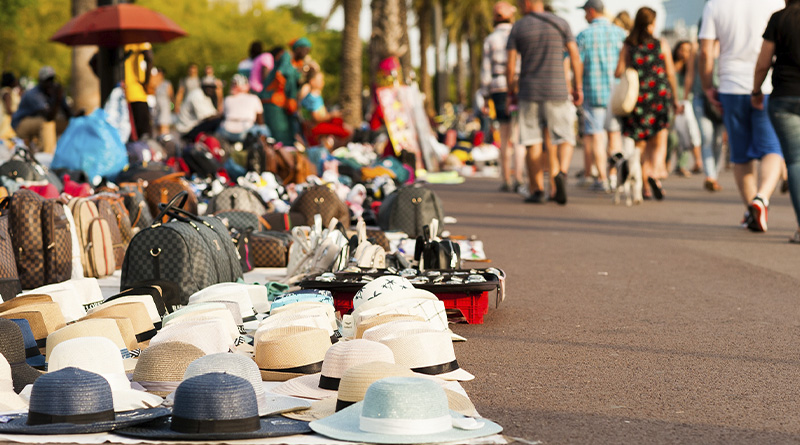
Counterfeiting has become one of the main challenges for luxury brands in Spain and Europe. In Spain alone, annual losses due to this issue amount to 5.7 billion euros, a figure that goes beyond economic impact: it is estimated that this illicit activity leads to the destruction of up to 44,700 jobs. The fashion, perfumery, and toy sectors are the most affected, but the consequences extend to the entire luxury ecosystem, with brand trust, innovation, and exclusivity increasingly at stake.
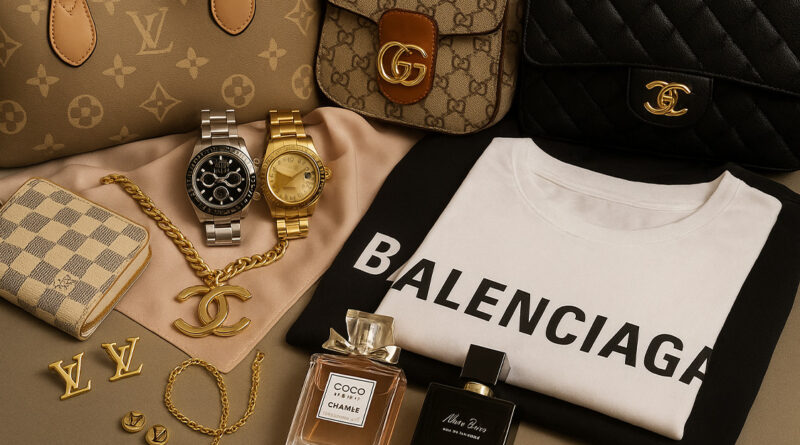
According to the latest European data, the Spanish textile sector alone loses nearly 1 billion euros per year from the sale of counterfeit clothing, resulting in the loss of over 11,200 jobs. Counterfeits of jewelry, watches, handbags, and luggage — key luxury segments — represent an annual loss of 327 million euros. At the community level, the textile, cosmetics, and toy sectors lose more than 16 billion euros annually and destroy approximately 160,000 jobs. Luxury is not exempt. In the European Union, the counterfeiting of high-end products generates estimated losses of 3.5 billion euros each year, with items circulating uncontrolled through digital platforms, marketplaces, and social media. This proliferation is partly due to the fact that up to 40% of luxury sales now occur online, and 30% of consumers admit to having purchased counterfeit products by mistake.
E-commerce platforms have opened a fast distribution channel for counterfeit products, leveraging tax and logistical advantages, especially in cross-border channels. The traceability of items is diluted, and controls, in many cases, are insufficient. In this context, police operations to curb illegal trade have multiplied. From the large-scale European operation led by Europol and OLAF in December 2024 — with the seizure of 2,000 tons of fake products — to recent actions such as in Elche in May 2025, where over 1,000 counterfeit luxury items (handbags and wallets) were seized, or in La Rioja in June, where nearly 2,000 counterfeit sports products with an estimated value of 35,000 euros were destroyed.
Faced with this growing threat, luxury brands are deploying multifaceted strategies to protect their legacy. From reclaiming their artisanal heritage and deepening the emotional connection with consumers to activating cutting-edge technologies, the industry is reacting.
In this framework, companies like SICPA, an international provider of authentication, traceability, and security solutions, have strengthened their presence in the luxury sector.