Editor’s Note
This article explores how shifting consumer values—particularly around sustainability, ethics, and affordability—are reshaping the jewelry and watchmaking industry, adding new dimensions to its traditional roles.
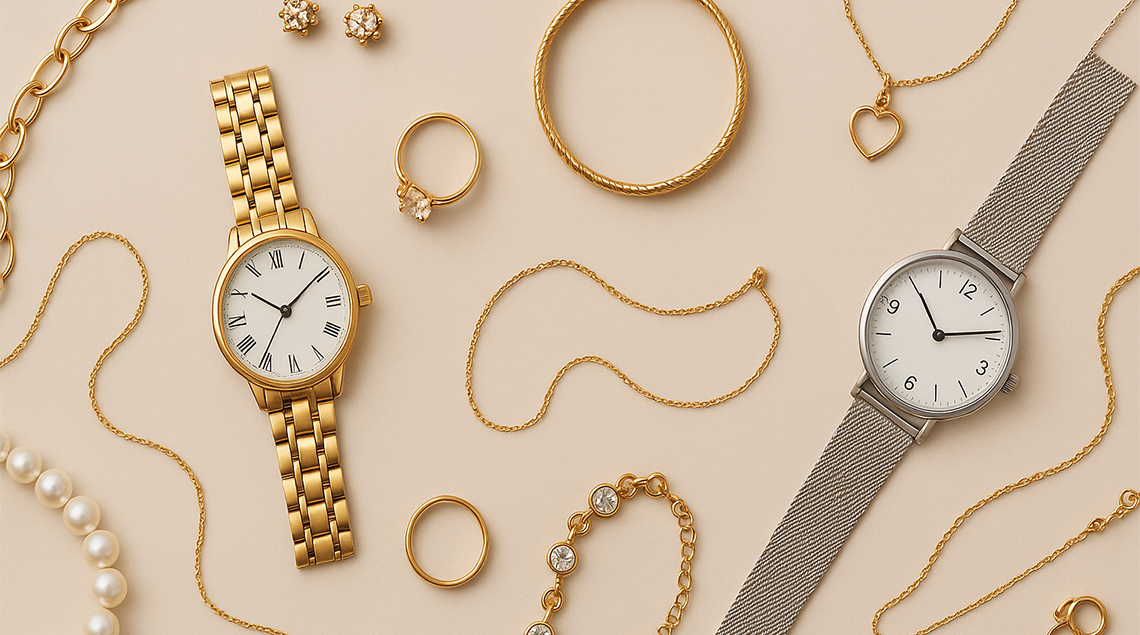
With the arrival of new generations of consumers and the adoption of new values by society, consumption patterns associated with certain products are changing. The jewelry and watchmaking sector is not immune to this evolution. To its timeless character as an expression of luxury, beauty, status, or personal identity, other factors such as sustainability, ethical sourcing, and affordability are now being added, redefining its role. This transformation is, in turn, driven by technology and the digitalization of the sector.
In its ‘Report on the Spanish Jewelry and Watchmaking Sector’, published in November 2024, the Valencian Jewelry Association (Avajoya) analyzes the current situation of the jewelry and watchmaking market in Spain, which it describes as an industry of great relevance and tradition, notable for its capacity for adaptation and its contribution to the national economy.
According to another recent study titled ‘Distribution of Jewelry and Watchmaking’, published by the Informa DBK Sectoral Observatory (a subsidiary of Cesce), provisional data for the end of 2024 on retail sales of jewelry and watches in Spain point to new growth, estimated at 10.5% – following increases of 16.7% in 2022 and 8.6% in 2023 – reaching 2.1 billion euros. This reflects “notable dynamism in recent years thanks to the growth in demand and prices.” By product type, jewelry and costume jewelry items accounted for 55% of total sales, watch products for 40%, and other items, mainly silverware and accessories, for the remaining 5%.
Specialized chains, which concentrate most of the business, continue to increase their share of the total market. Their activity in 2023 already accounted for nearly 60%, with sales valued at 1.135 billion euros. Meanwhile, sales from independent retailers reached 370 million euros, accounting for 19.4% of the total, while for large stores and other channels, the share stood at 20.9%. The offering of specialized physical points of sale is complemented by a growing number of specialized online stores and sales through non-specialized large retailers.

The sales growth recorded in 2024 confirms, in the opinion of Anna Sió, Marketing & Communication Director of TOUS, the solidity and dynamism of the category, even in a globally challenging environment for luxury:
Brigitte Boehm, Global Chief Marketing & Commercial Officer of UNOde50, agrees with Sió, stating that the sector’s good performance shows consumers’ desire to express themselves individually through meaningful products:
And she adds:

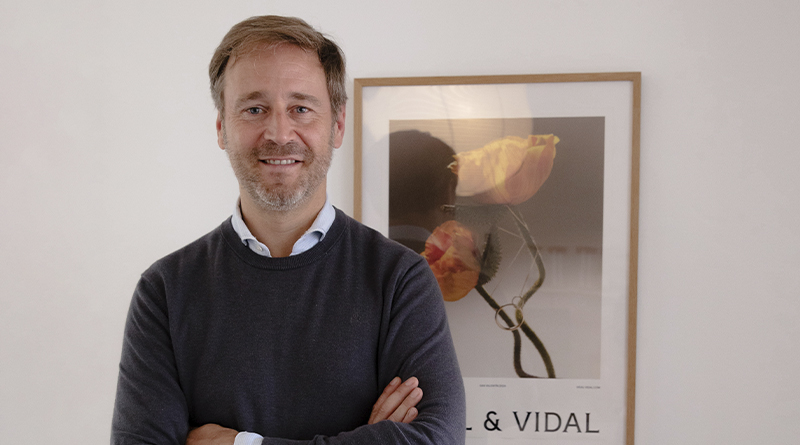
For Marc García, Marketing and Communication Manager of VIDAL & VIDAL, the sector’s growth reflects the “vibrant moment” it is experiencing, which can be attributed mainly to the post-pandemic recovery, increased tourism, and greater demand for products with emotional value:
The Spanish jewelry sector, according to the aforementioned Avajoya report, has “a solid foundation and great potential to overcome current challenges” to consolidate its position, both nationally and internationally.
Among these challenges are regulatory modernization, the promotion of specialized training, the promotion of international standards, and the push for digitalization.
In the opinion of TOUS’s Marketing & Communication Director, Anna Sió, the Spanish market is in a moment of dynamism and specialization: