Editor’s Note
The Strait of Hormuz remains a critical artery for global energy security, with projected 2025 flows of 18.5 million barrels of oil per day—roughly 18% of the global total—plus an additional 3 million barrels per day equivalent in LNG and refined products. Any disruption to this narrow waterway would have immediate and profound consequences for the world economy.
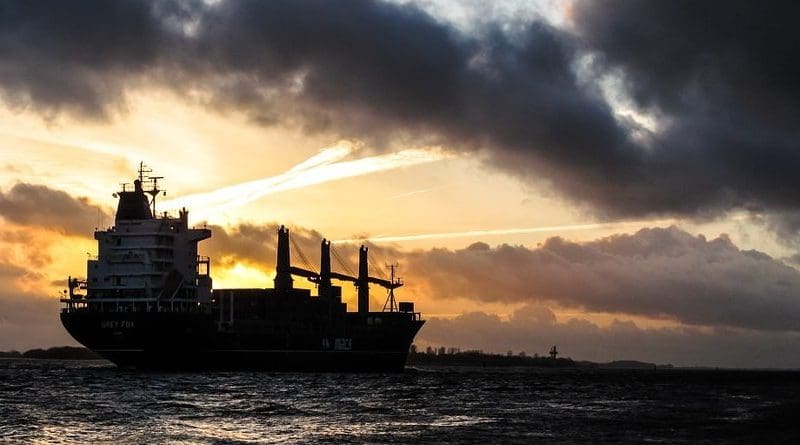
The Strait of Hormuz transports 18.5 million barrels per day (bpd) of oil and 3 million bpd of LNG and refined products through this waterway in 2025.
– The Strait handles about 18 percent of global oil flows at 18.5 million bpd during Q1 2025.
– LNG and Refined Products: An additional 3 million bpd equivalent of LNG and refined fuels.
The narrow 21-mile-wide channel runs between Iran in the north and Oman in the south, while Iranian Revolutionary Guard forces patrol it, which demonstrates its exposed nature.
The closure would cut off all export pathways for Saudi Arabia and UAE, and Kuwait, as well as major LNG exporter Qatar.
Global crude consumption in 2025 reached 101 million bpd, while the Strait of Hormuz carried 18.5 million bpd of oil, which equated to 18.3 percent of the total world oil flow. The Hormuz waterway carried 77 billion cubic meters of LNG from Qatar, which represented 30 percent of worldwide exports. The IEA member nations hold approximately 1.5 billion barrels in their Strategic Petroleum Reserves, yet these reserves function solely as short-term supply protection. The existing East–West pipeline in Saudi Arabia and the Fujairah pipeline in the UAE provide a combined capacity of 6.8 million bpd, which remains well below the daily 20 million bpd that passes through the strait.
1. Acute Energy Supply Shock
Benchmark Brent crude prices would exceed US$150–$200 per barrel within weeks to levels not observed since the 1970s embargo, which would push inflation above 8 percent in multiple import-dependent economies.
The fuel-intensive manufacturing sector, together with the petrochemicals and fertilizers industries, would experience input cost increases that would decrease their output levels and workforce numbers.
2. Inflation and Economic Contraction
The global GDP would likely decrease by 4–6 percent in developed nations and more than 7 percent in emerging markets because of restricted financial markets and capital outflows.
3. Supply Chain Disruption
The longer distance from tanker routes when using the Cape of Good Hope route results in a total 6,000 nautical miles journey that extends voyage duration to 10–14 days and causes freight rates to increase by 40–60 percent.
Just-in-Time Vulnerabilities
The discontinuation of automotive and electronics production would start when component shortages occur because assembly lines must shut down, and such a one-week shutdown would reduce output by 12 percent.
Middle Eastern countries that depend on European and Asian grain imports would experience two-week transit delays that would worsen their existing food shortages.
Saudi Arabia, together with Kuwait, faces the potential loss of US$100–130 billion in monthly oil exports, which would account for more than 80 percent of their total budget revenue.
The leaders of the GCC would issue public statements denouncing Tehran’s actions while they would pursue UNCLOS invocation and UN Security Council resolutions for strait reestablishment.
Security Posture:
– Joint naval patrols with the U.S. Fifth Fleet in Bahrain and European partners, alongside expedited deliveries of U.S. Aegis destroyers and submarines.
– Alternative export nodes (Fujairah, Yanbu) have their alert levels elevated to prevent Iranian retaliation.
– Pipeline Bypass: The Combined 6.8 million bpd capacity covers less than 40 percent of Hormuz flows.
– At the Fujairah storage complex, with a storage capacity of 20 million barrels, exports would only last three weeks, but the complex itself is vulnerable to aerial or missile strikes.
Immediate Crisis Management