Editor’s Note
This article highlights the ongoing challenges facing Surat’s diamond industry, where even the traditional Diwali sales boost has failed to materialize amid weak global demand.
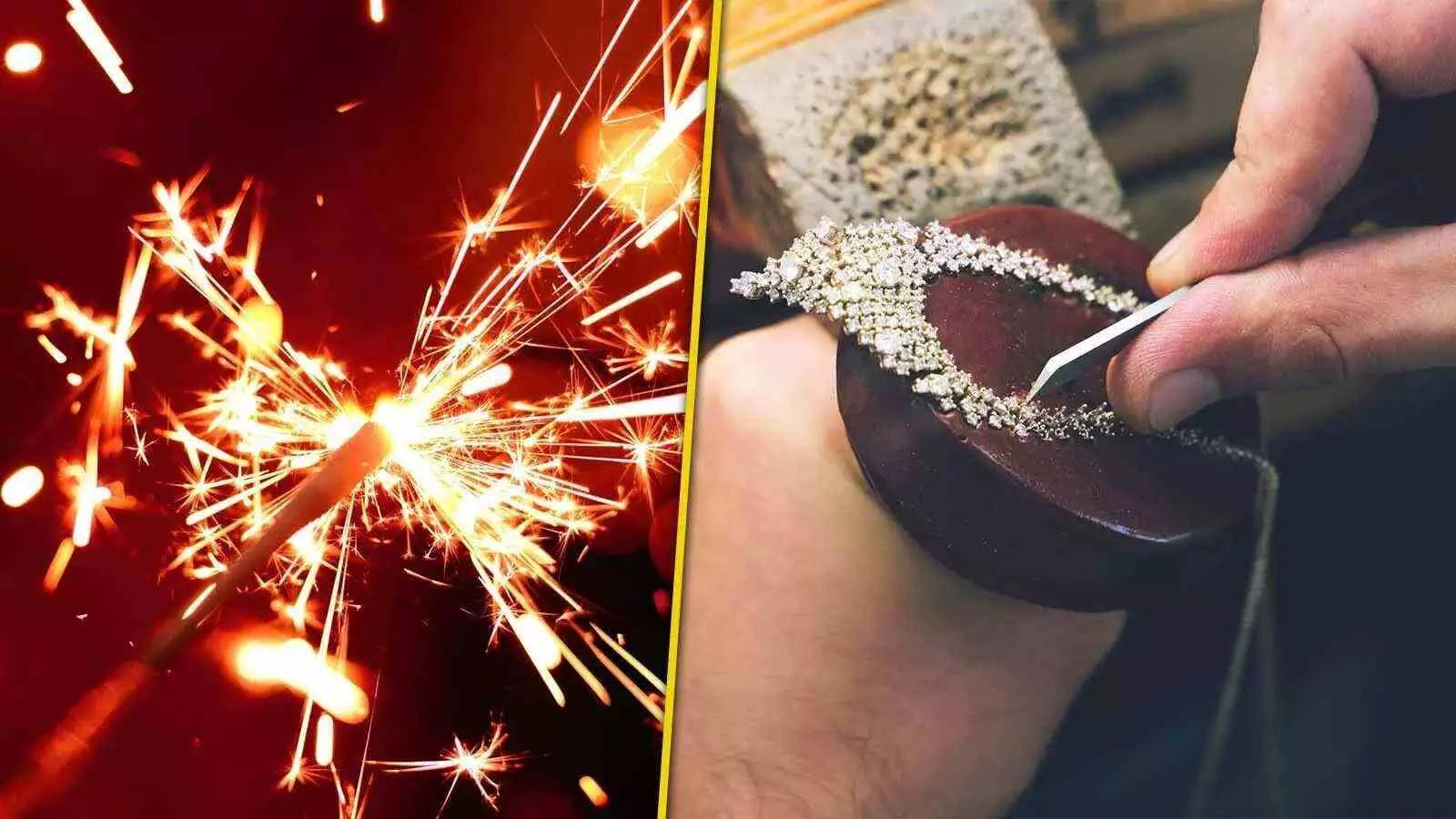
Diwali, the festival typically associated with a surge in purchases of precious stones and jewelry, has arrived. However, this festival of lights appears unable to dispel the gloom enveloping Surat’s famed diamond industry.
This region, which cuts and polishes 80% of the world’s rough diamonds, has not witnessed any significant increase in sales ahead of Diwali, one of India’s most prominent festivals this year.
Following a sharp decline in international demand after the imposition of heavy tariffs by the US, traders had pinned their hopes on low-priced lab-grown diamonds (LGDs) and a domestic market boom ahead of the festive season. However, these prospects also seem to be dimming, pushing the already distressed diamond industry into further difficulty.
Since the implementation of the high-tariff scheme by the Donald Trump administration in August, diamond traders have received less than 50% of the usual orders for cut and polished diamonds from the US, Surat’s largest market.
According to data released by the Surat Diamond Association (SDA), exports of cut and polished diamonds worth ₹13.58 billion were recorded between 2022-23, which fell to ₹4.9 billion in 2024-25.
Khanani further explained that there are two processes for creating synthetic diamonds – Chemical Vapor Deposition (CVD) and High Pressure High Temperature (HPHT).
The machine used in the HPHT method is cheaper than the one used in the CVD method. The price of HPHT machines can range from ₹2.5 lakh to ₹70 lakh, depending on the quality of diamonds produced by the machine. However, synthetic diamonds grown in HPHT machines are more expensive than those produced in CVD machines.
He said that since the HPHT system is cheaper, most medium traders decided to adopt it for LGD production. However, this has provided no relief as sales so far are not even sufficient to cover the cost of the new infrastructure and training of workers, Khanani added.
At this time of the year, workers in Surat’s diamond industry would work day and night to meet the heavy demand for their products. The period between Diwali and Christmas, despite the extra work, used to be a time of joy for them, as it brought bonus wages, and managers received expensive gifts, sometimes even flats or cars.
This year, both workers and managers cannot shake off the grim thought of whether they will even have work.
Since the imposition of tariffs by the US administration in August, over one lakh jobs have been lost in Surat’s diamond sector.