Editor’s Note
This article is based on an investigation into the gold supply chain, revealing that the world’s largest refiner, Valcambi, sourced significant quantities of gold from a UAE-based trader linked to potential conflict gold from Sudan. The findings highlight ongoing due diligence challenges in the precious metals industry.
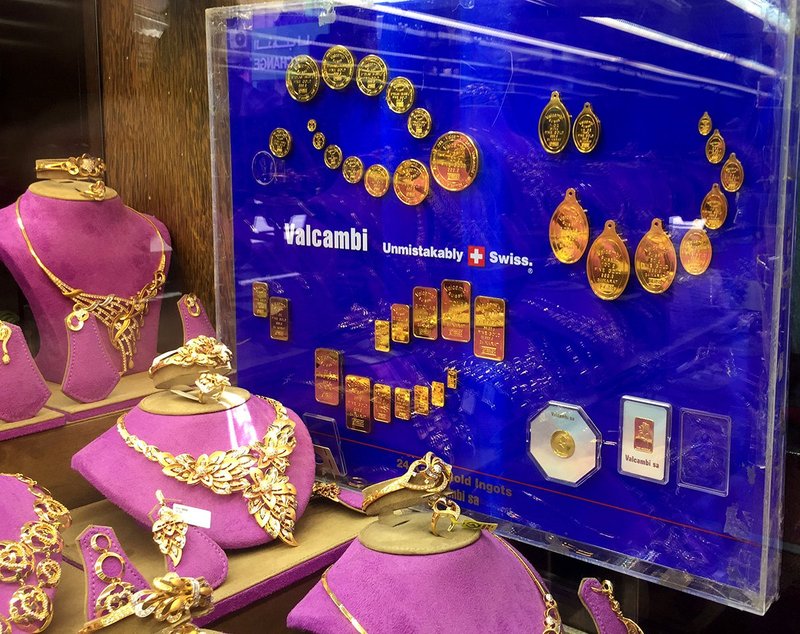
Our latest investigation reveals that Valcambi, the world’s largest gold refiner based in Switzerland, has sourced over 20 tonnes of gold from the UAE-based refiner and gold trader Kaloti. The company likely purchased conflict gold from Sudan in 2012 and has likely continued sourcing in subsequent years.
In 2012, Kaloti may have sourced at least 20 tonnes of gold from armed groups in Darfur, Sudan, a region long plagued by conflict and genocide. Furthermore, Kaloti continued sourcing gold potentially linked to conflict from the Sudanese Central Bank between 2013 and 2019. Despite this, Valcambi appears to have turned a blind eye to the clear signs that Kaloti’s gold may be conflict-linked.
We demonstrate here how industry bodies, some of the world’s largest accounting firms, and authorities in Switzerland and Dubai have facilitated or overlooked non-compliance in the sourcing practices of these two companies. The business dealings between Kaloti and Valcambi illustrate the systemic lack of governance in the global gold trade market.
Despite Kaloti’s widely known unethical business practices, its gold has been able to enter international supply chains that are supposedly reputable. According to our research, products containing Kaloti gold may have been purchased by major global brands, including Amazon, Starbucks, Sony, Disney, and HP.
We found that in 2012 alone, Kaloti sourced over 57 tonnes of Sudanese gold. According to UN estimates, at least 30% of the 65 tonnes of gold Sudan exported to the UAE that year was linked to Darfur militias who had just begun gold mining operations.
Since then, Kaloti has continued sourcing gold from the Sudanese Central Bank. At various points between 2012 and 2019, the Central Bank sourced gold linked to armed groups involved in battles for control of Darfur’s mines. This included purchases from a company linked to the Rapid Support Forces (RSF), currently Sudan’s most powerful paramilitary group, which has been reported to have participated in the massacre of over 100 pro-democracy protesters in Khartoum in 2019. In the same year, the Central Bank appeared to source gold from a mine controlled by another armed group, the Sudan Liberation Army/Abdul Wahid faction, which has been implicated in murder, kidnapping, torture, extortion, and forced labor.
Despite Kaloti sourcing gold from the high-risk, conflict-linked supplier, the Sudanese Central Bank, Valcambi sourced approximately 20 tonnes of gold directly from Kaloti in 2018 and 2019. During the same period, Valcambi also sourced 60 tonnes of gold from a UK-registered company named Trust One Financial Services Ltd, one of whose directors is the son of Munir Kaloti, founder of the Kaloti Group.
Although Valcambi considers itself an industry pioneer in responsible sourcing and claims its practices exceed the internationally recognized OECD due diligence standards, its failure to scrutinize Kaloti’s irresponsible sourcing practices and its continued sourcing from the problematic refiner run counter to these standards.
Our findings cast serious doubt on the credibility of the London Bullion Market Association (LBMA), the gold sector’s premier certification body. Valcambi remains on its Good Delivery List. In theory, all companies on this list must conduct rigorous supply chain due diligence, yet Valcambi appears to have failed to do so regarding Kaloti. The flaws in the LBMA’s responsible sourcing standards and the association’s apparent lack of oversight of Valcambi contributed to the company’s due diligence failure regarding Kaloti. Valcambi’s auditor, KPMG, also appears to have turned a blind eye to Valcambi’s sourcing from high-risk suppliers.
Valcambi’s audit failures are reminiscent of the scandal exposed by Global Witness’s 2014 “City of Gold” report, where auditor EY and the Dubai Multi Commodities Centre (DMCC) – in violation of the Dubai Good Delivery Standard – colluded with Kaloti to cover up its gold smuggling activities. Our latest report shows that Grant Thornton, which succeeded EY, also helped Kaloti downplay its due diligence failures.
The governments of the jurisdictions where these refiners are based are also part of the problem. They appear to rely entirely on the industry’s inadequate self-regulation and have not taken responsibility for stopping gold trade that fuels conflict and human rights abuses. The UAE is a notoriously high-risk hub for gold trading where enforcement of due diligence requirements is extremely poor, while Switzerland lacks meaningful responsible sourcing legislation. These regulatory weaknesses mean conflict gold still has a pathway into reputable markets.
To address systemic issues in the gold industry and sever its links to conflict and human rights abuses, Global Witness calls for:
Authorities in the UAE and Switzerland to adopt and implement robust legislation on supply chain due diligence.
Certification bodies like DMCC and LBMA to ensure refiners properly comply with their due diligence standards, conduct audits meaningfully, and impose appropriate sanctions on refiners that violate their standards.
Valcambi and other refiners to ensure, in line with the OECD Guidance, that they have effective due diligence systems in place, neither sourcing conflict gold nor sourcing from companies that may accept it.